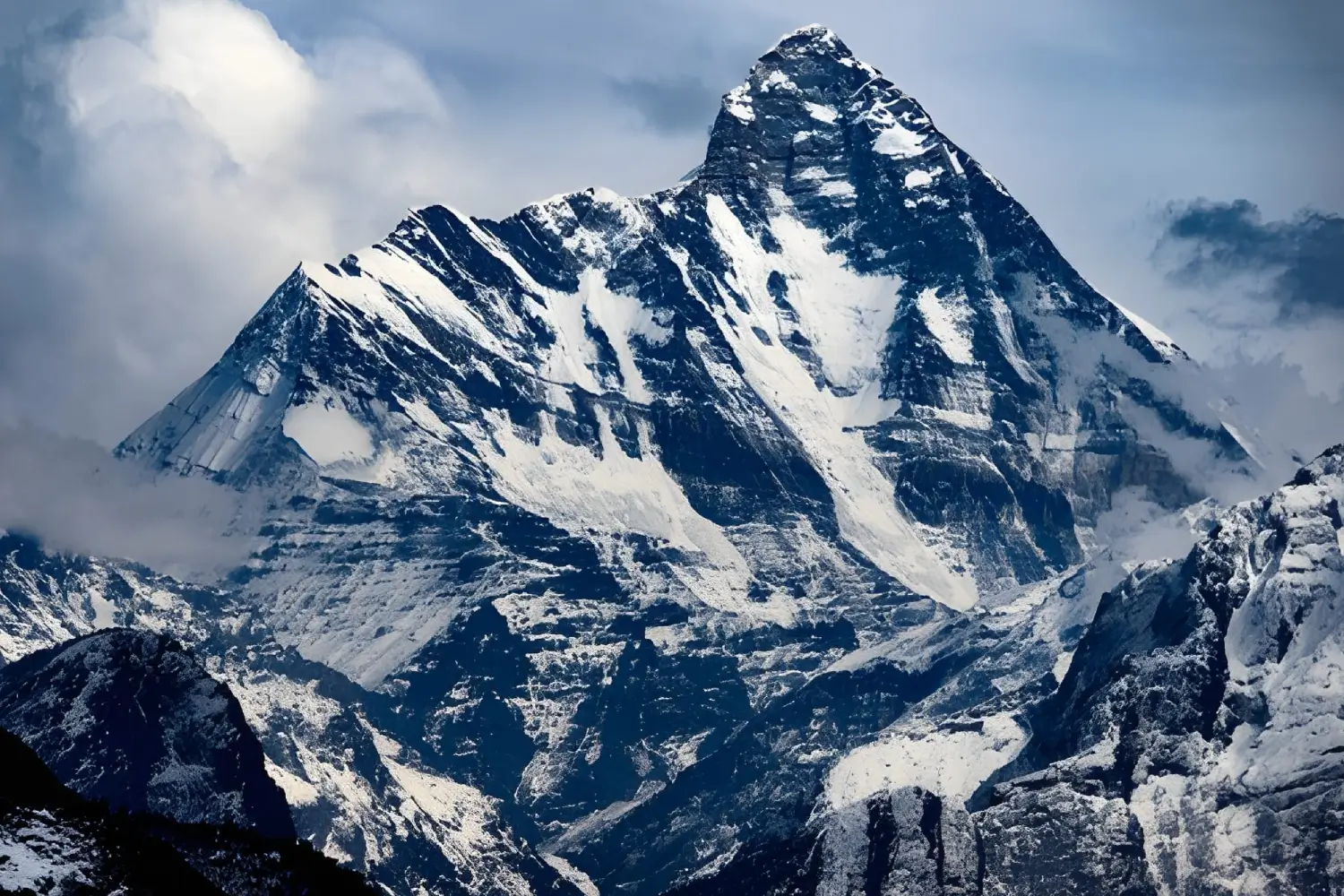
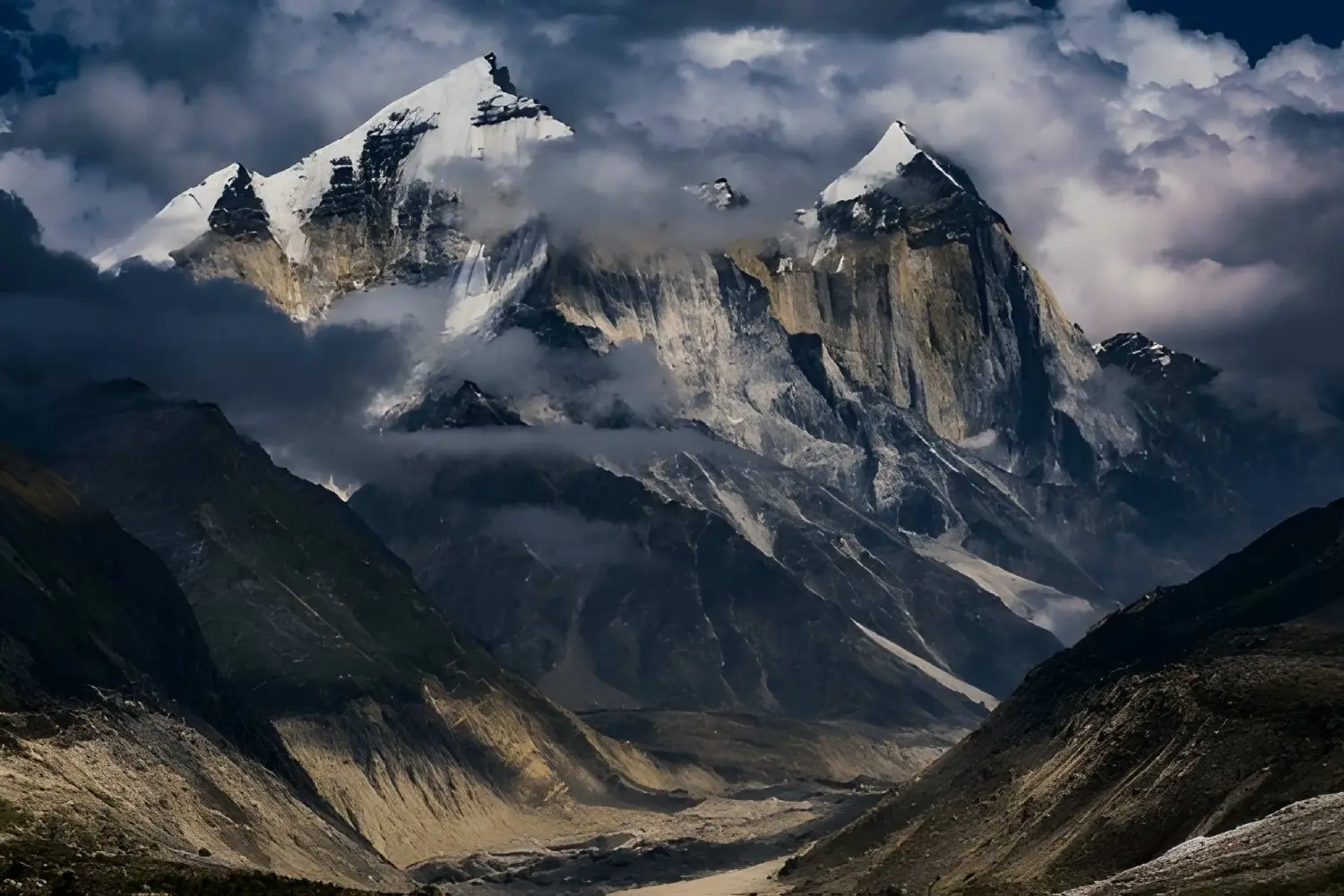
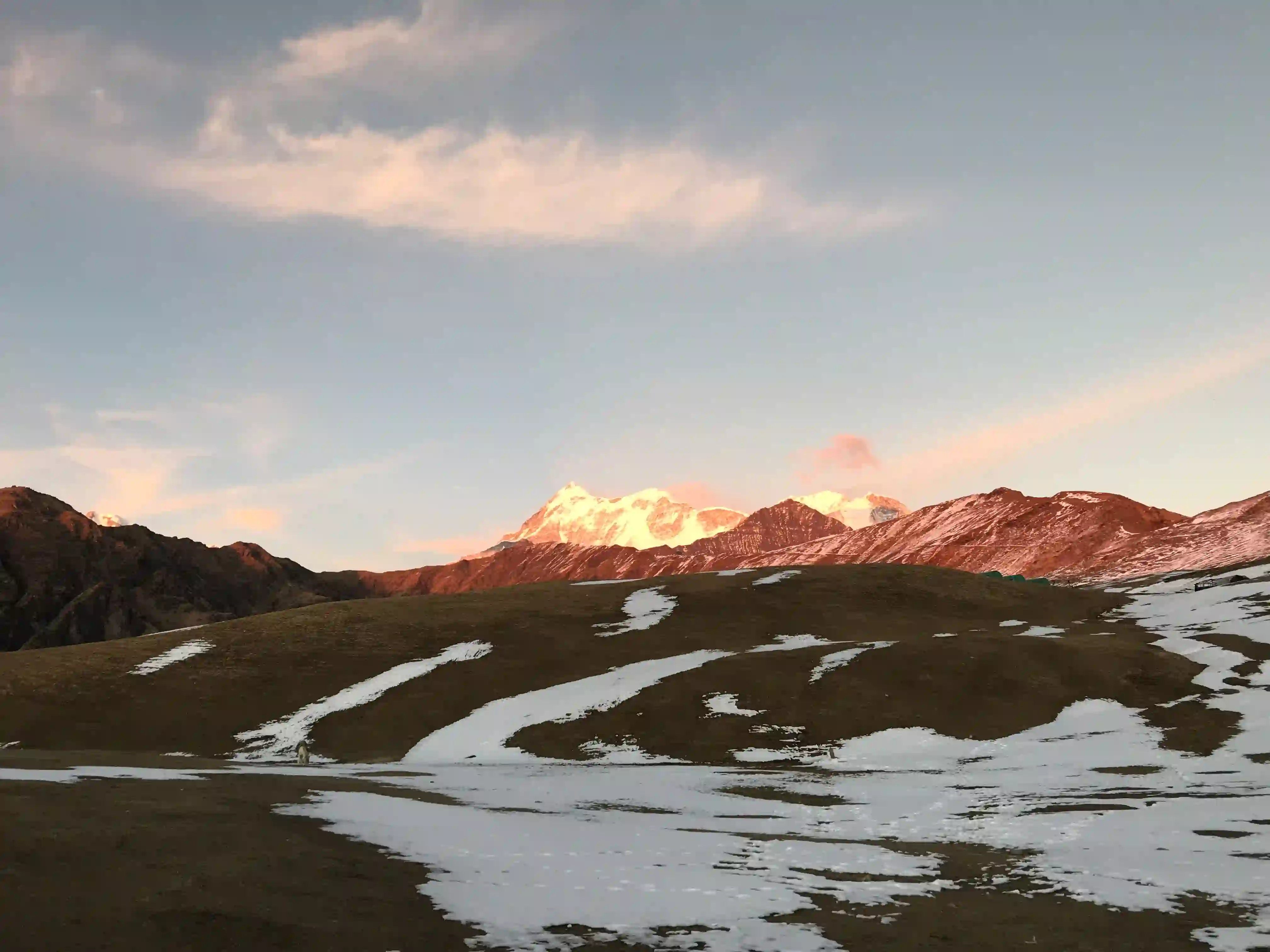
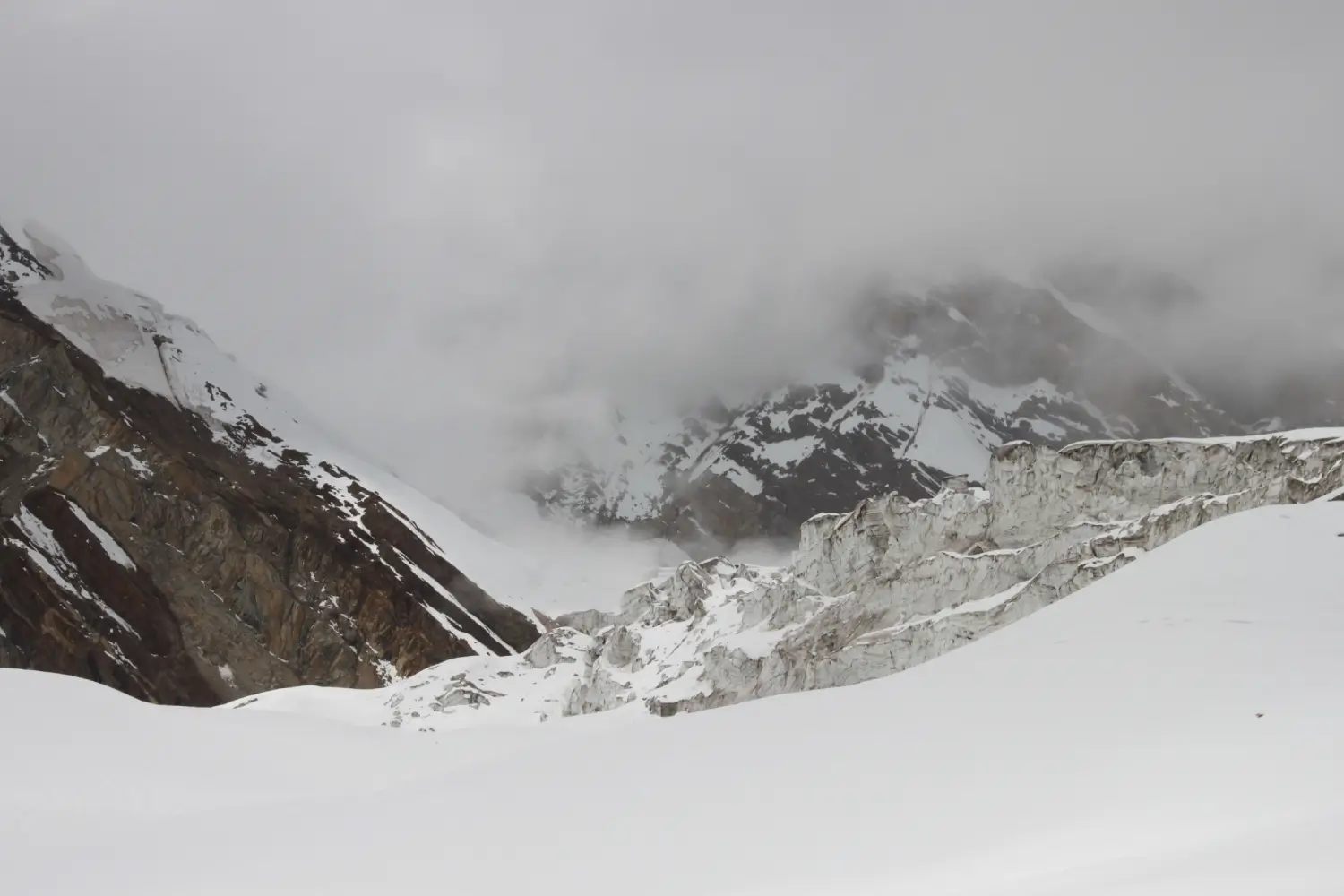
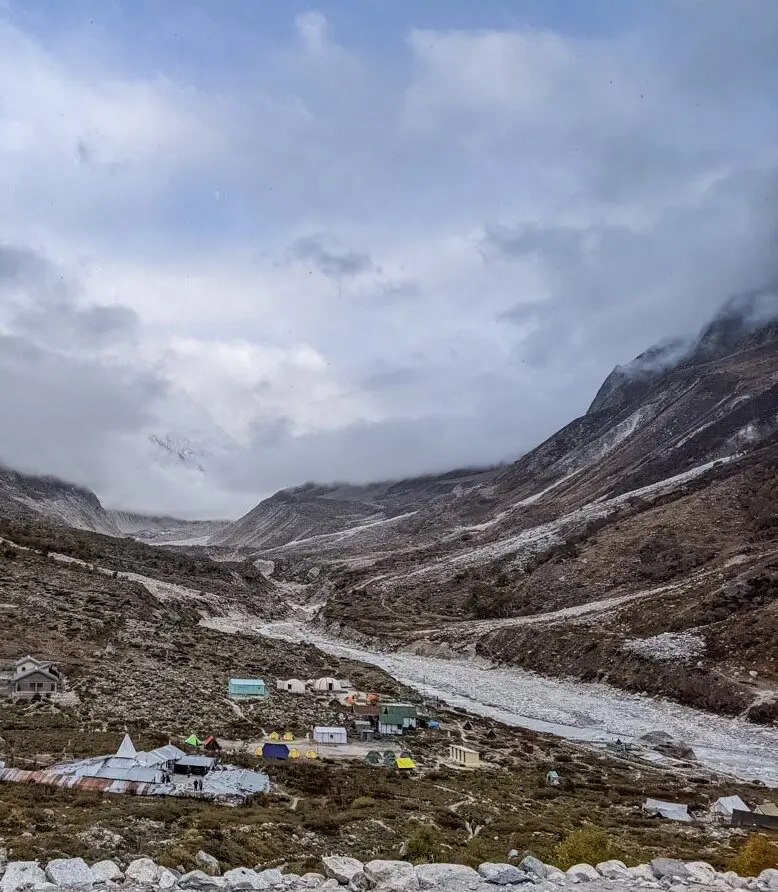
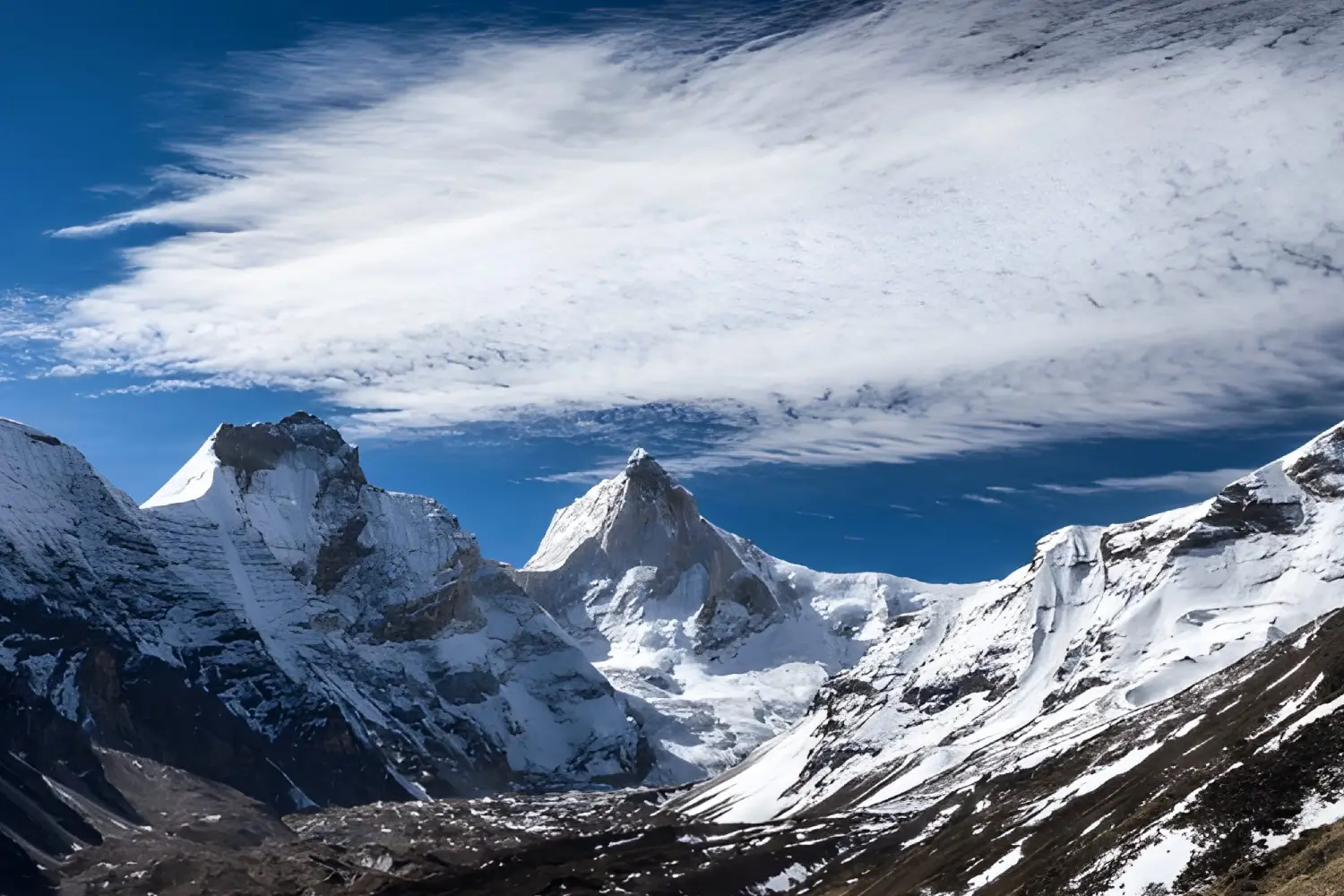
Media Gallery
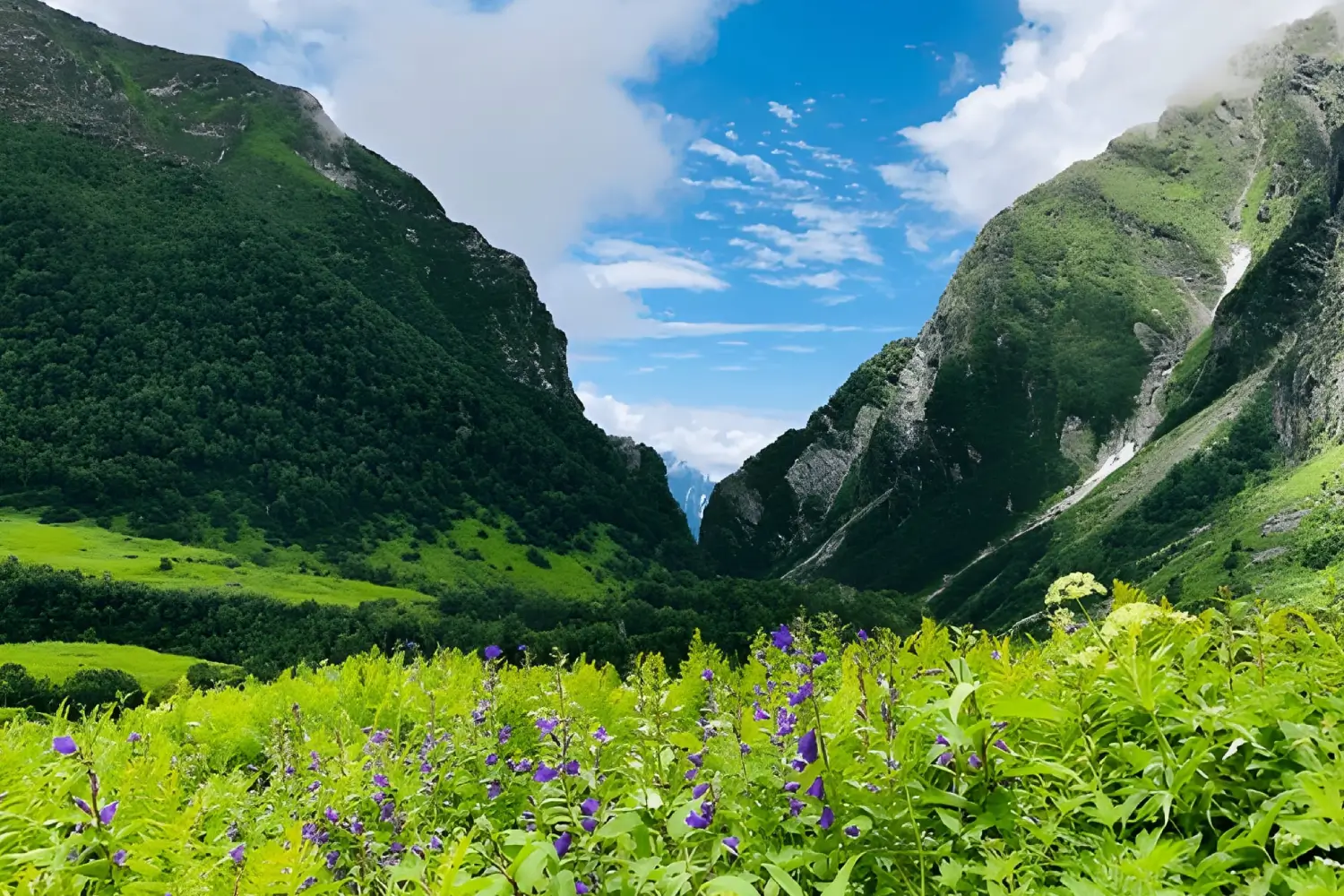
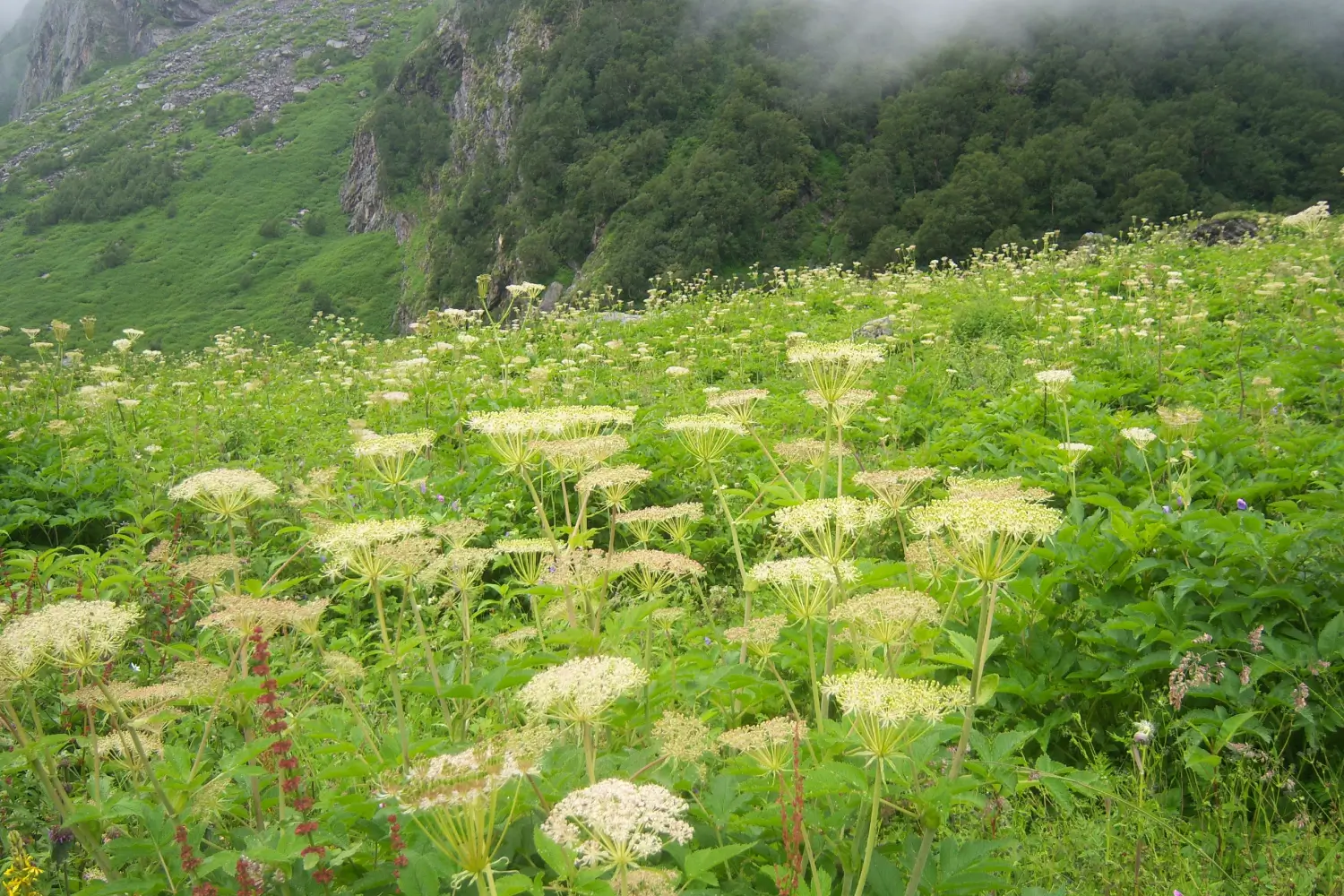
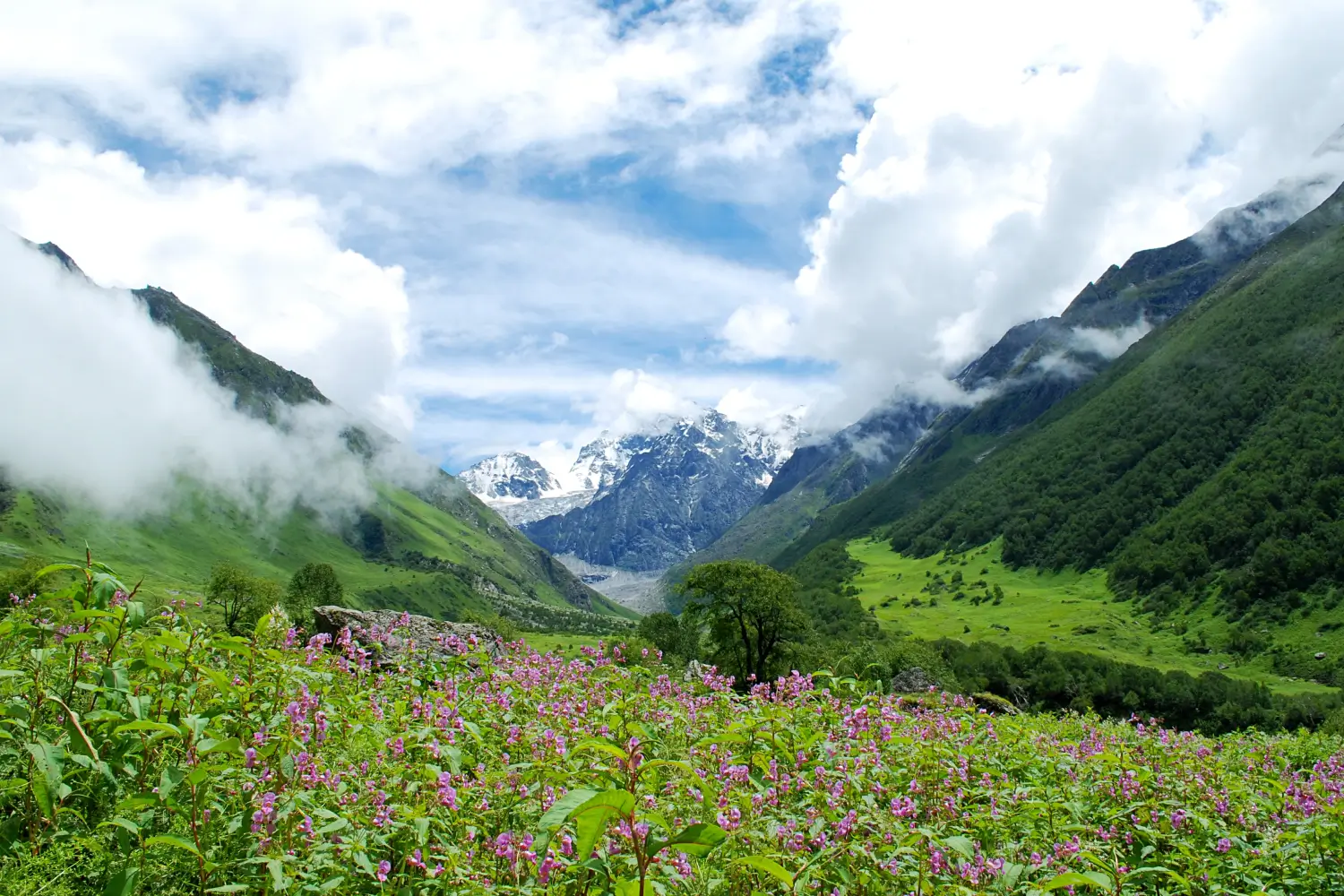
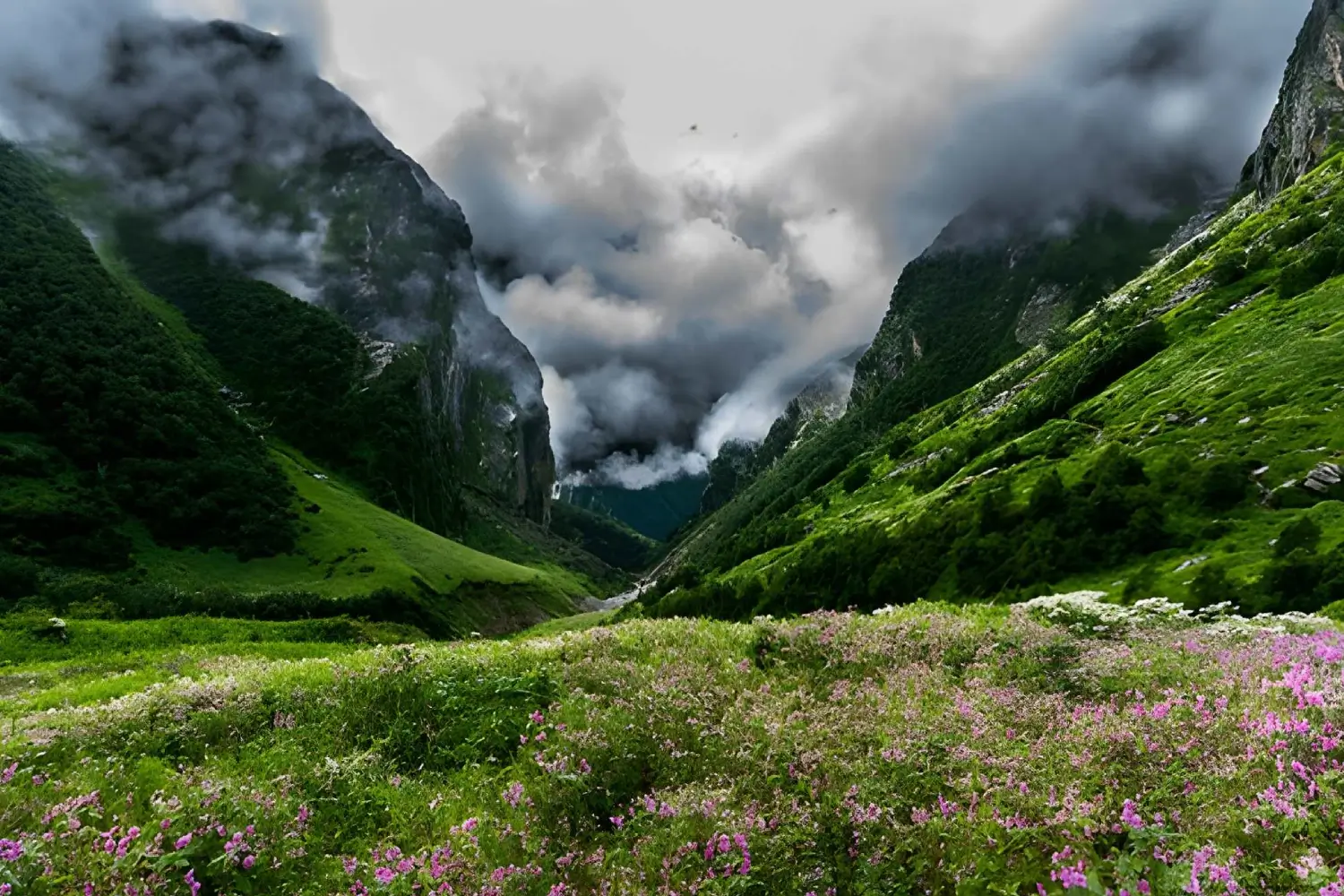
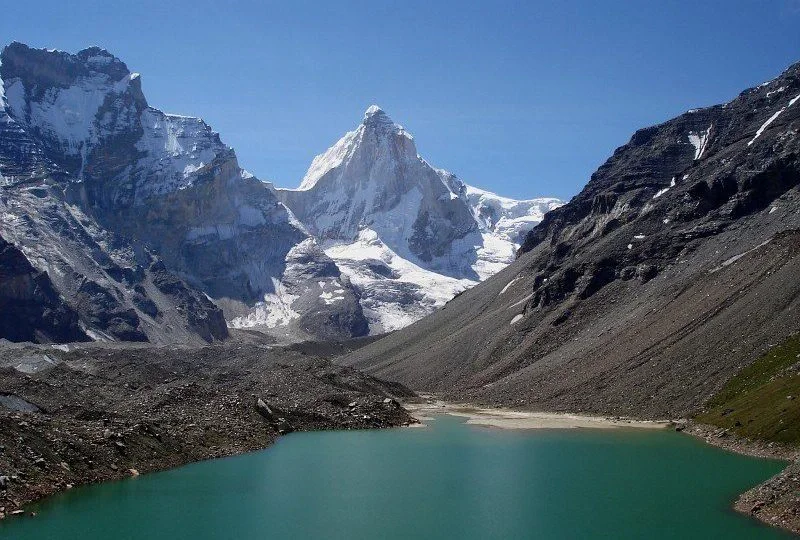
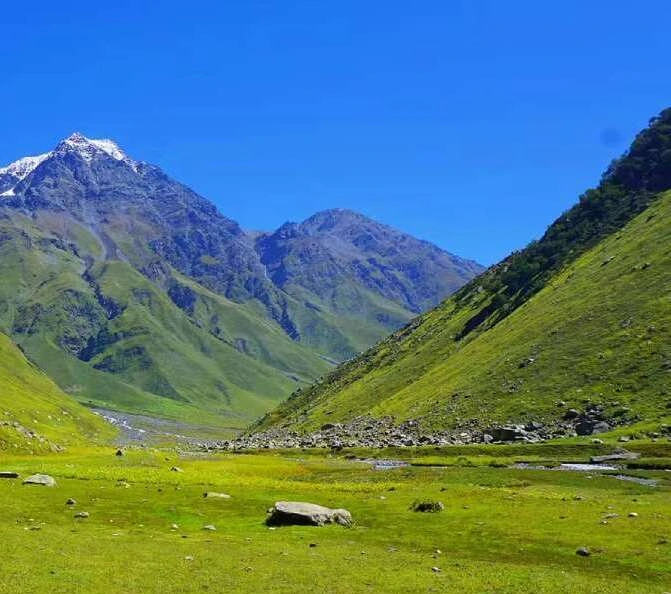
The Valley of Flowers is a breathtaking alpine meadow located at an altitude of about 11,000 feet in the Garhwal Himalayas. It lies in the valley of the Pushpavati River, a tributary of the Alaknanda. The valley was discovered by Frank Smythe in 1931 during his return from a successful expedition to Mt. Kamet.
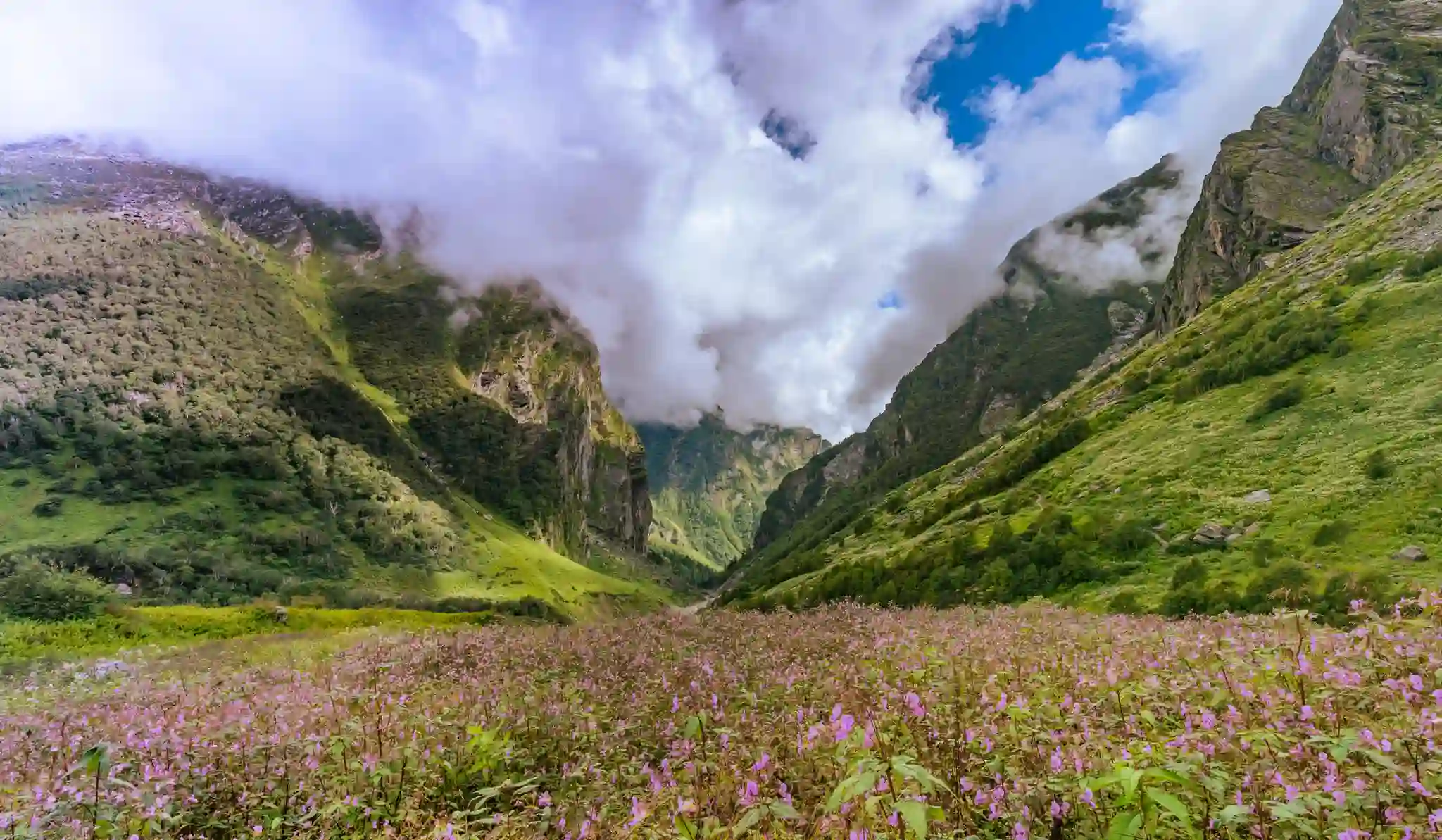
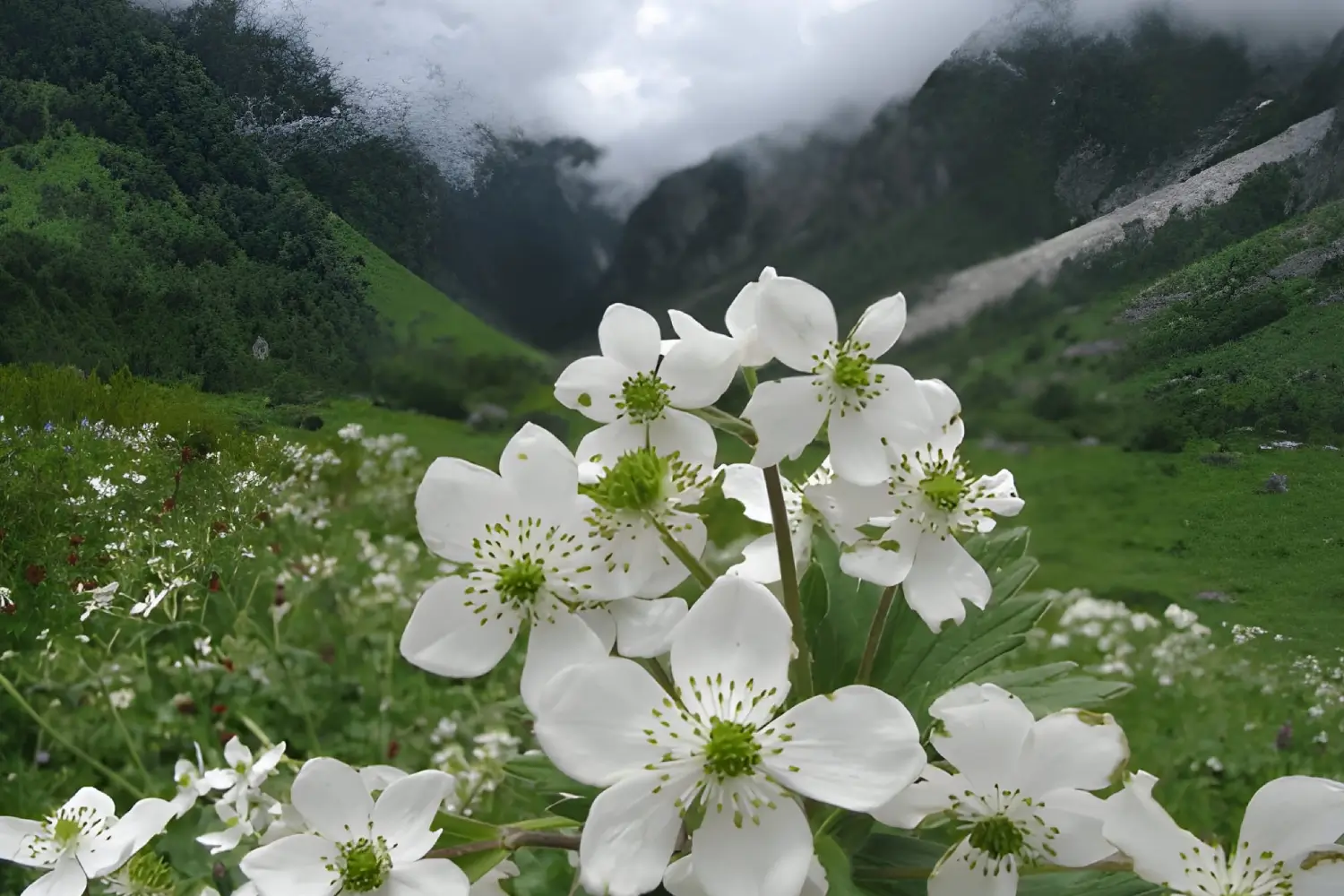
This enchanting valley is home to a stunning variety of flora — ferns, dwarf iris, larkspur, rhododendrons, primulas, blue poppies, fritillaria, asters, potentillas, inula grandiflora, and hundreds of other wildflower species.
During August and September, the valley bursts into a riot of colors — with over a thousand varieties of flowers, shrubs, orchids, and plants painting the landscape in vibrant hues. Surrounded by the snow-clad peaks of the Himalayas, the valley is a paradise for nature lovers, botanists, and trekkers alike.
According to Hindu mythology, this sacred valley is believed to be the place from where Lord Hanuman collected the “Sanjeevani” herb to revive Lakshmana during the Ramayana era.
In 1939, Miss Margaret Legge, a botanist from the Edinburgh Botanical Gardens, visited the valley for research but tragically lost her life after a fall. Her sister later erected a memorial at the site, which still stands as a poignant reminder of her passion and dedication.
Board the AC train from New Delhi Railway Station at 06:55 hrs and head towards Haridwar. On arrival, our representative will escort you to Rishikesh, where you'll check into your hotel. In the evening, explore the spiritual town — visit Laxman Jhula, Swarg Ashram, Parmarth Niketan, and enjoy the serene Ganga views. Overnight stay at the hotel.
After an early breakfast, embark on a scenic drive to Joshimath, passing through the holy town of Devprayag, where the rivers Bhagirathi and Alaknanda converge to form the Ganges. Arrive in Joshimath by evening and check into the hotel. Dinner and overnight stay.
About Joshimath: Established by Adi Shankaracharya as Jyotirmath, Joshimath is an important religious hub. Explore temples like Nav Durga and Narsingh, while enjoying the panoramic Himalayan landscapes.
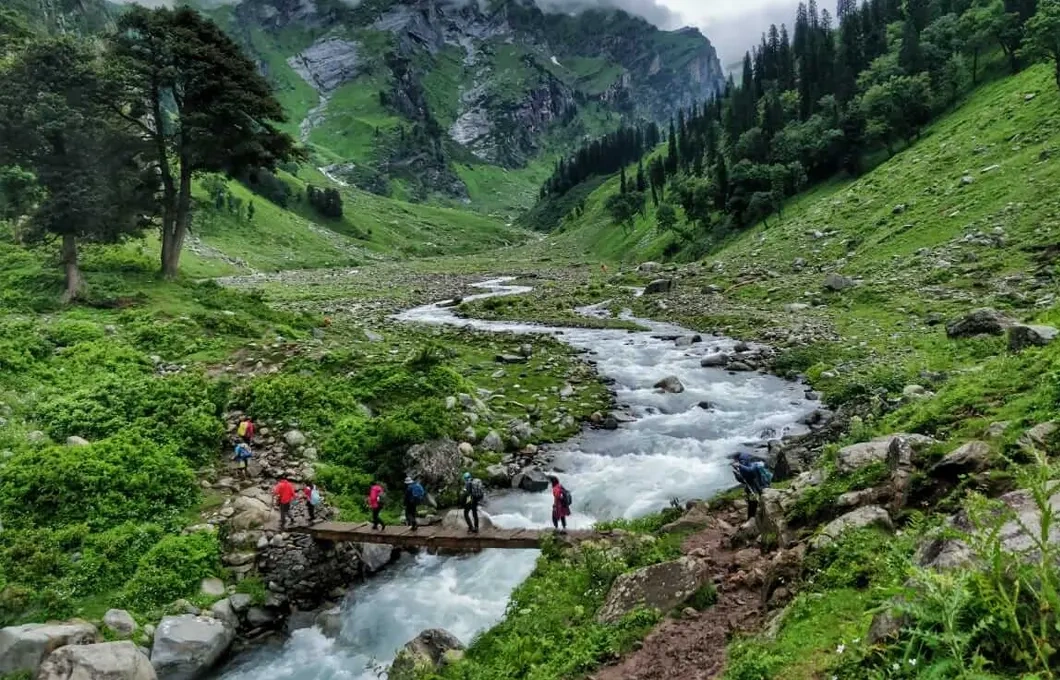
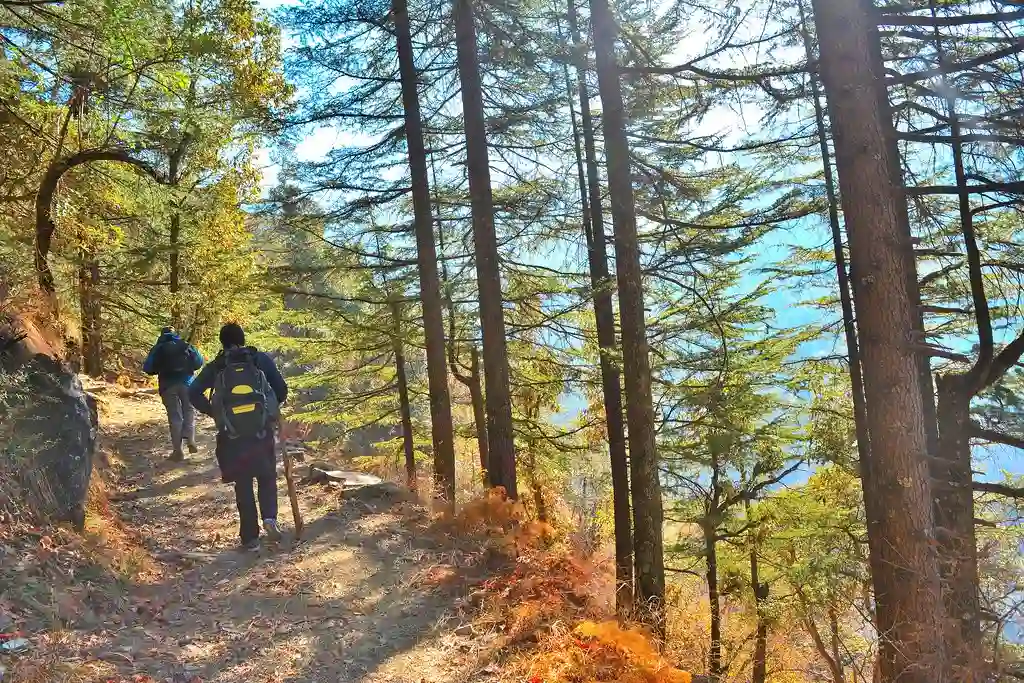
After breakfast, drive to Govindghat, the starting point of the trek. Begin a gradual ascent along a well-marked pilgrim trail to Ghangaria. Check into your hotel on arrival and spend the evening exploring the surroundings. Dinner and overnight stay at the hotel.
After breakfast, trek to the breathtaking Valley of Flowers (3,858 m). This enchanting valley boasts a vibrant variety of wildflowers such as Geranium, Marsh Marigold, Primula, Potentilla, Geum, Asters, Lilium, Ranunculus, Corydalis, Brahma Kamal, and many more — many of which have medicinal properties.
The valley stretches about 10 km in length and 2 km in width, divided by the Pushpawati stream, with waterfalls and smaller streams enhancing its natural beauty. After exploring the valley, trek back to Ghangaria for dinner and overnight stay.
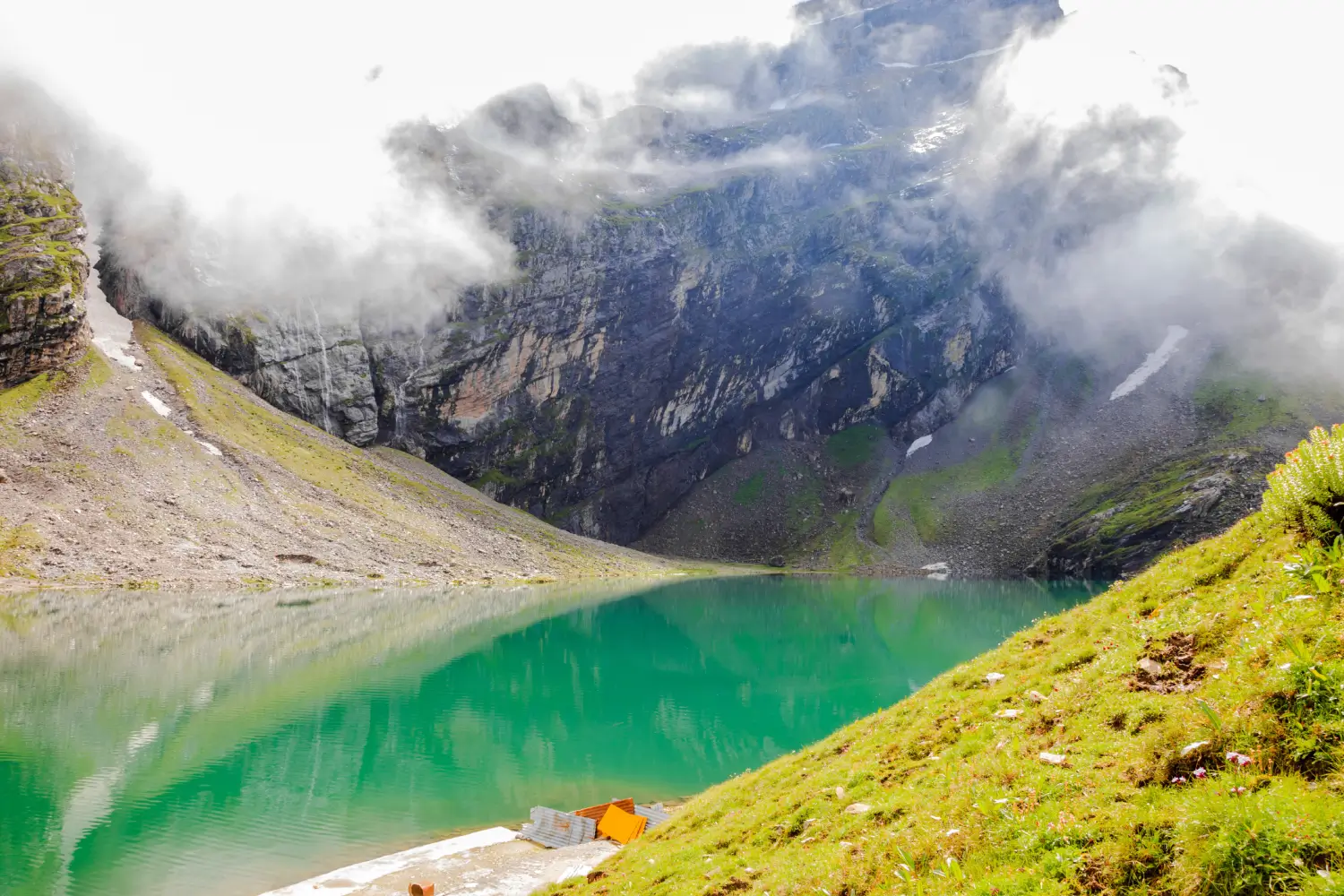
Start early with breakfast and trek to Hemkund Sahib (4,329 m), a revered Sikh pilgrimage site. The trek is steep but rewarding, with panoramic views and vibrant wildflowers along the way. Take a holy dip in the lake near the Gurudwara and visit the nearby Laxman Temple. Return to Ghangaria in the evening for dinner and overnight stay.
After breakfast, trek down to Govindghat and continue by road to Rudraprayag, passing through Joshimath, Chamoli, and Karnaprayag along the scenic river valleys. Check into your hotel on arrival, enjoy dinner, and stay overnight.
After breakfast, drive to Haridwar, revisiting Devprayag, the sacred confluence of Bhagirathi and Alaknanda rivers, where the holy Ganges begins. Enjoy lunch en route. Arrive at Haridwar railway station by late afternoon to board the AC train to Delhi at 18:10 hrs, arriving at 22:45 hrs.
Join TrekkingInIndia.com for an unforgettable Himalayan journey through stunning mountains, peaceful valleys, and rich local culture.
 moderate
13 Days
|Garhwal
The Ganges River and its source at Gomukh on the Gangotri Glacier, along with many surrounding peaks, hold immense significance in Hinduism.
Starting from USD 685 / Per person
 moderate
07 Days
|Garhwal
One of the most sacred high - altitude pilgrimages in the Garhwal Himalayan region, the Trek to Hemkund Sahib attracts thousands of Sikh devotees and nature lovers every year.
Starting from USD 585 / Per person
 moderate
10 Days
|Garhwal
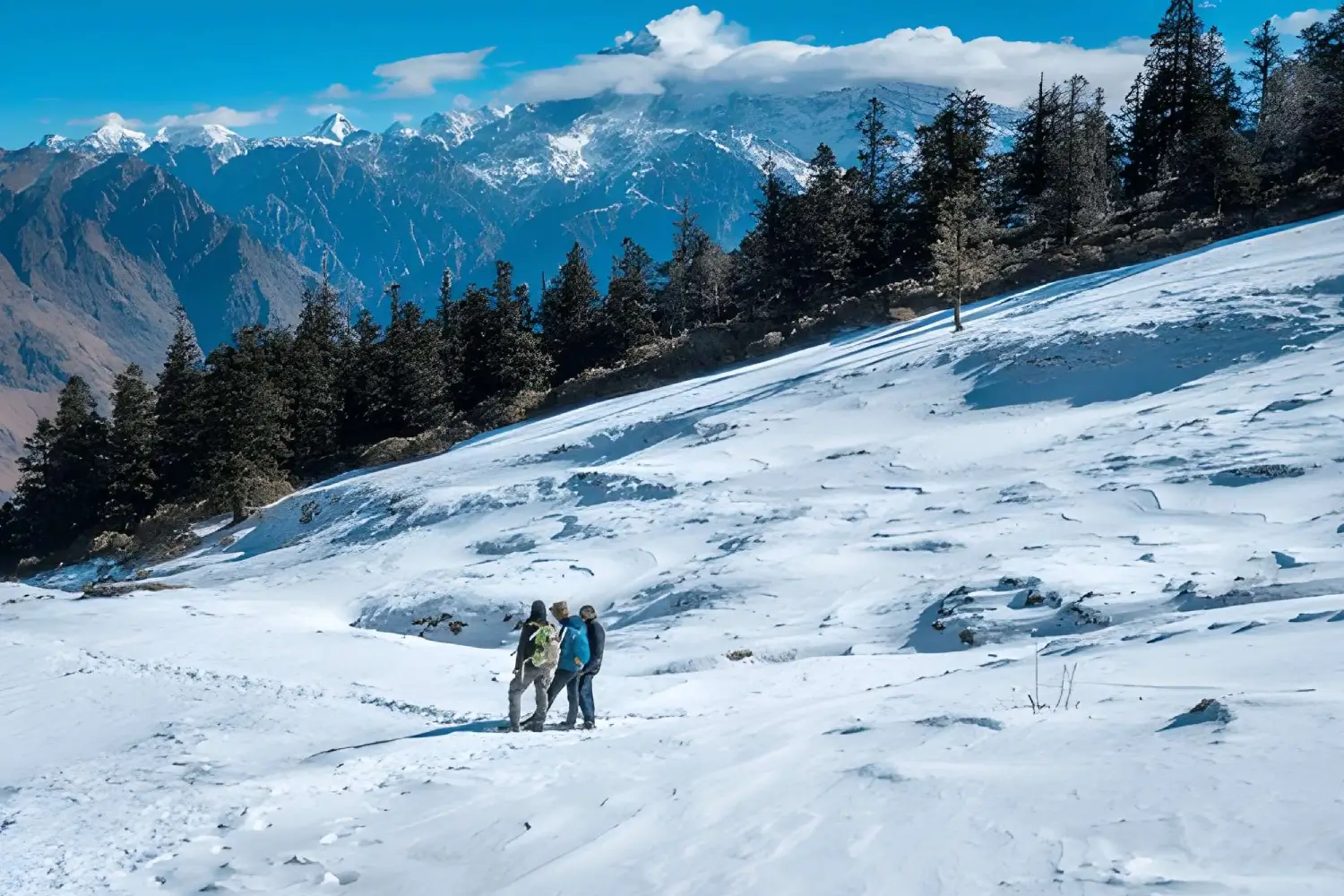
The Kuari Pass Trek, also known as the Lord Curzon Trail, is one of the most renowned treks in the Garhwal Himalayan region and is highly recommended for beginners.
Starting from USD 785 / Per person