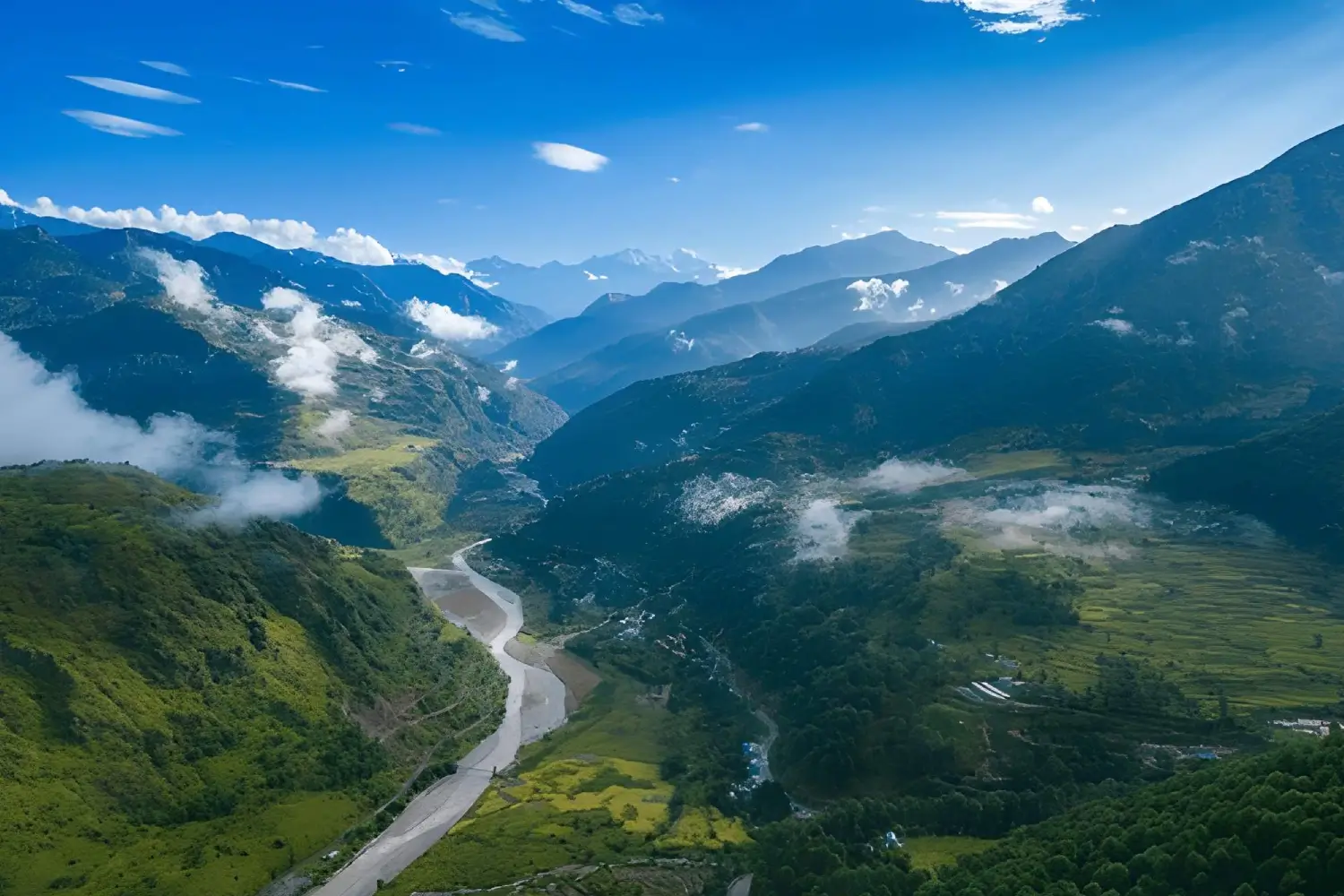
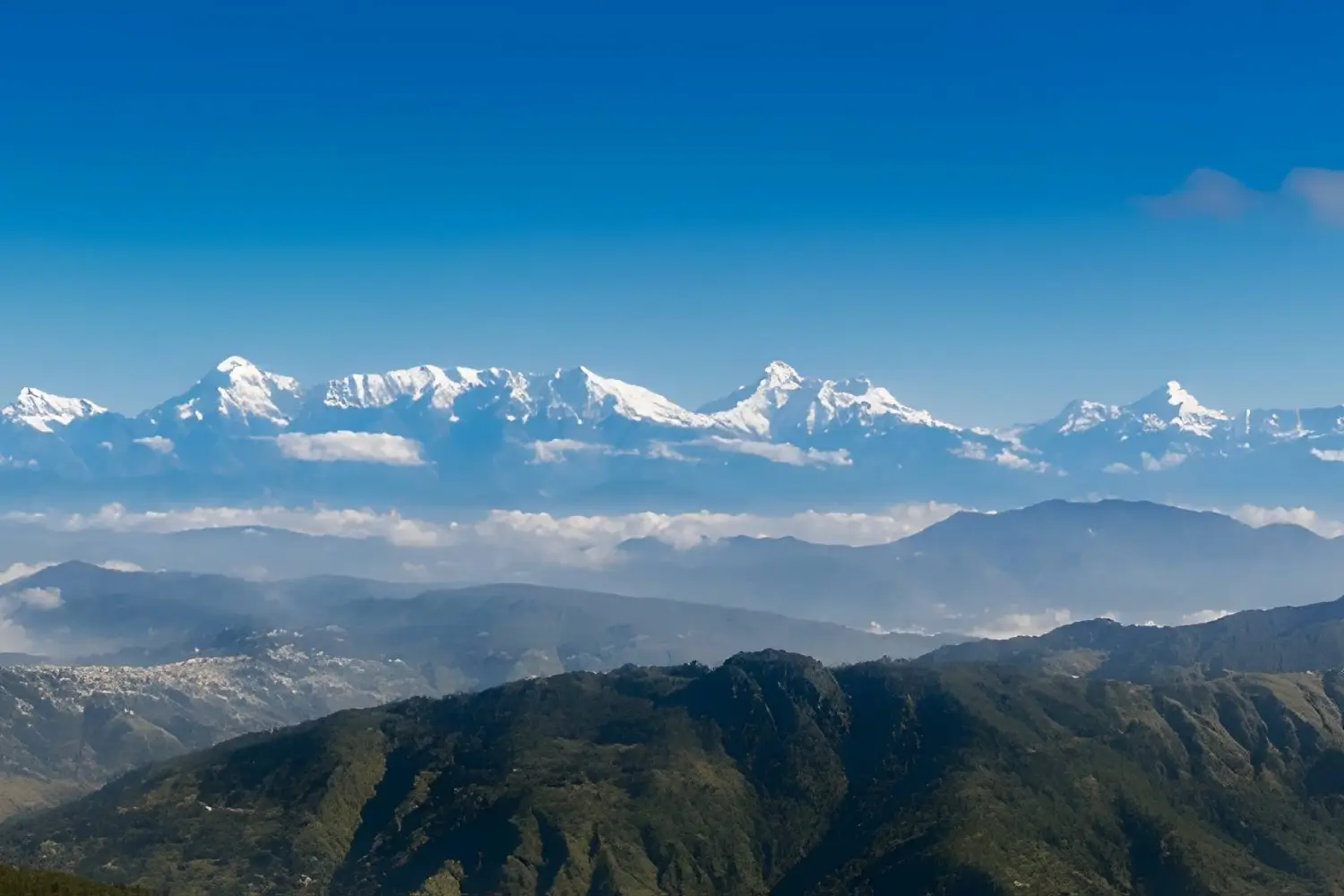
Discover the top peak climbing expeditions in the Uttarakhand Himalayas, offering thrilling adventures, challenging summits, and breathtaking alpine beauty for trekkers, climbers, and adventure seekers seeking unforgettable high-altitude experiences.
Pangarchulla Peak Climbing is one of the most exciting mountain adventures in Uttarakhand. The peak, standing at 4593 m/15,069 ft in the Garhwal Himalayas, is known for its steep ascent and stunning Himalayan views.
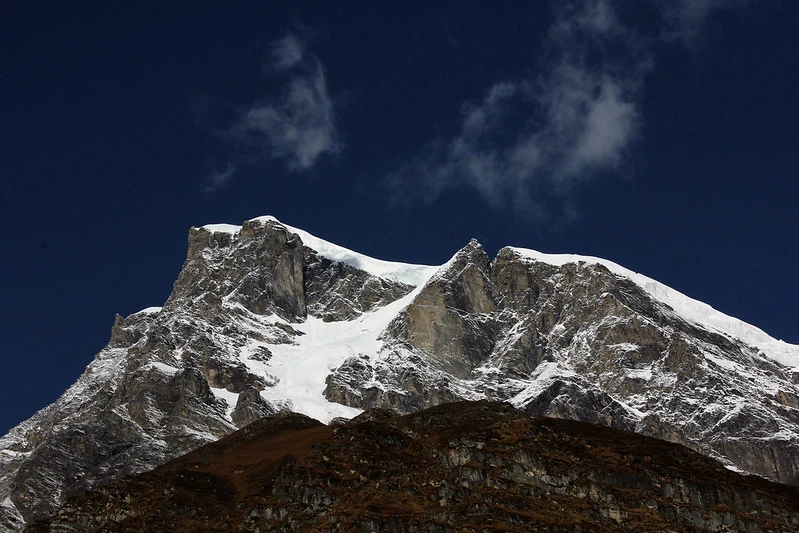
The Kedarnath Peak Climbing Expedition (6,940 m / 22,769 ft) is among Uttarakhand's most demanding adventures and a coveted goal for seasoned mountaineers.
Uttarakhand is home to some of India's highest and most challenging Himalayan peaks. The mountains here rise from 3,500 m to well above 7,000 m, offering ascents that range from introductory climbs ideal for beginners to highly technical expeditions requiring advanced ice and rock skills. Climbers face extreme altitude, shifting weather, and glacial terrain, making acclimatization and endurance critical. Yet, the reward is unmatched with panoramic views of the Garhwal and Kumaon ranges, with endless ridgelines, ice walls, and dramatic summits that define the true spirit of Himalayan mountaineering.
On a peak climbing expedition in Uttarakhand, climbers encounter a wide range of mountains, each with its own character and challenge. Trishul (7,120 m) is famous as one of the first seven - thousanders scaled by mountaineers in the Himalayas, demanding strong technical ability and acclimatization. Nanda Devi (7,816 m), the second-highest peak in India, is known for its sheer ice walls and restricted access, symbolizing both majesty and mystery. Shivling (6,543 m), often called the “Matterhorn of India,” poses a technical challenge with its steep granite faces, while Panchachuli (6,904 m) draws climbers with its five distinct snow-capped summits. These peaks in Uttarakhand not only test endurance but also reward climbers with panoramic views of the Garhwal and Kumaon Himalayas.
From iconic seven - thousanders to technically challenging peaks, Uttarakhand offers a mountain climbing experience that blends challenge, beauty, and discovery. Every ascent here is a test of skill and an immersion into the very heart of the Himalayas.
Why Choose Uttarakhand for a Peak Climbing Expedition?
A unique blend of spirituality, culture, and natural beauty makes Uttarakhand stand out for climbers seeking more than just a physical challenge. Some of the notable peaks in Uttarakhand include Satopanth, Shivling, Kedarnath Dome, Thalay Sagar, Neelkanth, Black Peak (Kalanag), Trishul, Panchachuli, Nanda Kot, Chiring We, and Chaudhara, each attracting mountaineer for its own reason. Many mountain expeditions in Uttarakhand involve crossing sacred sites like Rudranath Temple, Hemkund Sahib, and Badrinath Temple, offering a chance to experience the Himalayan spiritual heritage alongside the adventure.
Popular Peaks for Climbing in Uttarakhand
Pangarchulla Peak (4,590 m)
A moderately high trekking peak in the Chamoli district of Garhwal, Pangarchulla, lies close to Kuari Pass and offers panoramic views of Nanda Devi, Chaukhamba, Hathi-Ghoda Parvat, and Dunagiri. At 4,590 meters, it is popular for its snow-clad ridge walks and relatively low technical difficulty, though summit days can be long and strenuous. Pangarchulla is considered an introductory Himalayan peak, often attempted in spring when snow cover is firm. While not recorded in major mountaineering expeditions in Uttarakhand, its importance lies in preparing climbers for higher Garhwal summits, blending adventure with breathtaking Himalayan scenery.
Satopanth Peak (7,075 m)
Satopanth, standing at 7,075 meters in the Gangotri region of Garhwal, is one of the prominent summits of the Chaukhamba massif. Its name translates to “True Path,” holding spiritual resonance in Hindu traditions. The first recorded ascent was made in 1947 by a Swiss expedition led by André Roch. Satopanth is known for its challenging climbing routes, steep ridges, and dramatic ice walls. Located near the Satopanth Lake, the mountain forms a striking backdrop to the sacred Badrinath region. Climbers are drawn both by its technical difficulties and its spiritual significance within Uttarakhand's sacred geography.
Mount Shivling (6,543 m)
At 6,543 m, Mount Shivling rises above the Gangotri Glacier and is renowned as one of the most beautiful peaks of the Garhwal Himalayas. Often compared to the Matterhorn in the Swiss Alps for its striking symmetry, it holds deep religious importance as a representation of Lord Shiva. The first ascent was achieved in 1974 by an Indo-Tibetan Border Police (ITBP) team. Shivling presents technical challenges with steep rock faces and ice routes, attracting skilled climbers worldwide. Its twin summits, known as Shivling East and West, dominate the Tapovan meadow, making it both a sacred and iconic mountaineering objective.
Thalay Sagar (6,904 m)
Soaring at 6,904 meters, Thalay Sagar is part of the Gangotri group in Uttarkashi and is recognized as one of the most technically challenging peaks in India. Its first successful ascent was made in 1979 by a joint Anglo-American expedition via the northwest narrow gully. The mountain is infamous for its steep rock faces and unstable weather, making it a true test of alpine climbing skills. Located near Kedartal, a glacial lake, Thalay Sagar presents a striking black rock pyramid rising above surrounding glaciers. It continues to be a coveted challenge even for seasoned climbers.
Kedarnath Peak (6,940 m)
Kedarnath Peak, standing at 6,940 meters in the Gangotri region, is often overshadowed by nearby Shivling and Thalay Sagar but remains a significant summit of Garhwal. It was first climbed in 1947 by a Swiss team led by André Roch, the same year they summited Satopanth. The peak lies above the Gangotri Glacier, offering commanding views of the Bhagirathi group and surrounding mountains. Though less frequented than its neighbors, Kedarnath Peak requires solid technical skills on mixed terrain. Its spiritual name connects it to the Kedarnath shrine, reinforcing the intertwining of faith and mountaineering in the Himalayas.
Neelkanth Peak (6,596 m)
The “Garhwal Queen,” Neelkanth, towers at 6,596 meters above the temple town of Badrinath in Chamoli district. The mountain is revered in Hindu mythology, believed to represent Lord Shiva’s throat after consuming poison during the Samudra Manthan. Its first successful ascent was in 1993 by an Indo-Tibetan Border Police team via the north face. The peak is known for its steep snow slopes and avalanche-prone faces, making it technically challenging despite its moderate height. Visible from Badrinath, Neelkanth forms a sacred backdrop and remains a mesmerizing sight for pilgrims and trekkers alike, blending natural beauty with spiritual significance.
Black Peak / Kalanag (6,387 m)
Among the most striking summits of the Garhwal Himalayas, this dark pyramid-like mountain rises dramatically within the Bandarpunch range. Locally called Kalanag, or “Black Serpent,” it gets its name from its cobra-like ridge. The first ascent was made in 1955 by a Doon School team led by J.T.M. Gibson. Today, the mountain serves as a favored training ground for Indian mountaineering institutes, offering technical yet achievable routes. Climbers are rewarded with panoramic views of Bandarpoonch, Swargarohini, and the Ruinsara Valley, making it a classic step beyond other trekking peaks in Uttarakhand.
Mount Trishul (7,120 m)
Resembling a divine trident piercing the Kumaon sky, the Trishul massif is one of the region's most iconic mountain groups. It consists of three peaks, the highest being Trishul at 7,120 m, which became the first 7,000 m summit ever climbed in 1907 by T.G. Longstaff and his team. While Trishul I poses serious avalanche and snow challenges, Trishul II at 6,690 m and III at 6,007 m stand as equally challenging companions. Revered for its spiritual symbolism connected to Lord Shiva and celebrated in mountaineering history, Trishul holds a special place in the peak climbing adventure in the Kumaon Himalayas.
Panchachuli Peaks (6,334 to 6,904 m)
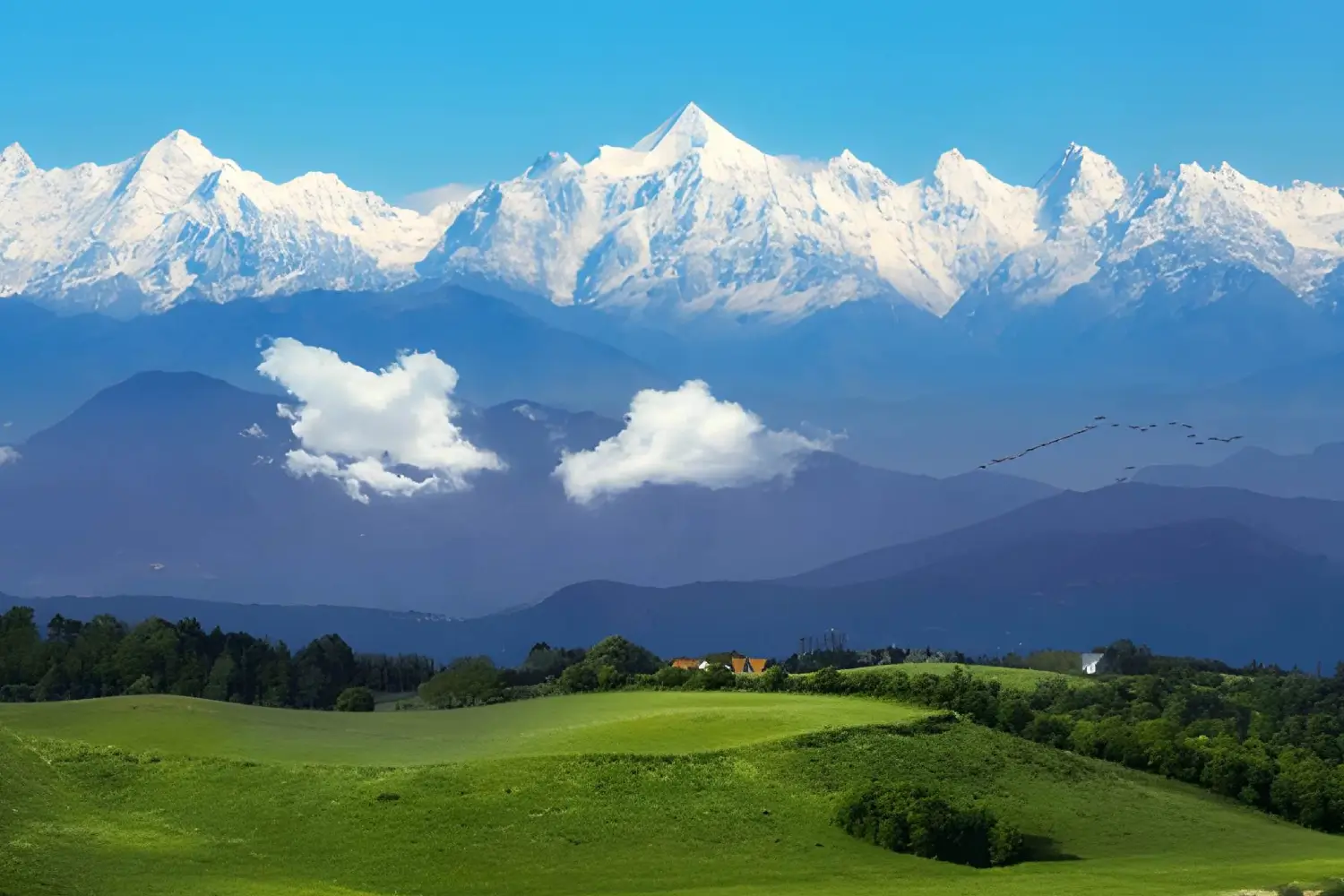
Dominating the Darma Valley of Pithoragarh, a line of five snowy giants forms the legendary Panchachuli Range. Mythology recounts that the Pandavas prepared their final meal here before embarking on their heavenly journey, giving the peaks their names. The first successful climb was recorded on Panchachuli II at 6,904 m in 1973 by an Indo-Tibetan Border Police team. Trekkers admire the peaks from the celebrated Panchachuli Base Camp Trail, while climbers face formidable challenges of icefalls, crevasses, and sharp ridges. With cultural reverence and raw Himalayan power combined, Panchachuli is both sacred and awe-inspiring.
Nandakot Peak (6,861 m)
Towering as a snowy sentinel east of Nanda Devi, this majestic mountain has long been linked to the goddess herself. Its very name, Nandakot, means “Fort of Nanda,” symbolizing a protective bastion of the sacred region. The peak was first climbed in 1936 by a Japanese expedition group and has since been an aspiration for mountaineers. Rising above the Pindari and Milam valleys, it forms a fortress-like barrier with sweeping views of the Nanda Devi massif. Spiritual aura blends with alpine challenge here, where snow, ice, and crevassed glaciers test even seasoned climbers.
Best Time for Peak Climbing in Uttarakhand
The ideal time for peak climbing in Uttarakhand falls into two main windows: from March to June, early to late summer, and from November to January, post-monsoon to deep winter. Climbers can choose either period based on their preferences for weather and challenge. During the summer months, clear skies and milder temperatures make climbing more comfortable. On the other hand, the winter season attracts seasoned climbers who are drawn to the extreme conditions and snow-covered terrain. Each season offers a distinct experience, allowing climbers to pick the best time depending on whether they prefer easier conditions or a more demanding climbing experience.
Best Time for Peak Climbing in Uttarakhand
Build strong cardiovascular fitness and strength to handle the physical strain and low oxygen levels at high altitude.
Obtain all necessary permits from the Indian Mountaineering Foundation well before your climb. Climbing without permits, especially on peaks above 6000 meters, is prohibited.
Always climb in a team with an experienced leader; solo expeditions are not allowed. Team support and leadership are critical for safety and coordination.
Carry proper mountaineering gear and layered clothing to protect against extreme cold and unpredictable weather.
Stay well hydrated by drinking plenty of water throughout the climb to prevent dehydration and altitude sickness.
Bring a comprehensive first-aid kit with altitude sickness medication and basic supplies. Immediate care can make a big difference during emergencies.
Follow all rules and the approved route strictly; avoid unauthorized shortcuts or risky deviations. This reduces dangers and respects regulations.
Get plenty of rest before and during the expedition to keep your body and mind prepared for the challenges ahead. Fatigue increases the risk of accidents.
Report any symptoms of altitude sickness, such as headache, dizziness, or breathlessness, immediately to your guide. Early intervention is vital to prevent serious health issues.
Peak Climbing Expeditions
Request Booking for This Peak Climbing Expedition in the Himalayas
For a detailed itinerary, expedition plan, and pricing, click the “Book” button below and share your requirements. We will get back to you at the earliest possible.
Yes, especially for technical peaks like Shivling or Thalay Sagar. These climbs require skills in glacier travel, rope handling, ice axe, and crampon use. Climbers must carry their own gear and assist with camp setup, making prior high-altitude mountaineering experience essential.
Most peaks above 6,000 meters or near international borders require permits from the Indian Mountaineering Foundation (IMF). Applications must be submitted through approved mountaineering operators, detailing the team, route, and peak.
A high level of endurance, strength, and acclimatization readiness is crucial. Climbers should train for 3 to 6 months with cardiovascular exercises like running, hiking, cycling, and strength training, focusing on legs, core, and upper body. Flexibility and breathing exercises help with acclimatization.
Yes. Our peak climbing packages include certified mountain guides, support staff, and essential safety gear such as oxygen cylinders and first-aid kits. Operators provide logistical support throughout the expedition, including transport, food, and emergency preparedness.
Difficulty varies by peak. Uttarakhand offers everything from beginner-friendly peaks to highly technical summits like Shivling and Thalay Sagar. Some climbs provide gradual altitude exposure, while others demand advanced technical skills and endurance comparable to demanding mountain expeditions.
 hard
hard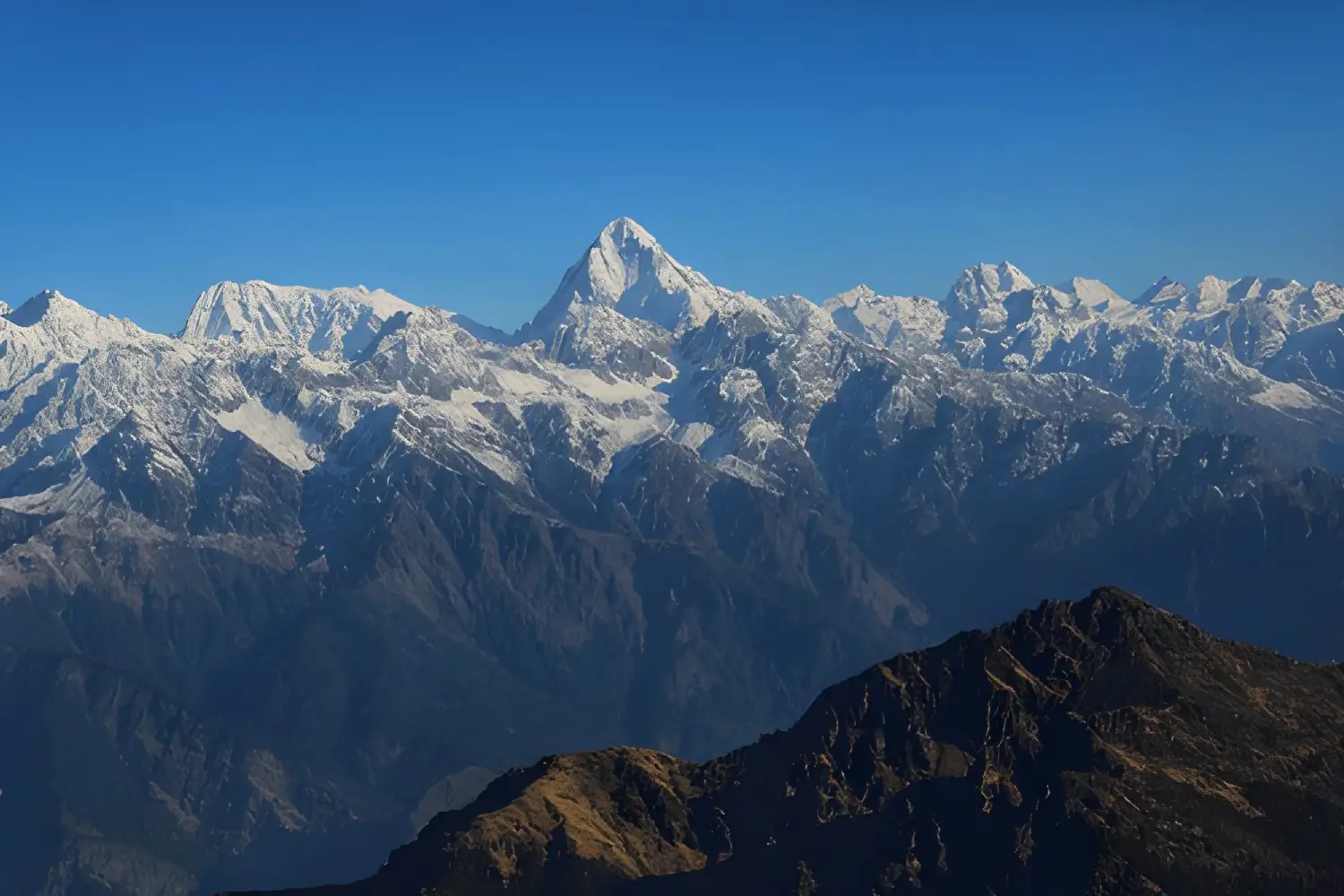 hard
hard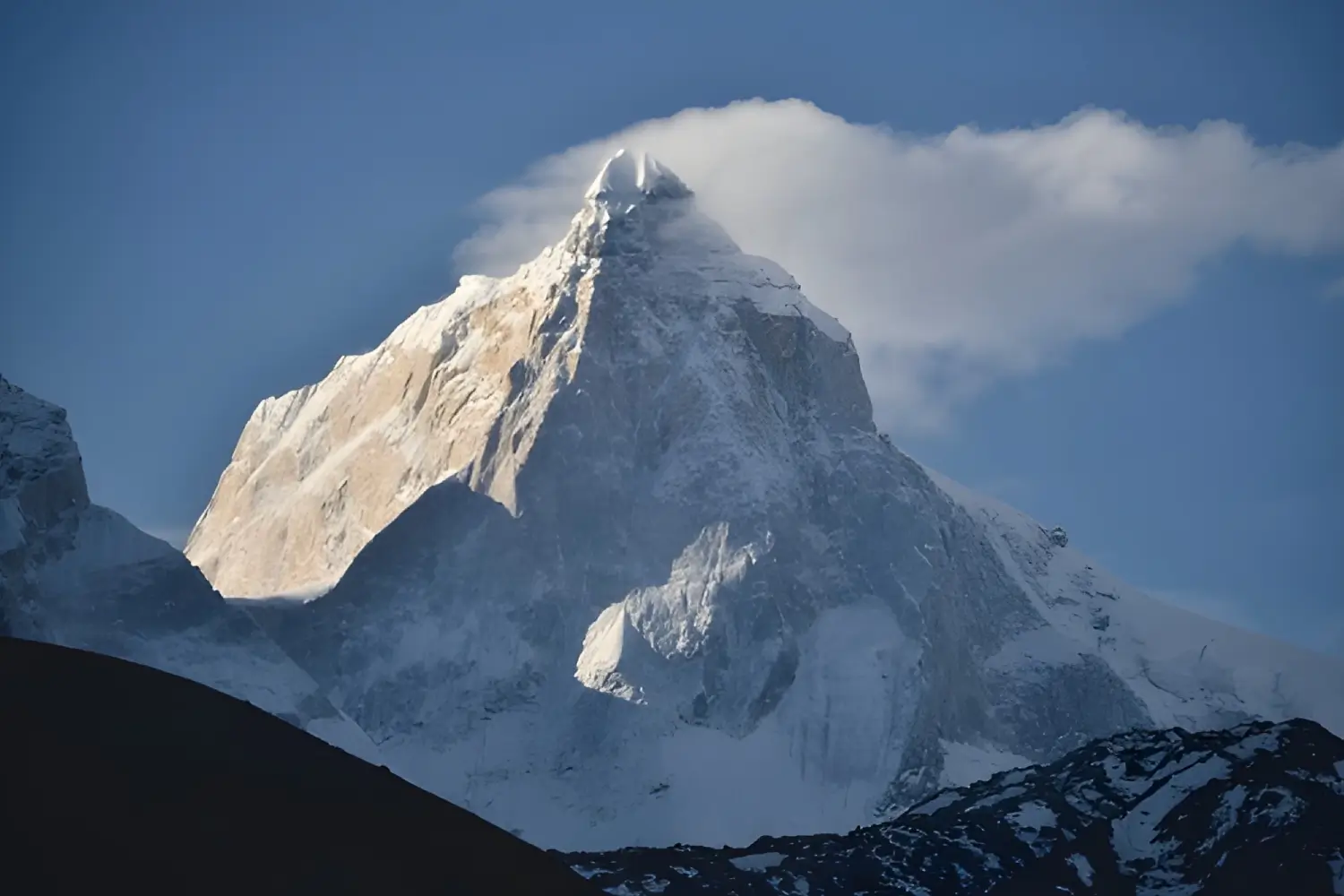 hard
hard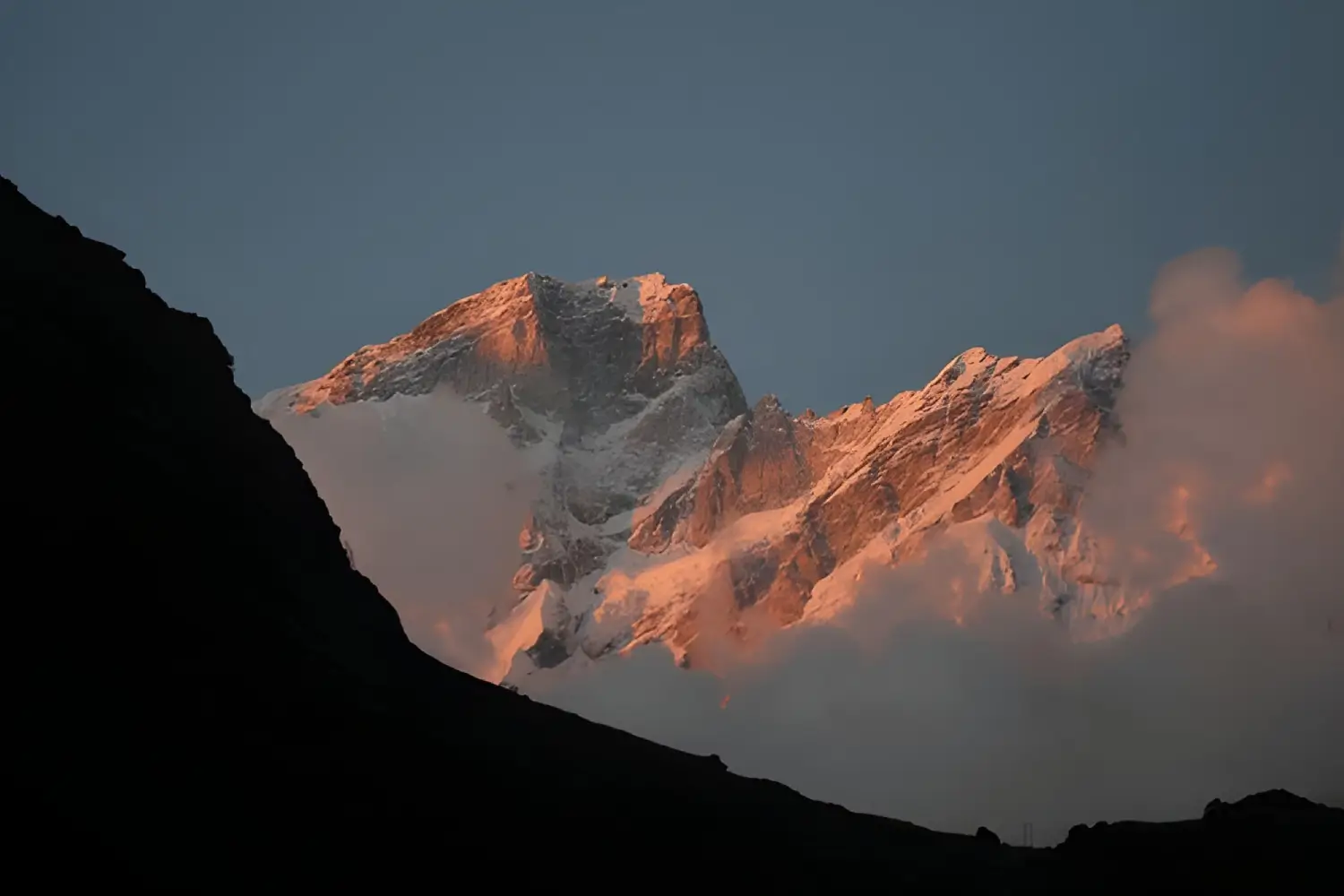 hard
hard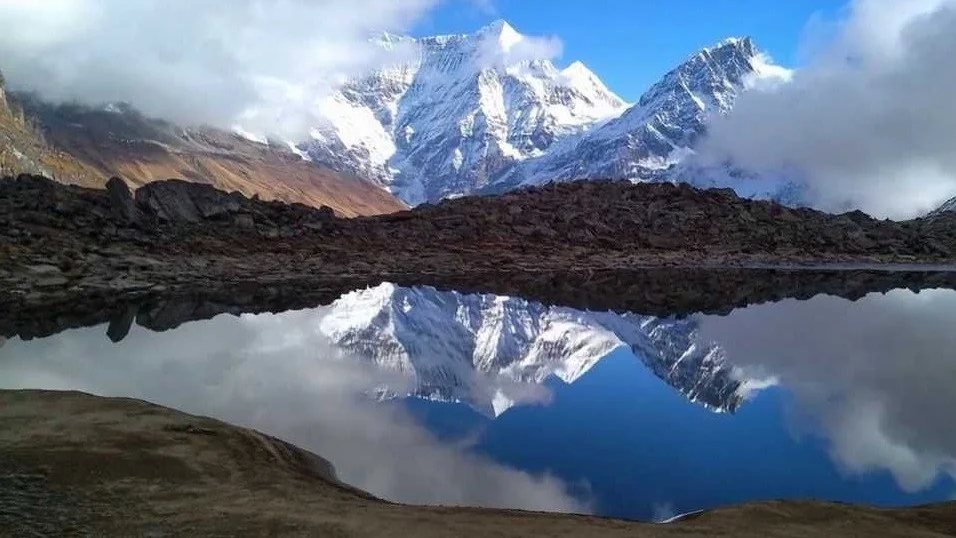 moderate
 hard
hard