Discover our top selection of peak climbing expedition packages in Sikkim. With our expertise and years of experience, your trekking and climbing adventures in the mighty Himalayas of Sikkim will be safe, enriching, and truly unforgettable!
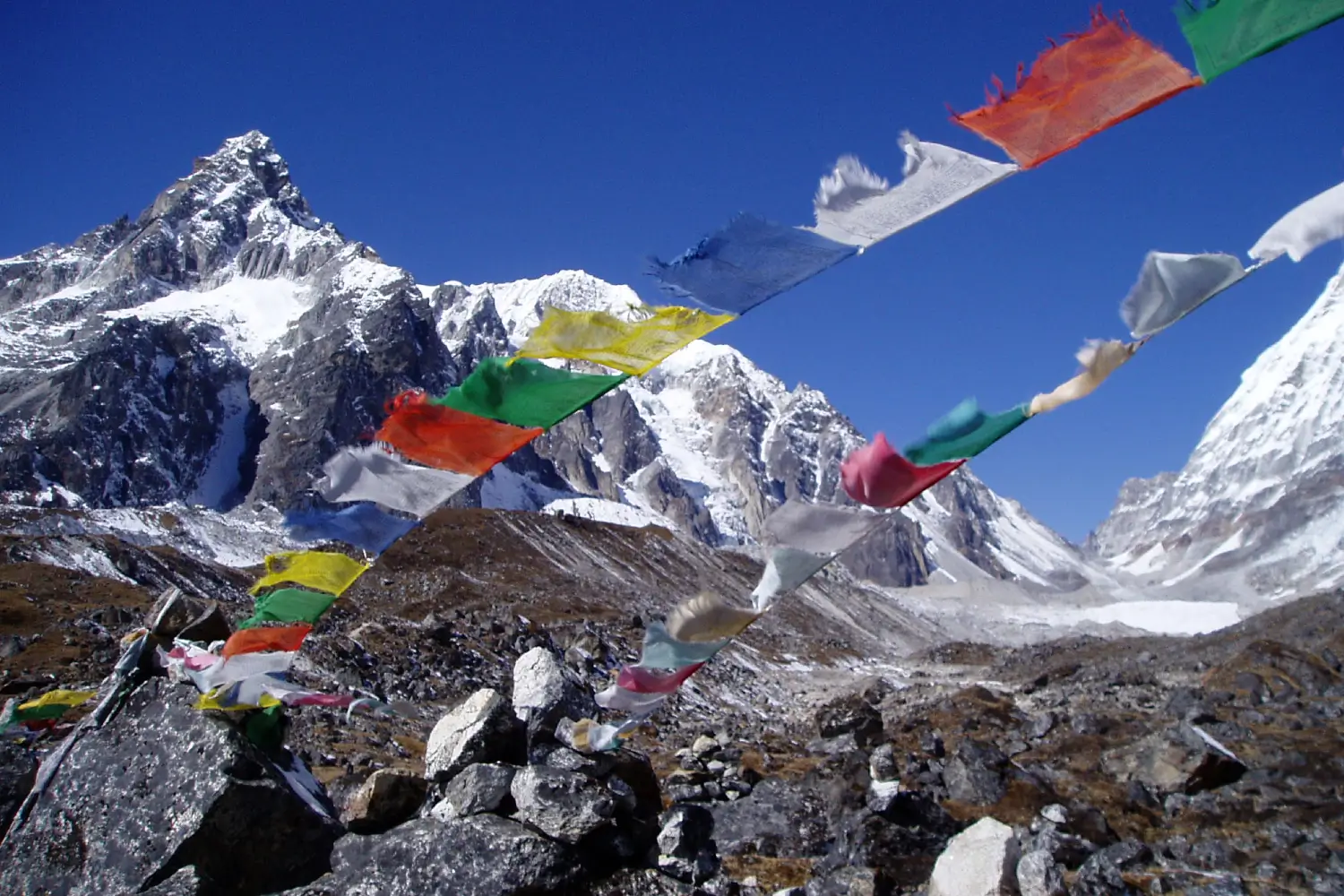
Scaling Frey Peak is a demanding yet immensely rewarding expedition that perfectly blends the thrill of Himalayan mountaineering with the tranquil beauty of Sikkim's landscapes.
Starting from USD 1885 / Per person
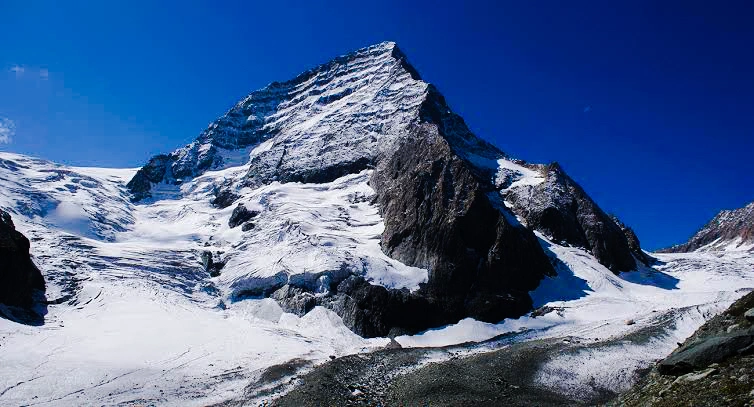
Thinchenkhang Peak is among the finest climbing destinations in Sikkim and a highlight of the Indian Himalayas.
Starting from USD 1925 / Per person
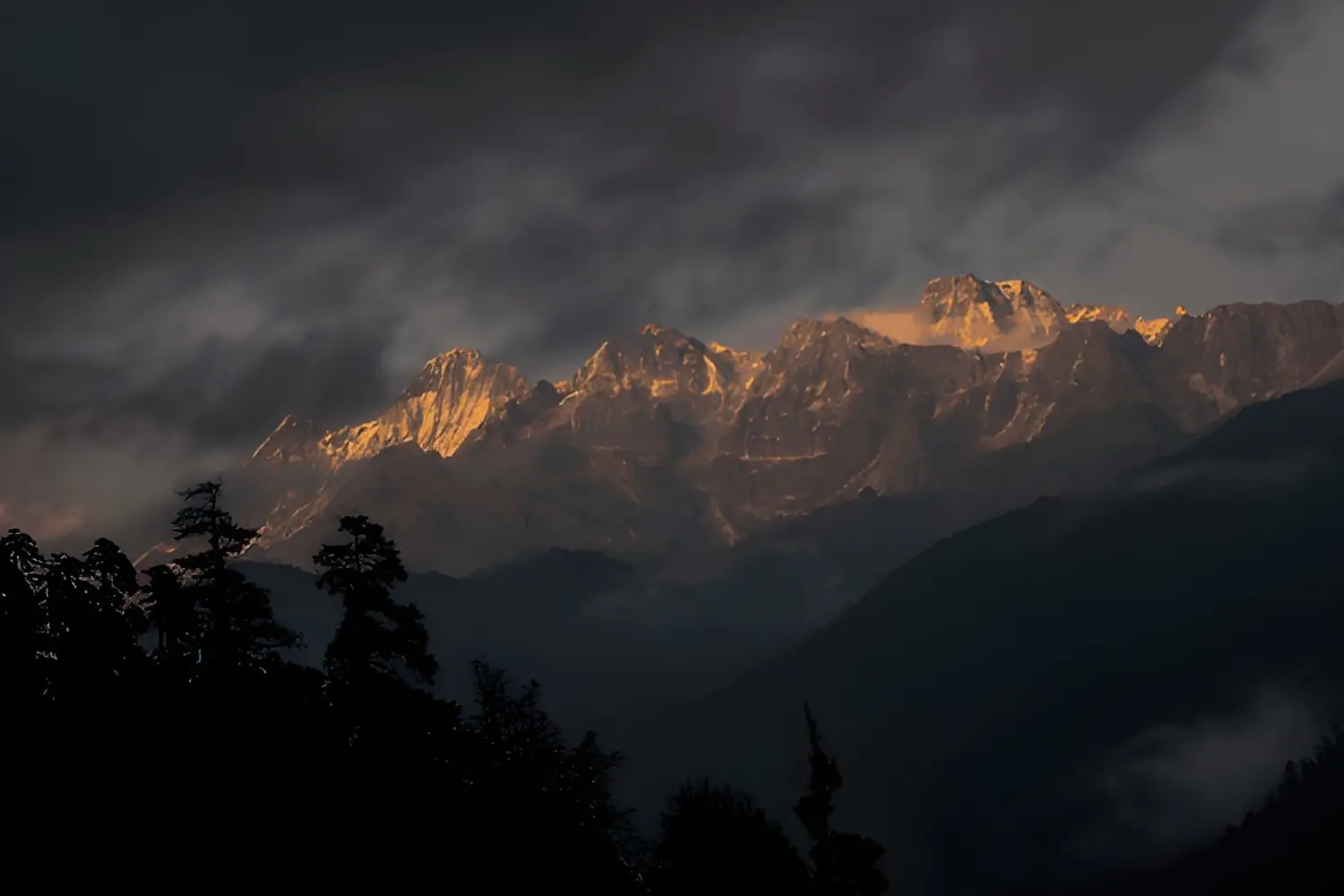
Situated deep inside Khangchendzonga National Park, Mt. Jopuno (5,936 m) presents one of the most captivating challenges for those looking for an actual mountain expedition in Sikkim.
Starting from USD 1855 / Per person
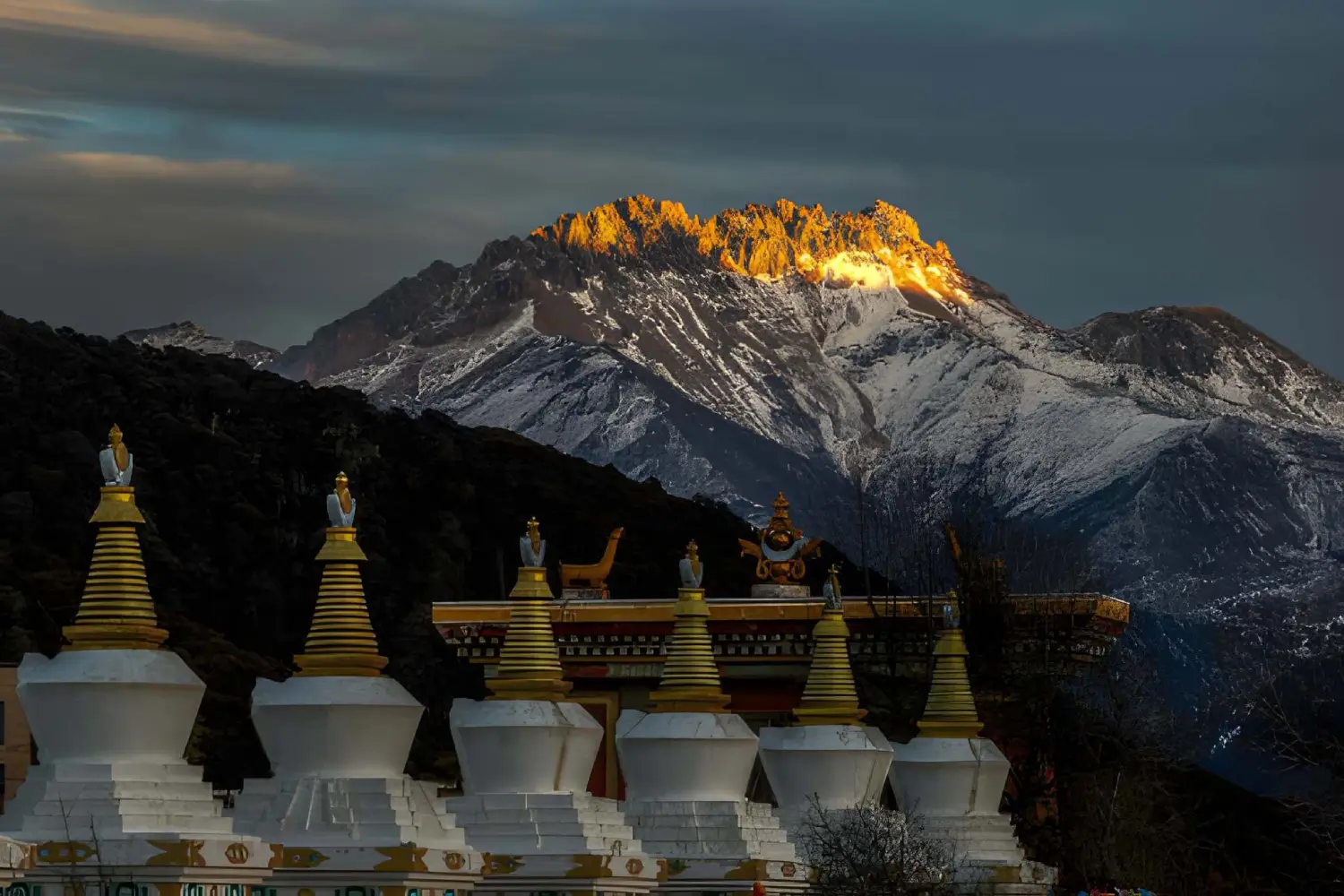
Climbing the Brumkhangse peak is an experience that extends beyond an adventure; it is also about exploring the raw, visceral beauty of the eastern Himalayan landscape.
Starting from USD 1835 / Per person
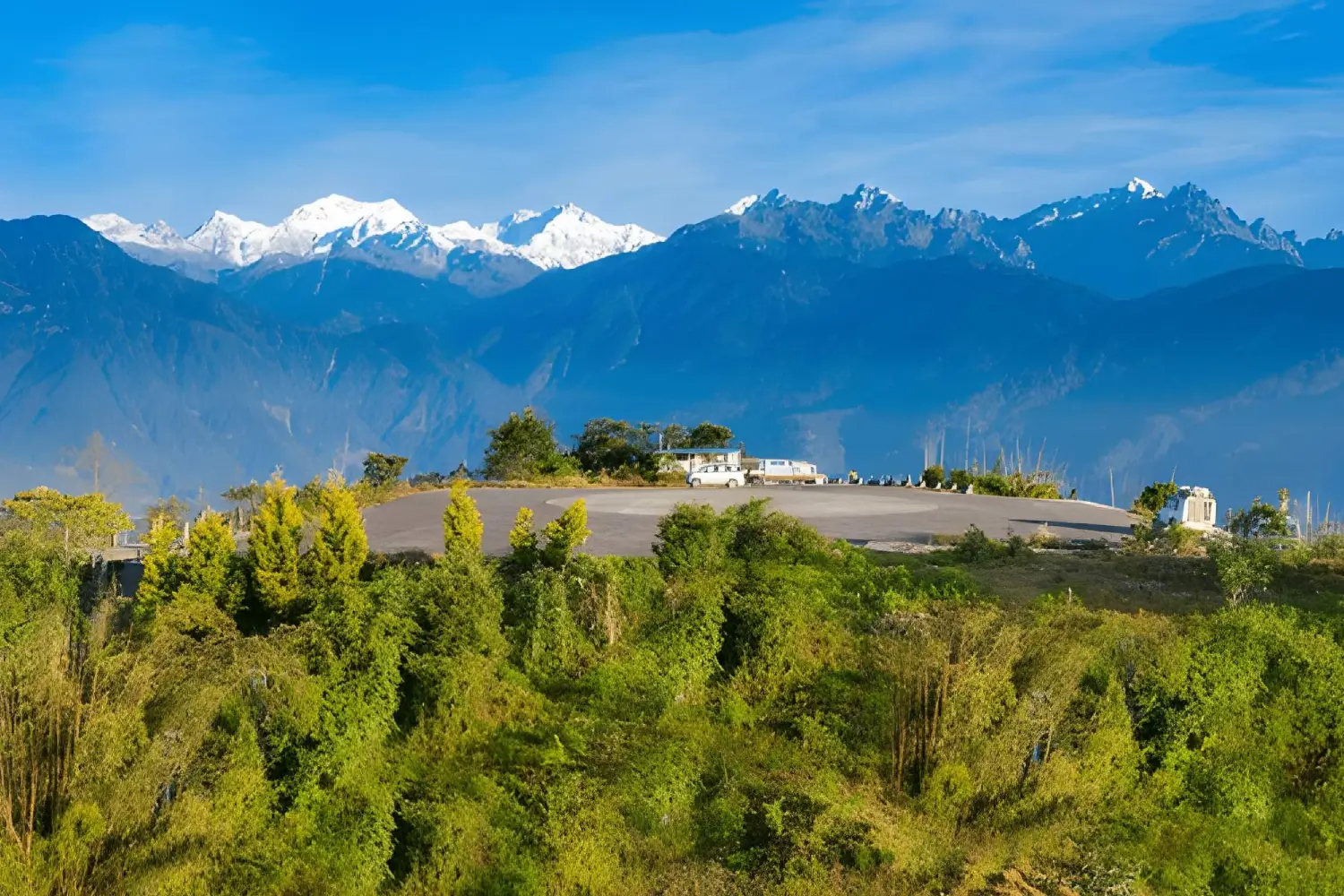
The Sikkim Himalayas, often called the personification of the mighty mountains, form a land of marvels that, for sheer beauty and brilliance, has few equals in the world. Located in the eastern Himalayas, the crown of Sikkim is the royal and imposing Kanchenjunga (or Khangchendzonga), soaring to 8,585 meters above sea level. Kanchenjunga, the world's third - highest mountain, is revered as the guardian deity of the Sikkimese people.
In addition to Kanchenjunga, Sikkim is home to other renowned peaks such as Kabru, Siniolchu, and Tent Peak. However, peak climbing expeditions in Sikkim require additional permits and clearances, extensive planning, and considerable paperwork through the Indian Mountaineering Foundation in New Delhi. The state government also imposes royalties on certain peaks. Despite these requirements, Sikkim offers exceptional opportunities for climbers, combining lofty summits with rich cultural traditions and unmatched biodiversity.
Cradled amidst snow-clad mountains, Sikkim is a paradise for trekkers and adventure enthusiasts. Known as the “land of serenity and tranquility,” it is both peaceful and thrilling. Trekking and climbing here carry a unique charm, offering rejuvenation for those burdened by urban life or stress. Higher in the mountains, silence prevails—broken only by the chirping of birds. At night, the crystal - clear skies glitter with countless constellations, creating a magical experience. Treks in Sikkim range from moderate to strenuous, with the Singalila Trek being among the most challenging.
The state also nurtures incredible biodiversity, sheltering over 40 species of rhododendrons, 4,000 flowering plants, 560 species of orchids, 600 species of exotic birds, and countless other animals. Alpine lakes, swirling clouds, and pristine snow peaks make this small state a true gem for both nature lovers and adventurers.
Sikkim offers a variety of trekking trails leading close to Kanchenjunga, including the Green Lake Trek, Village Trek, Monastic Trek, Rhododendron Trek, Phoktey Dara Trek, Yambong - Singalila Trek, Goechala Trek, and Dzongri Trek.
Frey Peak is named after the mountaineer George Frey, who tragically died while attempting its ascent. He and Tenzing Norgay once tried to climb this virgin peak but failed. The peak is best approached via the Frey Glacier and is notable for its resemblance to Europe's famous Matterhorn.
The expedition to Frey Peak in West Sikkim is both challenging and rewarding, passing through rocky trails and snow gaps. Along the way, climbers can explore regions such as Chaurikhang, Yuksom, and Tshoka. The climb is best attempted in March - May and October - November, when conditions are most favorable.
Located in West Sikkim, Mt. Tenchenkhang has been recently opened for trekking by the government and is graded as a “D” category peak. Permission to climb here is relatively easier to obtain compared to other peaks.
The climb offers magnificent views of sacred lakes, snow-capped mountains, and diverse ecosystems. From its summit, one can enjoy an overwhelming panorama of the Sikkim Himalayas.
For a detailed itinerary, expedition plan, and pricing, click the “Book” button below and share your requirements. We will get back to you at the earliest possible.
Preparation for peak climbing in Sikkim must go beyond general fitness. Due to the state's high altitude, rapid weather shifts, and strict access controls, climbers are expected to arrive already acclimatization-ready, not to “train on the expedition.”
Ideally, climbers should have completed multiple Himalayan treks above 4,500 meters, with experience walking on snow and handling cold, windy conditions. Familiarity with crampons, ice axes, and fixed ropes is essential, as practice time on the mountain is limited due to regulated itineraries.
What many climbers underestimate in Sikkim is mental resilience. Restricted movement, fixed camping zones, and permit-bound schedules reduce flexibility. Strong preparation helps you adapt when plans are adjusted due to weather or administrative constraints.
Unlike other Himalayan states, Sikkim has a very limited number of officially permitted peaks, largely due to its sensitive international borders. Most climbing activity is restricted to IMF - approved trekking and climbing peaks, accessed only through authorized expeditions.
Among these, Frey Peak is the most commonly attempted, along with select trekking peaks in North Sikkim approved seasonally by the authorities. Independent exploration or unofficial peak attempts are strictly prohibited.
This controlled environment means fewer options but also well-monitored routes, regulated camps, and structured safety oversight.
Yes, but Sikkim is suitable only for serious beginners, not casual first - timers. Beginner climbers can attempt permitted trekking peaks provided they are physically fit, experienced at altitude, and part of a fully guided expedition. While technical difficulty may be moderate, snow travel, glacier sections, and long summit days are unavoidable.
What distinguishes Sikkim from beginner peaks elsewhere is the lack of flexibility. Routes, camps, and timelines are fixed by permit conditions, leaving little room for trial - and - error learning. Beginners who succeed here are usually those who arrive prepared, disciplined, and realistic about their limits.
Previous technical mountaineering experience is not mandatory for entry - level trekking peaks, but high-altitude trekking experience is strongly recommended and often informally assessed by expedition leaders.
For peaks involving steeper snow slopes or sustained glacier travel, prior exposure to mountaineering techniques becomes essential. This includes rope handling, self-arrest practice, and comfort moving in crampons for extended periods.
In Sikkim, guides prioritize risk management over ambition. Climbers without sufficient experience may be advised against proceeding, not because the peak is impossible, but because recovery options are limited in restricted zones.
Most peak climbing expeditions in Sikkim last 14 to 20 days, and this duration is non-negotiable.
Time is required for :
Unlike other regions, itineraries in Sikkim cannot be compressed easily. Removing buffer days significantly reduces summit success and increases health risks. Well-planned expeditions treat extra days as safety insurance, not inefficiency.
Most permitted trekking and climbing peaks in the Sikkim range between 5,500 meters and just over 6,000 meters.
While these elevations may appear modest compared to larger Himalayan giants, altitude impact is amplified by :
As a result, proper acclimatization is critical, and altitude - related fatigue often feels more pronounced than expected.
Yes, and this is one of the most important planning considerations.
Peak climbing in Sikkim requires multiple layers of approval, including clearance from :
All climbs must be conducted through recognized expedition operators. Independent or unguided climbing is not permitted under any circumstances.
Permit documentation for Sikkim expeditions is strict and must be submitted well in advance.
Typically required documents include :
All paperwork is routed through an approved agency to ensure compliance with state and central regulations.
Yes, foreign nationals can participate but only under strict conditions.
Foreign climbers must :
Access is more controlled than in most Himalayan states, and some regions remain completely closed to foreign nationals. Mixed Indian - foreign teams are possible but are subject to government approval.
Yes. Large areas of North and East Sikkim are restricted due to proximity to international borders. Entry into these regions requires special permits, and regulations can change based on government advisories. Some areas may be closed without prior notice, particularly during periods of heightened security sensitivity. This is why expedition planning in Sikkim demands flexibility, advance preparation, and operator experience.
Among officially permitted options, Frey Peak is generally considered the most accessible. It involves snow and glacier travel but avoids sustained technical climbing, making it suitable for well-prepared first - time climbers under professional supervision. However, “easiest” in Sikkim still means long days, cold conditions, and strict adherence to safety protocols. Fitness, acclimatization, and mental readiness remain critical to success.
Advanced climbers in Sikkim attempt higher, IMF-approved peaks that involve glacier navigation, crevasse management, and steep snow sections.
These expeditions demand :
Due to regulatory limits, peak choices are fewer, but the technical and logistical challenges are substantial.