Top Autumn Treks for the Himalayas
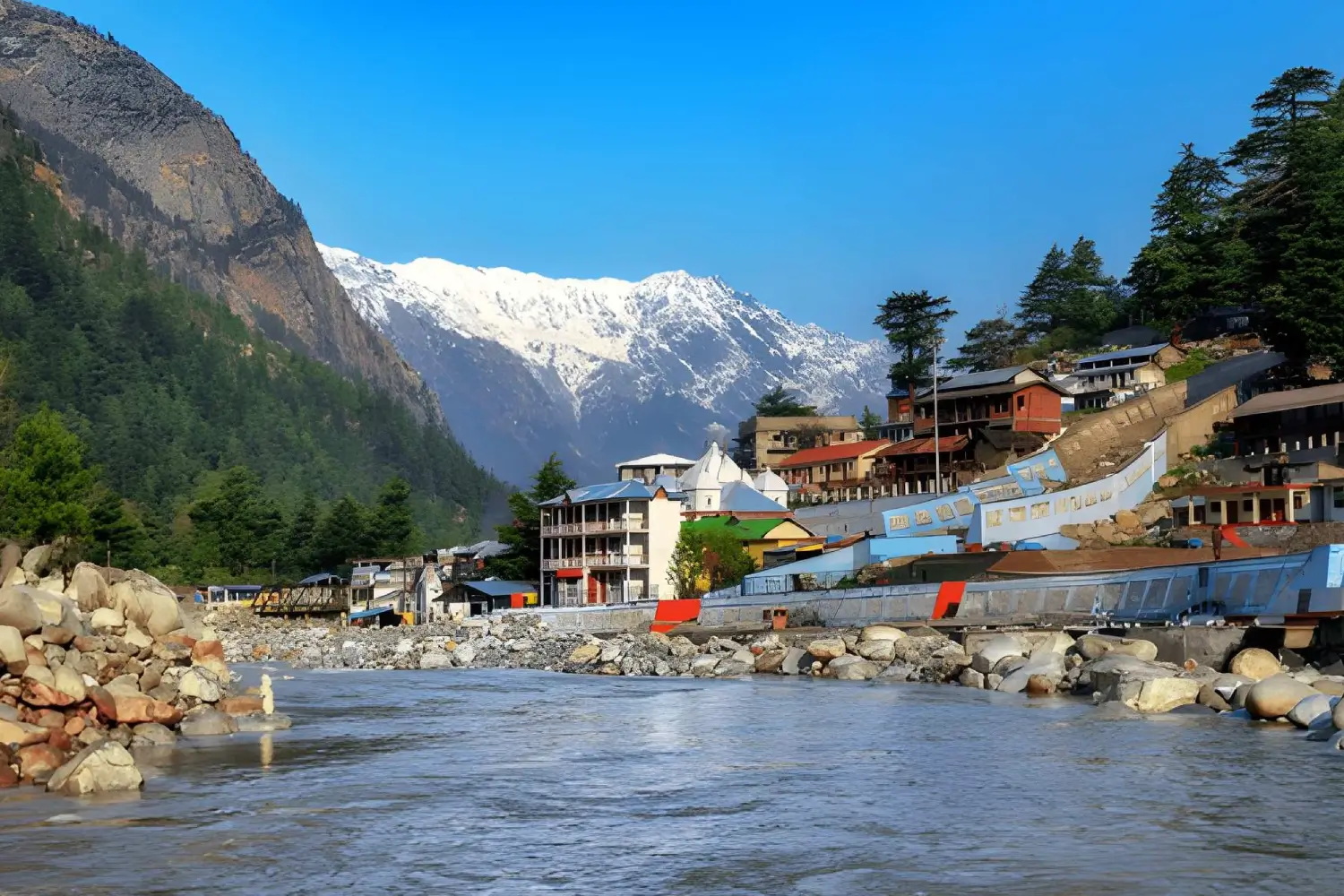
Sources of Ganges Trekmoderate

13 Days

|

Garhwal

The Ganges River and its source at Gomukh on the Gangotri Glacier, along with many surrounding peaks, hold immense significance in Hinduism.

Starting from USD 685 / Per person
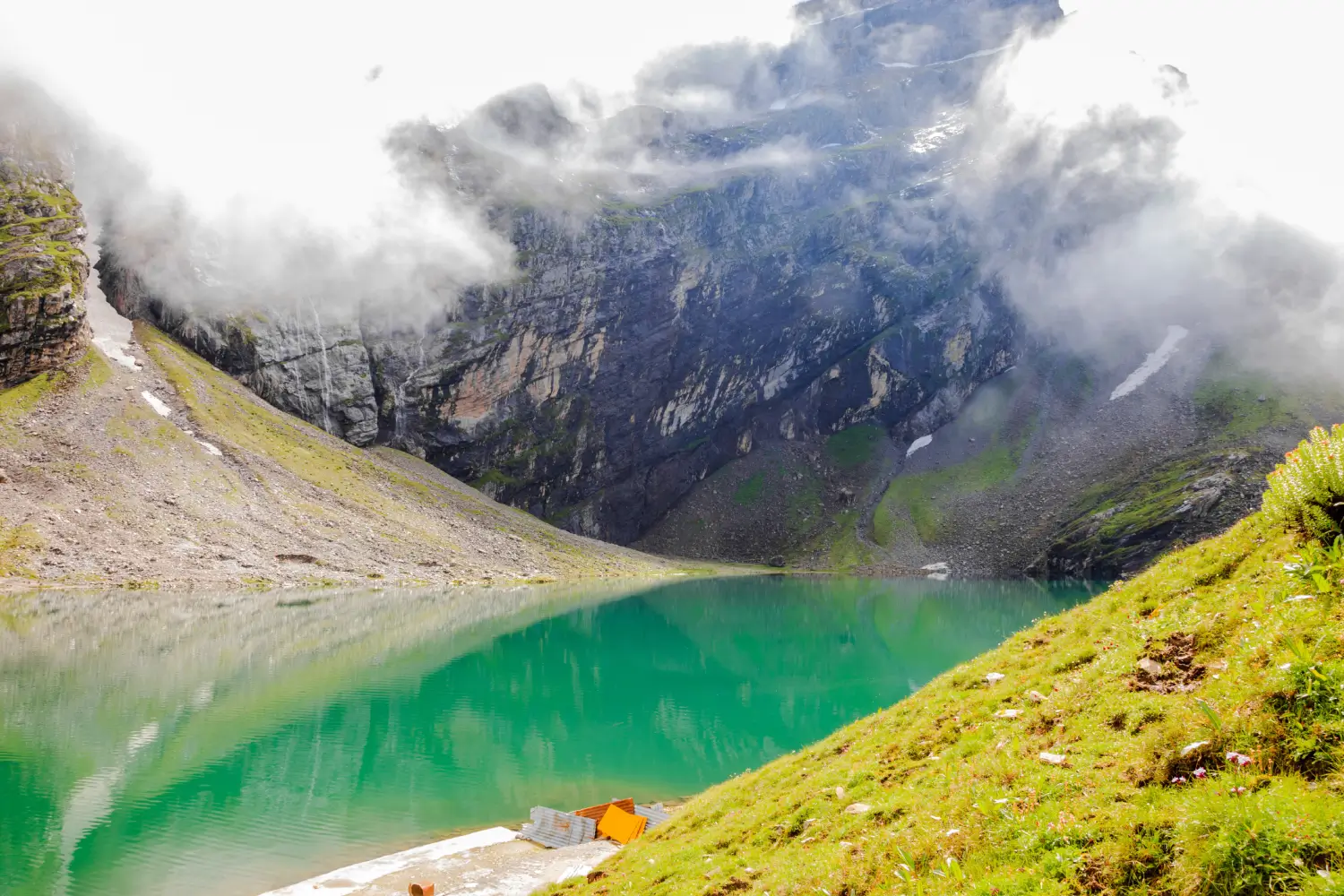
Hemkund Sahib Trekmoderate

07 Days

|

Garhwal

One of the most sacred high - altitude pilgrimages in the Garhwal Himalayan region, the Trek to Hemkund Sahib attracts thousands of Sikh devotees and nature lovers every year.

Starting from USD 585 / Per person
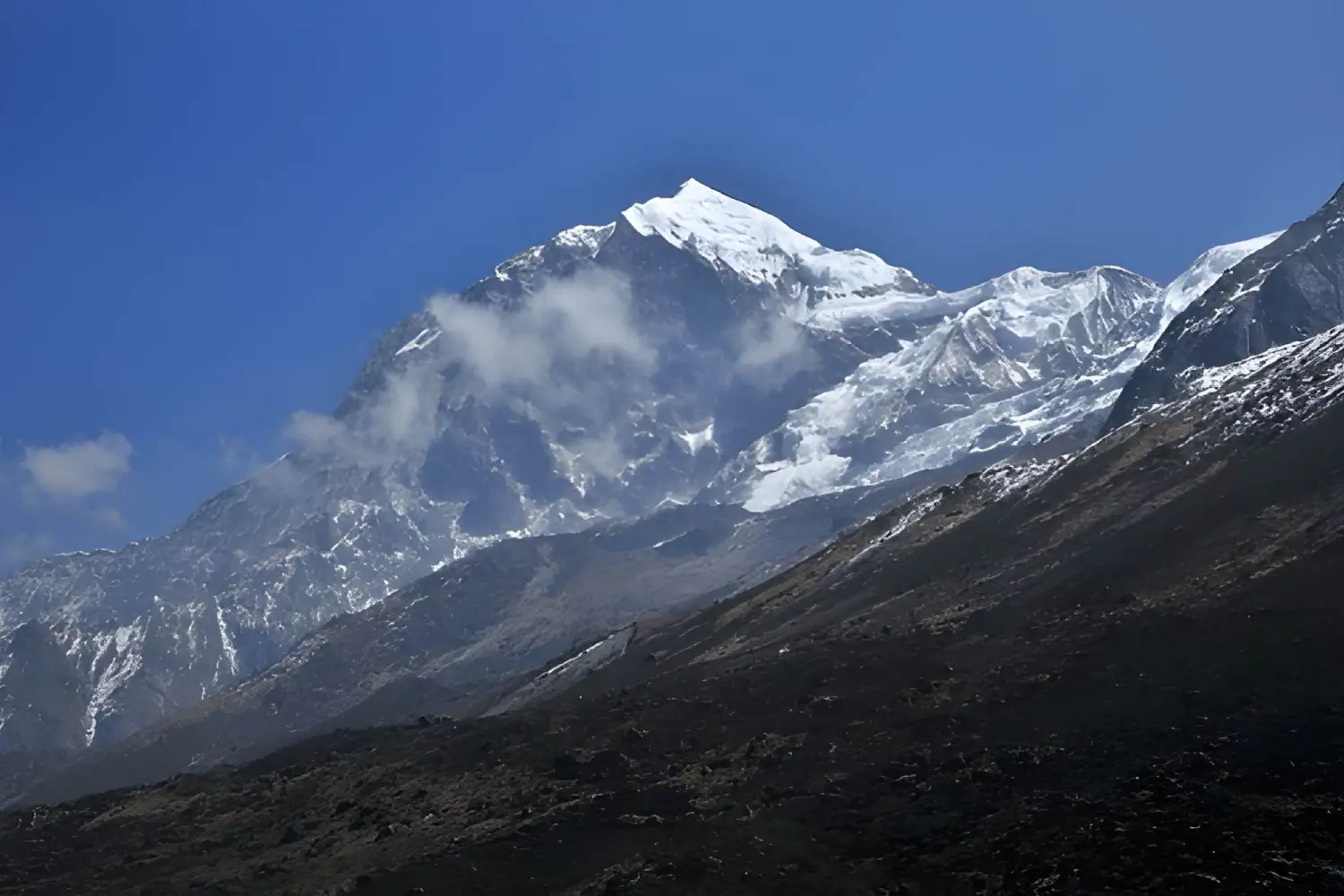
Goechala Trekmoderate

11 Days

|

Sikkim

The Yuksom - Dzongri - Goecha La Trek is one of the most popular trekking routes in Sikkim.

Starting from USD 865 / Per person
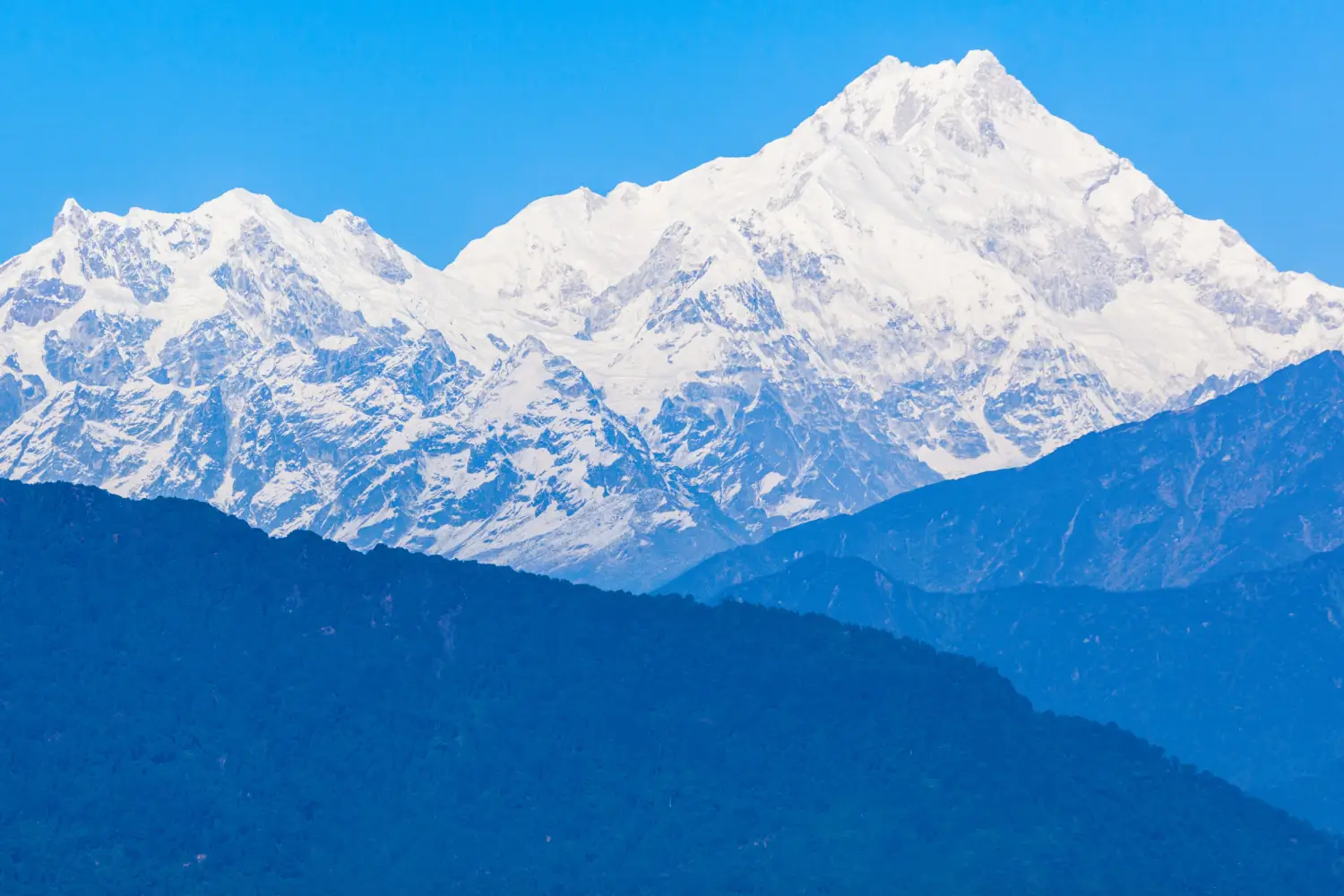
Kanchenjunga Base Camp Trekmoderate

11 Days

|

Sikkim

Kanchenjunga Base Camp Trek is best suited for people who wish to take pleasure in trekking as well as camping. Kanchenjunga is the world's third - highest peak at 8,586 meters and India's highest peak.

Starting from USD 500 / Per person
The Lord Curzon Trail - Kuari Pass Trekmoderate

10 Days

|

Garhwal

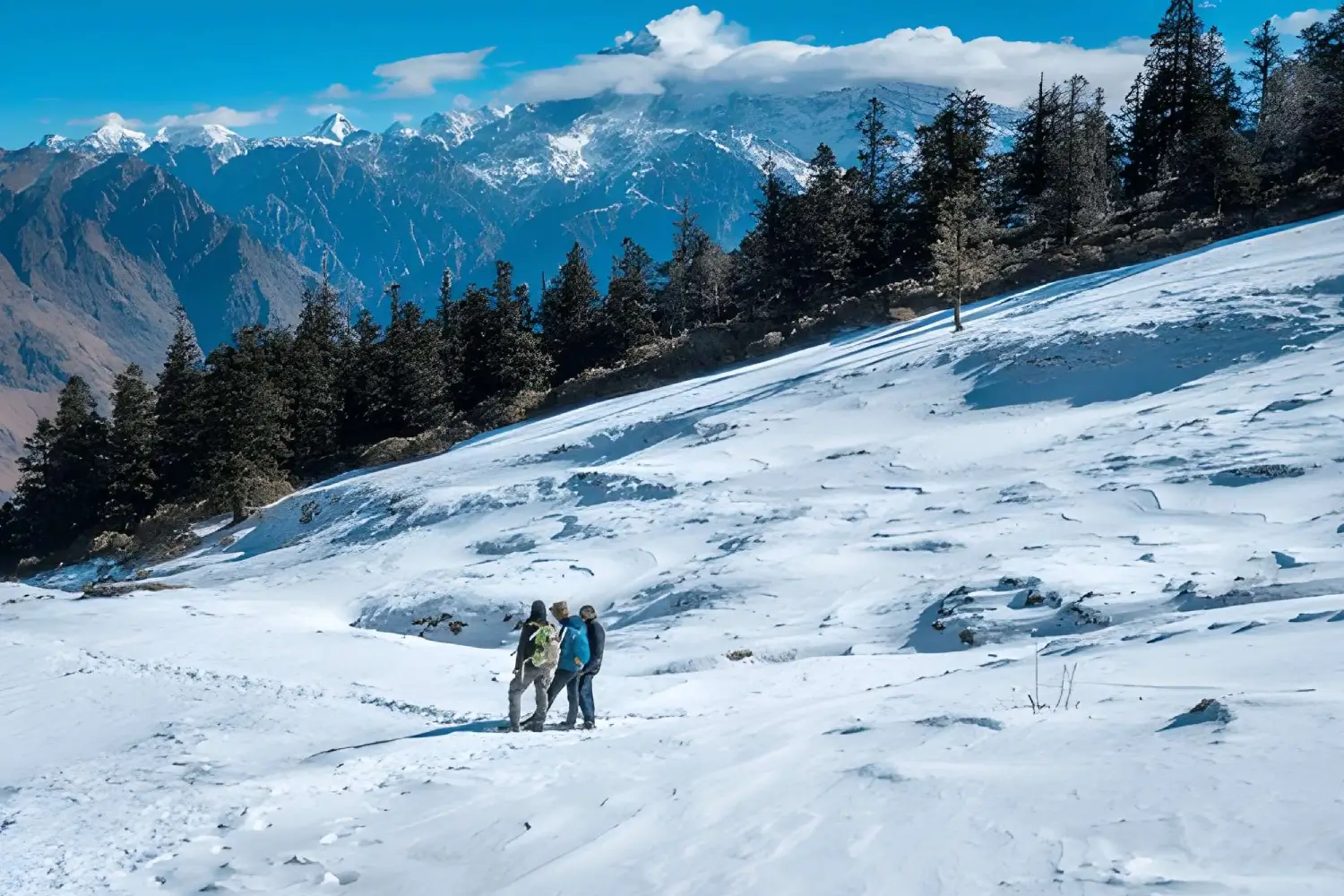
The Kuari Pass Trek, also known as the Lord Curzon Trail, is one of the most renowned treks in the Garhwal Himalayan region and is highly recommended for beginners.

Starting from USD 785 / Per person
Hampta Pass Trekmoderate

06 Days

|

Himachal

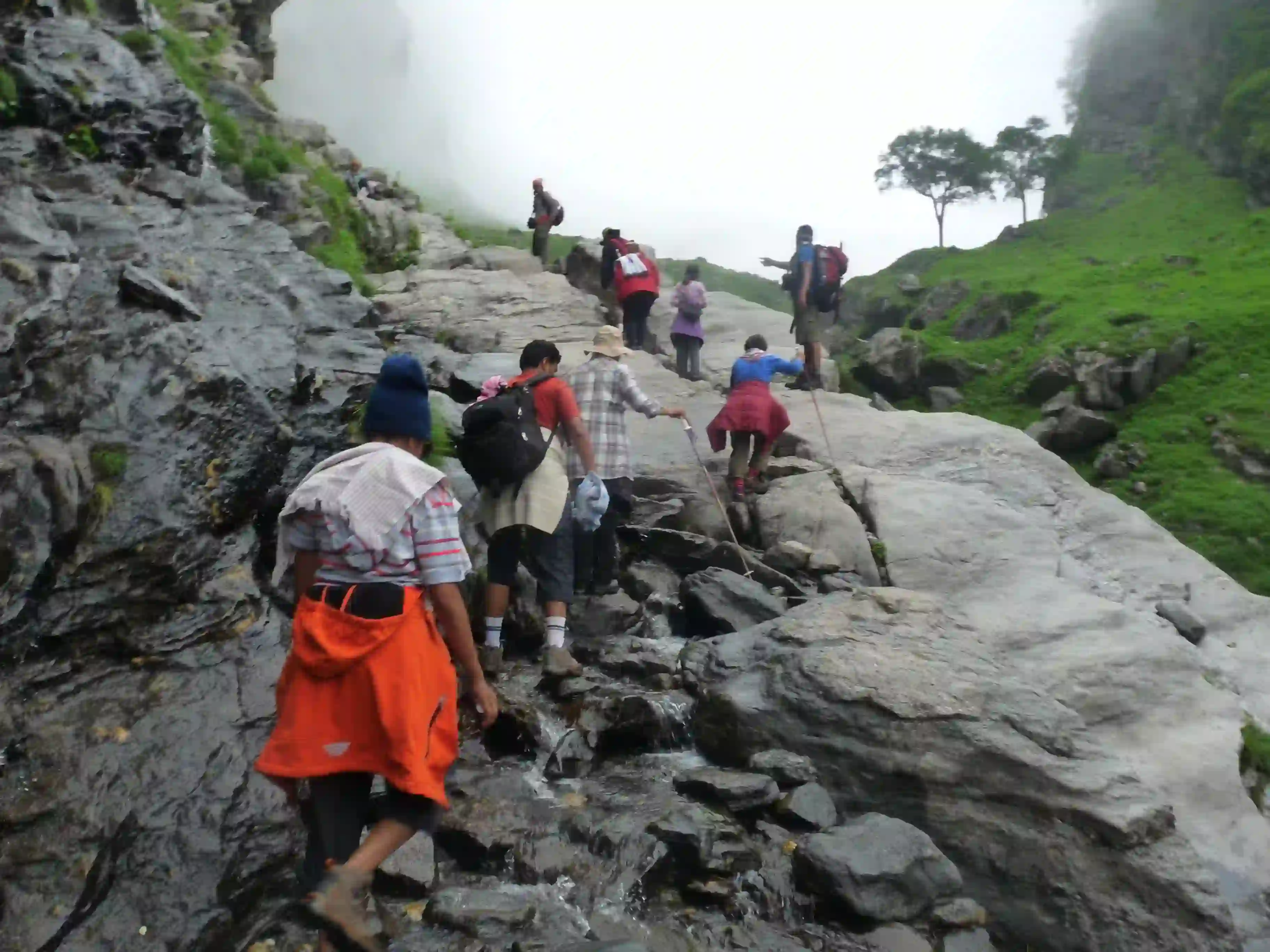
The Hampta Pass Trek is one of the best crossover treks in Himachal Pradesh.

Starting from USD 635 / Per person

Why Trek in the Autumn Season ?

The autumn season, from October to November, is widely hailed as the "golden season" for trekking in the Indian Himalayas. After the monsoon washes the atmosphere clean, the mountains offer a clarity and brilliance that is simply unparalleled. This is the season for those who trek for the views: think crystal-clear, deep blue skies and breathtaking, unobstructed panoramas of the highest snow-capped peaks. The air is crisp, the weather is stable, and the entire landscape is painted in stunning hues of gold, red, and brown before winter's arrival.

This post-monsoon stability opens up the entire Himalayan range, making it the best time for classic, high-altitude treks in Sikkim, Uttarakhand, and Himachal. This is the season when you can confidently aim for the grandest views in the world. Imagine trekking the Goecha La trail in Sikkim, watching the first light of dawn strike the massive Kanchenjunga massif. Picture yourself on the Sandakphu ridge, gazing at a 180-degree panorama that includes four of the world's five highest peaks: Everest, Lhotse, Makalu, and Kanchenjunga. Treks like Kuari Pass in Uttarakhand become legendary, offering staggering views of India's highest peak, Nanda Devi.

Another benefit is the autumn season has fewer crowds, which gives trekkers a peaceful and immersive experience in the mountains. For both beginners and experienced adventurers, autumn provides unmatched beauty, accessibility, and calmness.

Autumn Season Weather & Climate Conditions

Autumn in the Himalayas is defined by its stable, dry, and clear weather. The monsoon has fully retreated by the end of September, leaving behind pristine air. Days are pleasantly warm in the sun, while nights become progressively colder as winter approaches.

In Uttarakhand and Himachal Pradesh, conditions are perfect. Daytime temperatures average between 12°C and 18°C, with nights dropping to 0°C or even -5°C at higher campsites. Sikkim and the Darjeeling Himalayas experience similar weather, making it the absolute best time for treks like Goecha La and Sandakphu. However, the high-altitude regions of Ladakh and Lahaul-Spiti are no longer accessible; the season here is over as passes become blocked by snow and temperatures plummet.