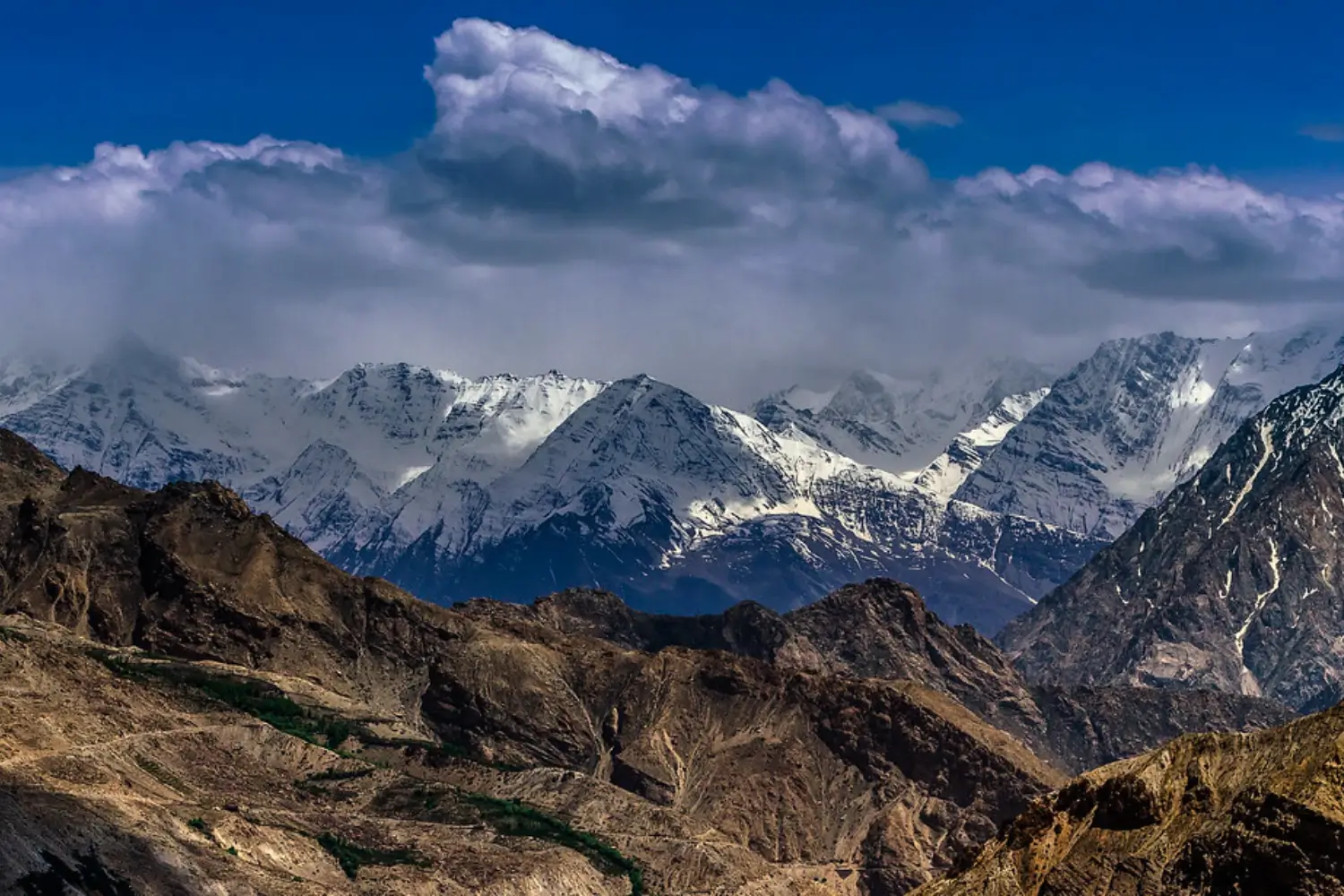
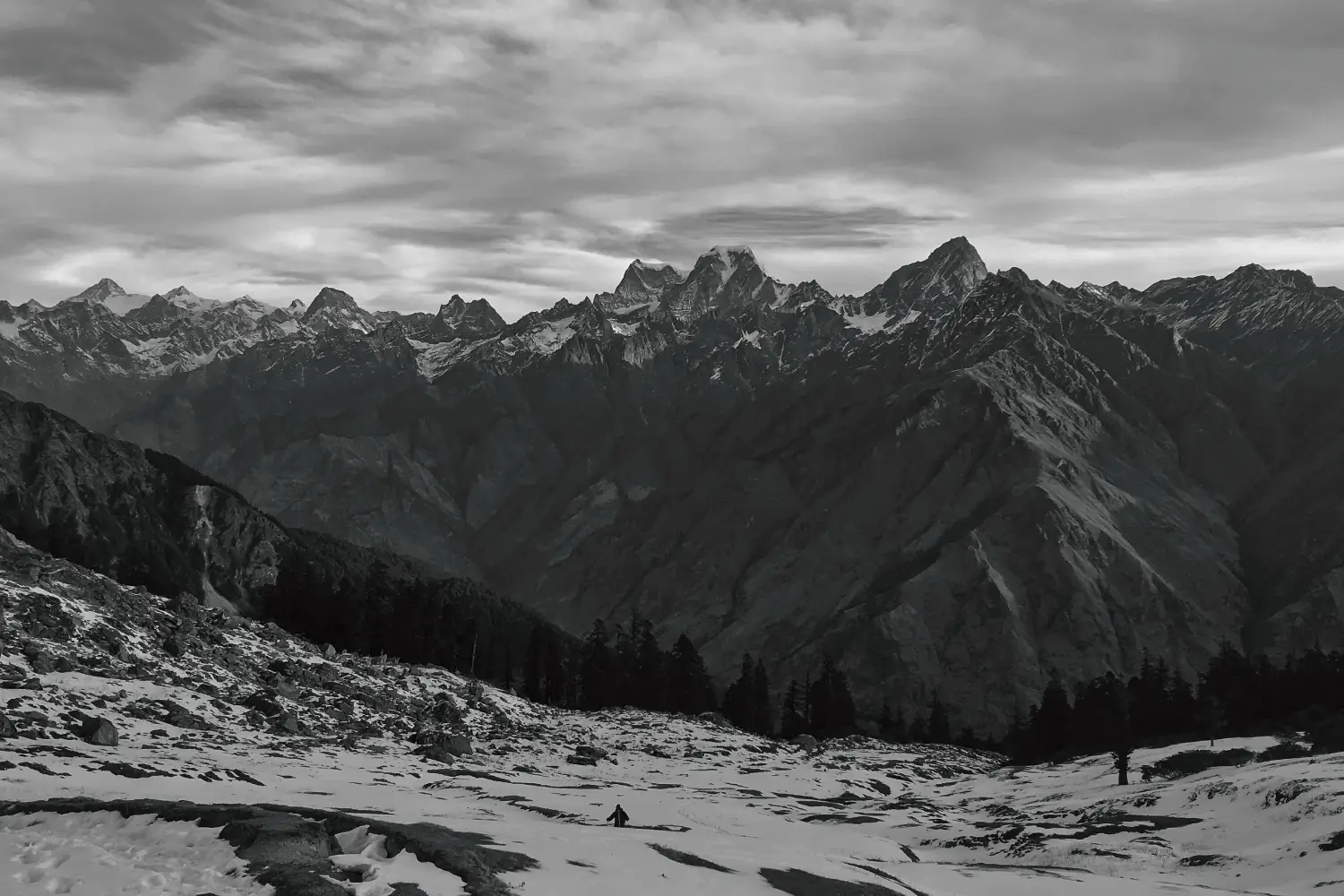
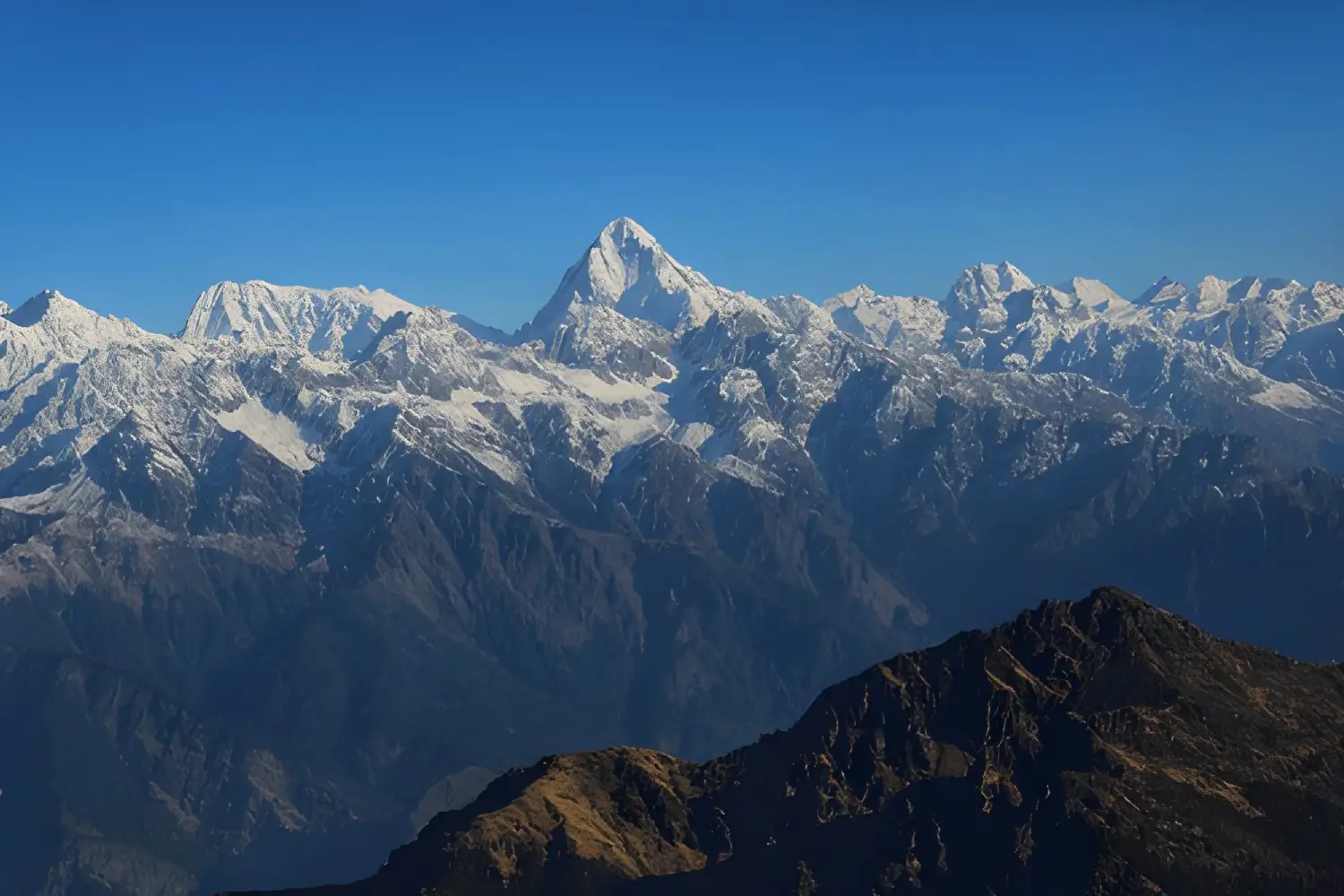
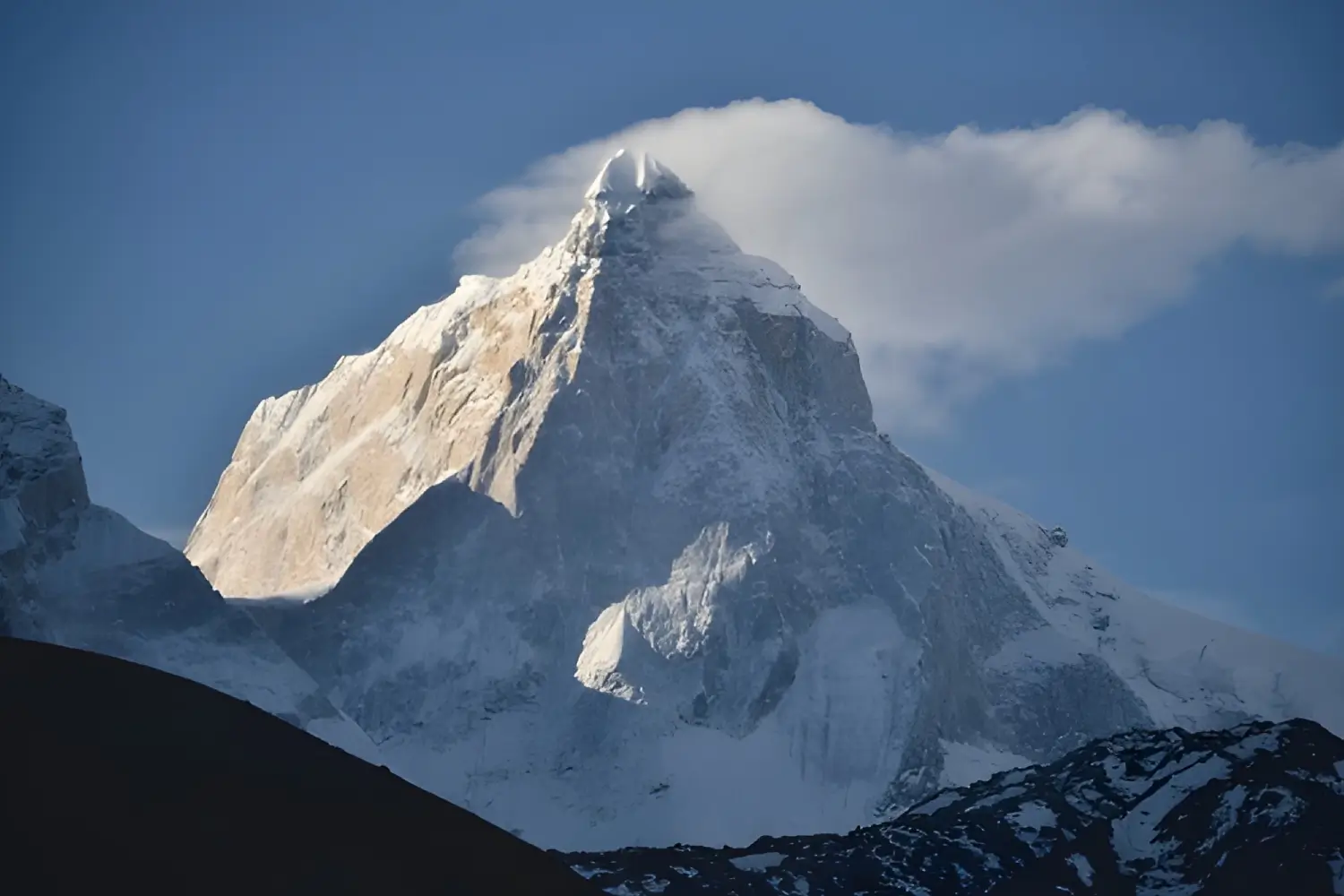
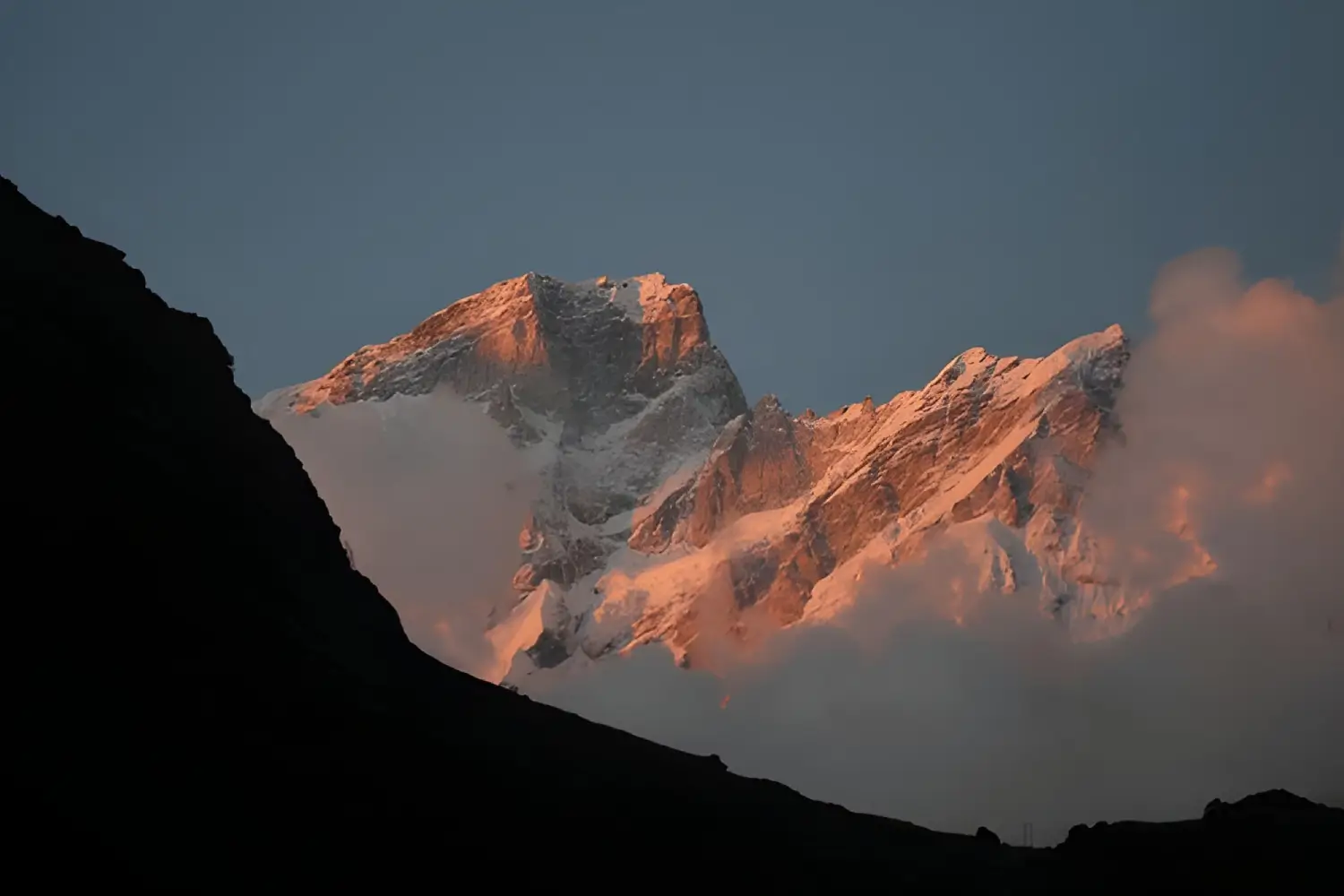
Stop following the crowds to Everest. Chase your next big Himalayan summit in India. From beginner - friendly Friendship Peak to the 7000ers Nun and Kun, climb with IMF - certified guides, premium gear, and a team that gets you truly summit-ready. Your Himalayan story begins here!
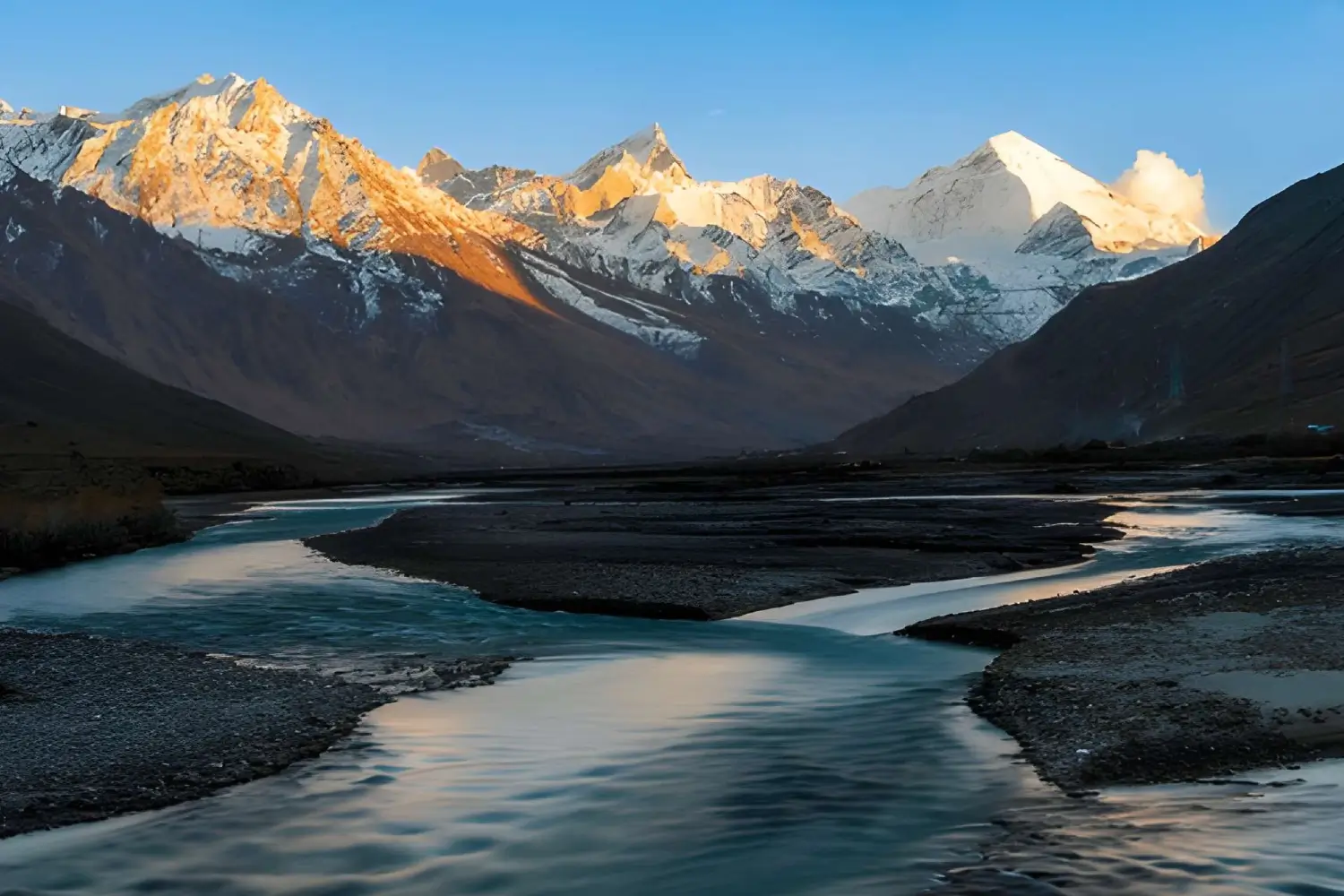
Standing at 7,077 m, Mount Kun is the second - highest peak in Ladakh's Suru Valley. It offers an excellent expedition
Starting from $ 3885 / Per person
Located on the Kinnaur - Spiti border, Mount Manirang (6,593 m) is one of the highest climbable peaks in Himachal Pradesh and is often hailed as the “Crown of Spiti Valley.”
Starting from $ 1435 / Per person
Mt. Changabang, literally translating to the 'Shining Mountain,' is one of the Garhwal Himalaya's most challenging and iconic peaks.
Starting from $ 4965 / Per person
Pangarchulla Peak Climbing is one of the most exciting mountain adventures in Uttarakhand. The peak, standing at 4593 m/15,069 ft in the Garhwal Himalayas, is known for its steep ascent and stunning Himalayan views.
Starting from $ 885 / Per person
Rising in the western Garhwal Himalayas, Thalay Sagar is a peak that tests the skill and endurance of even experienced mountaineers.
Starting from $ 4850 / Per person
The Kedarnath Peak Climbing Expedition (6,940 m / 22,769 ft) is among Uttarakhand's most demanding adventures and a coveted goal for seasoned mountaineers.
Starting from $ 4185 / Per person
One of the most exquisite adventures, peak climbing is all about conquering sharp peaks and braving the challenges posed by the rigorous and rough terrains of mountainous regions. Gradually becoming a favorite sport among adventure aficionados, peak climbing demands extreme courage, physical endurance, and mental strength to reach the summit. Offering a stunning array of high mountain peaks, mesmerizing scenic beauty, and deep wilderness, the Indian Himalayas are an ideal choice for those seeking an exciting and thrilling journey - witnessing breathtaking views and overcoming the challenges of rough terrain.
The regions of Sikkim, Himachal Pradesh, Jammu & Kashmir, and Uttarakhand are among the best destinations in India for mountain climbing expeditions. These regions present unmatched challenges - walking over glacial beds, crossing rocky moraines, climbing steep rock faces, and ascending near - vertical slopes. A peak climbing adventure here also provides opportunities to witness the spellbinding beauty of verdant oak and pine forests, high - altitude alpine meadows, rhododendron bushes, bubbling streams, and enchanting glacial lakes. Some of the toughest peaks to climb in these areas include Mount Shivling, Kedar Dome, the Bhagirathi group of peaks, Mount Kamet, Mount Satopanth, and Mount Trishul.
The ideal climbing windows are May to June and September to October in Uttarakhand, Himachal Pradesh and Sikkim. July to September is the best time for peak climbing in Ladakh and Jammu and Kashmir. These months provide stable weather, clearer skies, and firmer snow conditions, making both summit attempts and acclimatization smoother.
Winter ascents (December - February) are possible on select peaks but require advanced experience due to harsher temperatures and technical challenges.
Focus on cardio, leg strength, endurance hikes, and backpack training. Any high-altitude trekking experience helps, but beginner peaks include gear training on the mountain.
Friendship Peak, Kang Yatse II, Black Peak, and (historically) Stok Kangri, though Stok Kangri is currently restricted.
Yes. Peaks like Kedarkantha and Friendship Peak are great for first-time climbers.
Not for beginner - friendly peaks. Technical climbs require basic ropework and glacier experience.
Most Himalayan climbing itineraries run 7 - 15 days depending on altitude, technicality, and acclimatization requirements.
Typically, between 3,800 m and 6,500 m, with several advanced peaks rising above 7,000 m.
Yes. Permits are issued by the Indian Mountaineering Foundation (IMF) and regional authorities.
The Indian Mountaineering Foundation is the authority that issues climbing permits in India.
A passport copy, medical certificate, team details, expedition route plan, and other basic forms are required for IMF to issue permits.
Yes, international climbers are welcome, provided they obtain the required permits and clearances.
Yes. Some high-altitude zones require additional defense or border permissions.
Kedarkantha and Friendship Peak are often recommended as beginner peaks.
Nun, Kun, and Black Peak are among the toughest Indian climbs.
Tent accommodation, mess tents, and freshly prepared high-energy meals designed for high-altitude conditions.