12 Most Beautiful High-Altitude Lake Treks in India
High - altitude lake treks in India combine dramatic Himalayan landscapes with rare natural features found only at extreme elevations. Scattered across Sikkim, Uttarakhand, and Himachal Pradesh, these lakes sit above 4,300 metres and are shaped by glaciers, ancient river systems, and long - standing pilgrimage routes.
Some of these lakes demand multi - day expeditions through remote mountain terrain, while others can be reached via short treks or high - altitude roads. What unites them is scale: thin air, wide horizons, and environments that feel far removed from everyday travel. From turquoise lakes set in cold deserts to glacial bowls surrounded by towering peaks, each route offers a distinct Himalayan experience.
This curated list focuses on ten of the most visually striking and rewarding high - altitude lake treks in India, chosen for landscape quality, trekking value, and accessibility across different experience levels.
High Altitude Lake Treks at a Glance
| Lake | Elevation | Region | Difficulty | Best Season |
|---|---|---|---|---|
| Tso Lhamo | 5,486 m | Sikkim | Very Difficult | Oct - Nov |
| Gurudongmar | 5,243 m | Sikkim | Moderate - Difficult | Oct - Nov |
| Roopkund | 5,029 m | Uttarakhand | Moderate - Difficult | May - Jun, Sep - Oct |
| Green Lake | 4,935 m | Sikkim | Very Difficult | Apr - May, Oct - Nov |
| Suraj Tal | 4,883 m | Himachal Pradesh | Easy (Road Access) | Jun - Sep |
| Kedar Tal | 4,750 m | Uttarakhand | Moderate - Difficult | May - Jun, Sep - Oct |
| Vasuki Tal | 4,730 m | Uttarakhand | Moderate - Difficult | Jun - Sep |
| Tso Kar | 4,620 m | Ladakh | Difficult | Jun - Sep |
| Satopanth | 4,600 m | Uttarakhand | Difficult | Jun - Sep |
| Pangong Tso | 4,350 m | Ladakh | Easy - Moderate | May - Jun, Sep |
Tso Lhamo Lake Trek - North Sikkim
Altitude : 5,486 m

Tso Lhamo is the highest lake in India and one of the most extreme high - altitude destinations open to civilian travel. Located in North Sikkim near the Tibet border, the lake sits in a stark, windswept landscape shaped by glacial erosion and thin air. The approach involves travelling through remote terrain beyond Lachung, followed by limited walking at very high elevation.
The setting is dramatic rather than lush: brown plateaus, snow - lined ridges, and a deep blue lake that feels isolated even by Himalayan standards. Oxygen levels here drop sharply, making acclimatisation essential. Due to restricted access and altitude exposure, this trek is suited only for experienced high - altitude travellers.
Trek Highlights :- Difficulty : Very Difficult
- Access : Restricted road + short walk
- Best Time : October - November
- Why it stands out : Highest lake in India, extreme altitude environment
Gurudongmar Lake Trek - North Sikkim
Altitude : 5,243 m
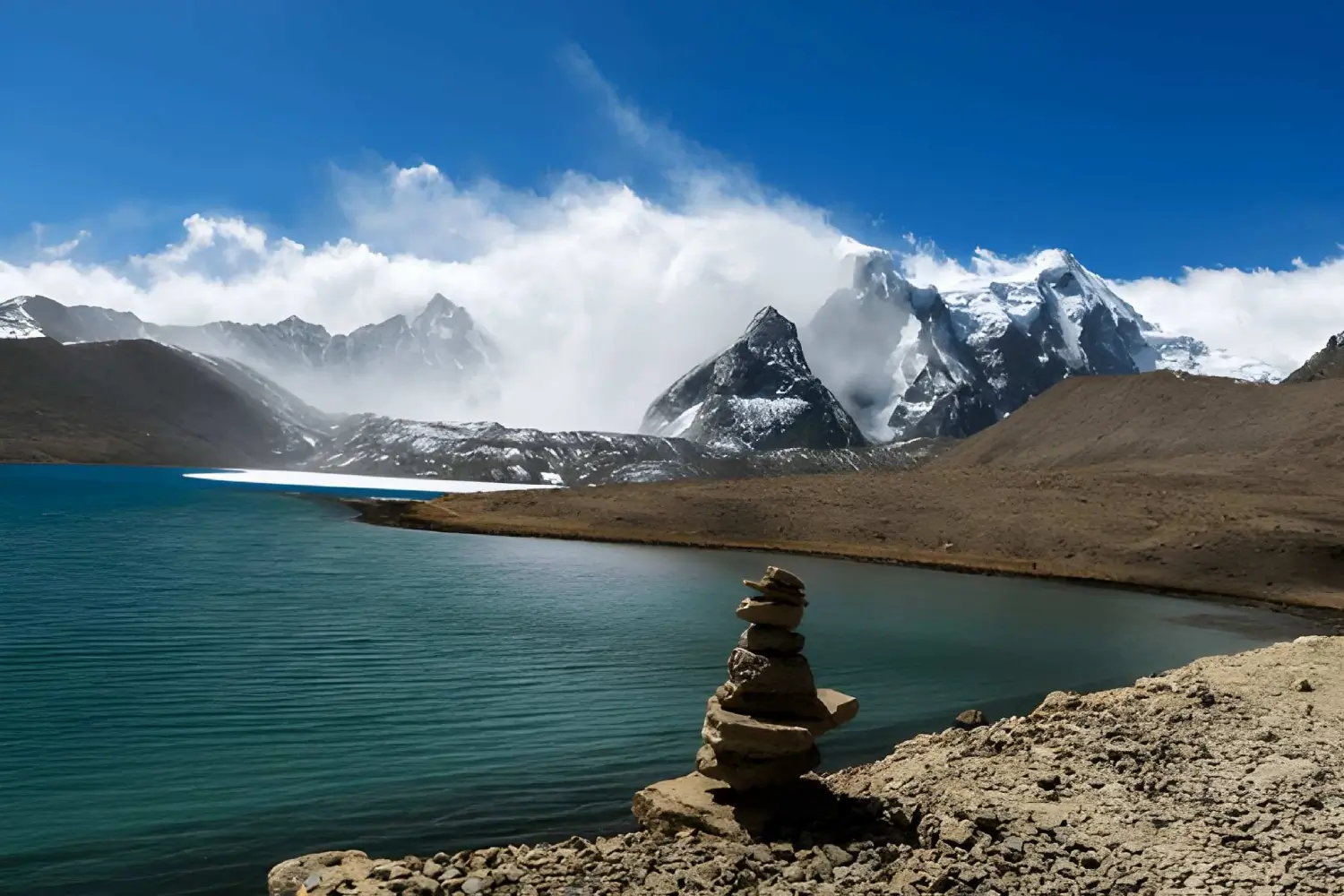
Gurudongmar Lake is one of the most sacred and visually striking high - altitude lakes in the Indian Himalayas. Located in North Sikkim, the lake sits within a wide glacial basin surrounded by snow - covered peaks and open high - altitude plains. Despite its elevation, the route is comparatively accessible via Lachen, making it one of the most visited lakes above 5,000 metres.
The lake holds deep spiritual significance for Sikh and Buddhist communities, adding cultural depth to the journey. A portion of the lake remains unfrozen even during peak winter, enhancing its mystique. The combination of religious importance, vast landscapes, and extreme altitude makes Gurudongmar a powerful Himalayan experience.
Trek Highlights :- Difficulty : Moderate - Difficult
- Access : Road - based with acclimatization
- Best Time : October - November
- Why it stands out : Sacred lake above 5,200 m with dramatic open terrain
Roopkund Lake Trek - Uttarakhand
Altitude : 5,029 m
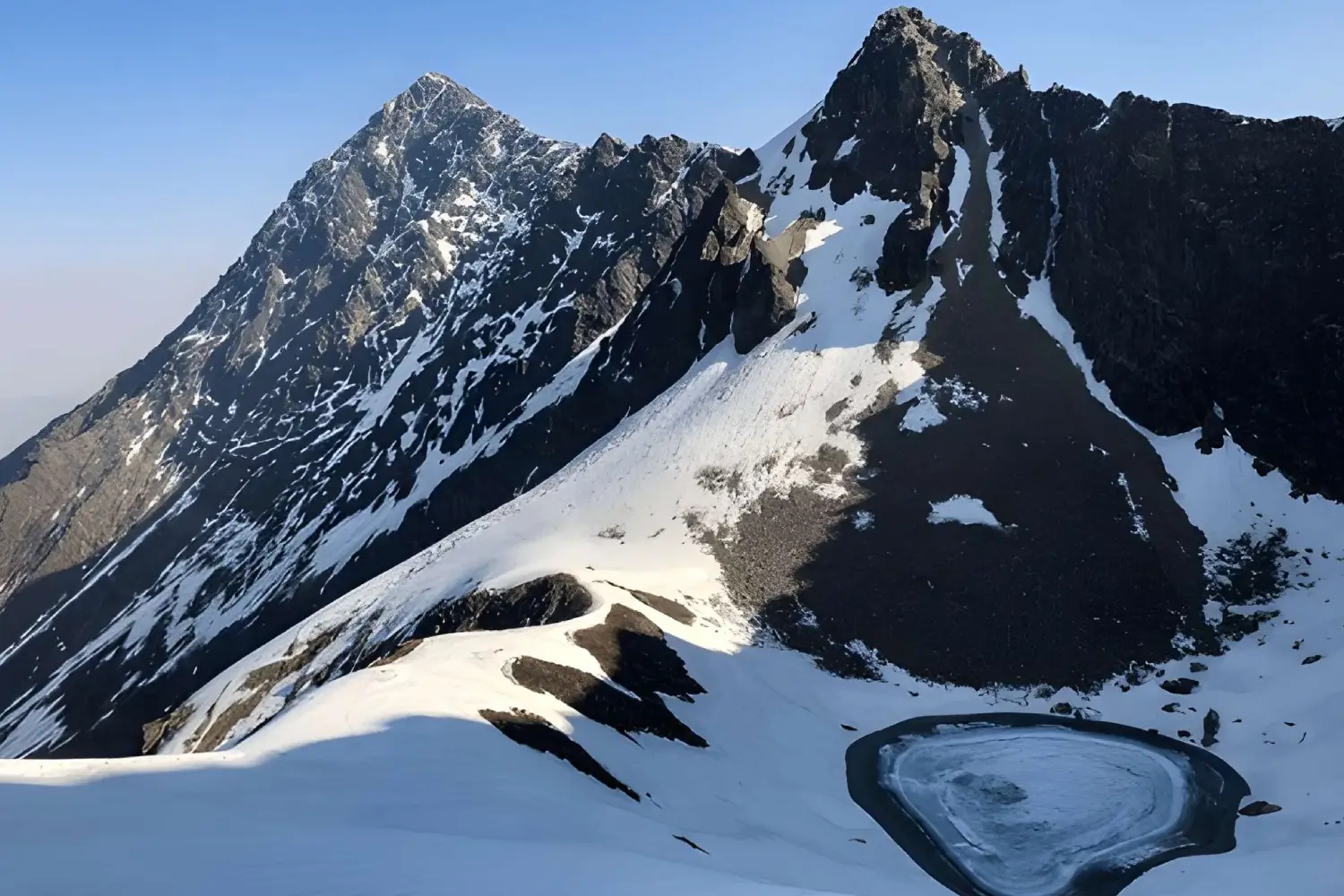
Roopkund, often referred to as the Skeleton Lake, is one of India's most intriguing high - altitude lake treks. Located in the Garhwal Himalayas, the trek climbs through alpine meadows and high ridges before reaching a small glacial lake set beneath the Trishul massif.
The route is visually rich, passing through well - known bugyals such as Ali and Bedni, which contrast sharply with the barren terrain near the lake. Roopkund is known for ancient skeletal remains visible when snow melts, adding a layer of historical mystery to the trek. The climb demands good fitness but remains achievable for trekkers with prior mountain experience.
Trek Highlights :- Difficulty : Moderate - Difficult
- Access : Multi - day trek
- Best Time : May - June, September - October
- Why it stands out : High - altitude meadows, glacial lake, and historical intrigue
Green Lake Trek - 4,935 Meters (North Sikkim)
Altitude : 4,935 m
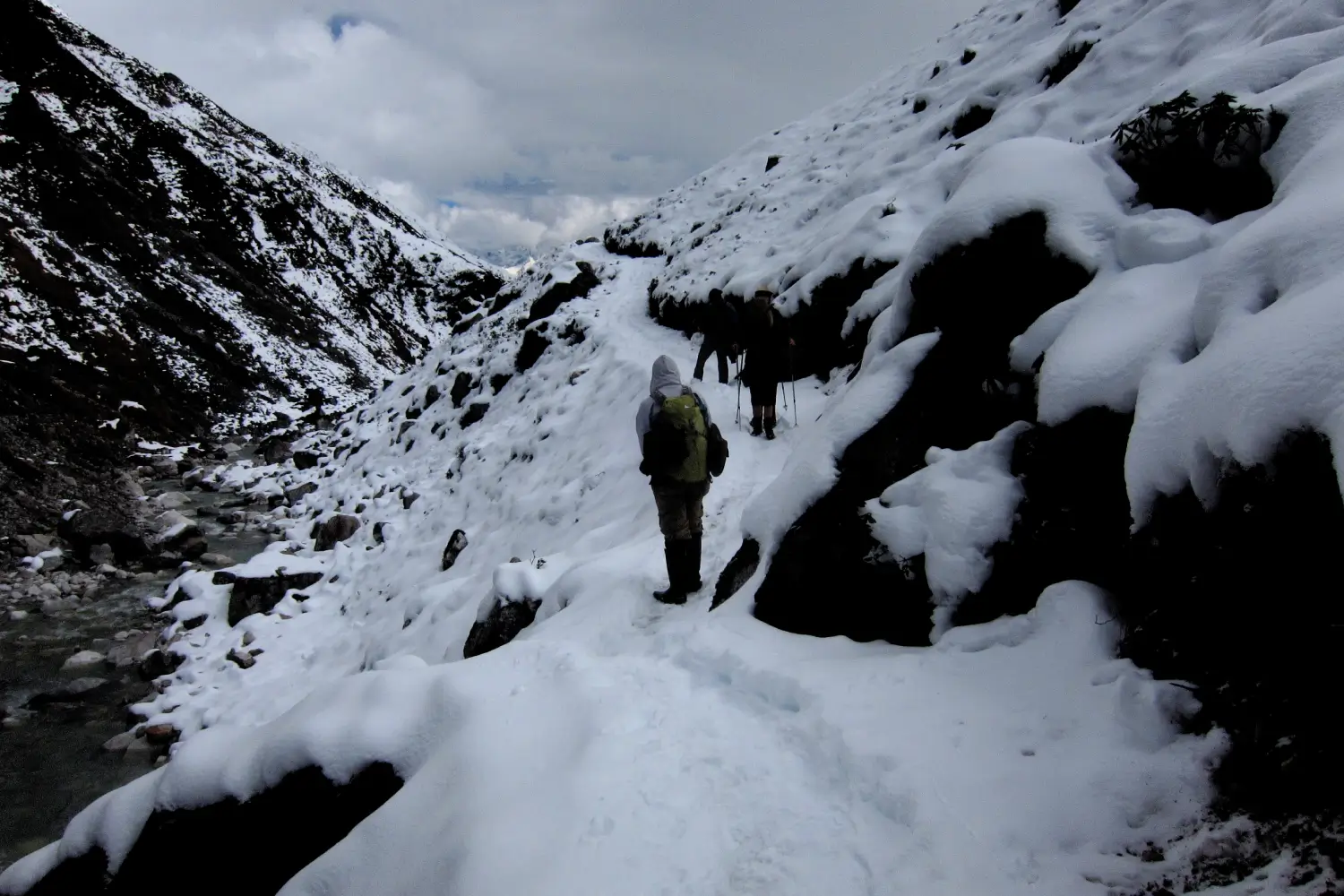
The Green Lake Trek is one of the most remote and demanding high - altitude lake treks in India. Located deep within North Sikkim's Zemu Valley, the route offers the closest civilian approach to the Kanchenjunga massif, India's highest mountain. The journey unfolds through dense forests, river valleys, and glacial terrain, with long walking days and no permanent settlements beyond the last access point.
The lake itself sits in a vast alpine bowl, surrounded by towering peaks and glaciers that dominate the horizon. Isolation is a defining feature here; the trail sees very few trekkers even during peak season. Due to distance, altitude, and permit requirements, Green Lake is suitable only for well - prepared trekkers with prior high - altitude experience.
Trek Highlights :- Difficulty : Very Difficult
- Access : Multi - day expedition trek
- Best Time : April - May, October - November
- Why it stands out : Closest trekking access to Kanchenjunga
Suraj Tal - Himachal Pradesh
Altitude : 4,883 m
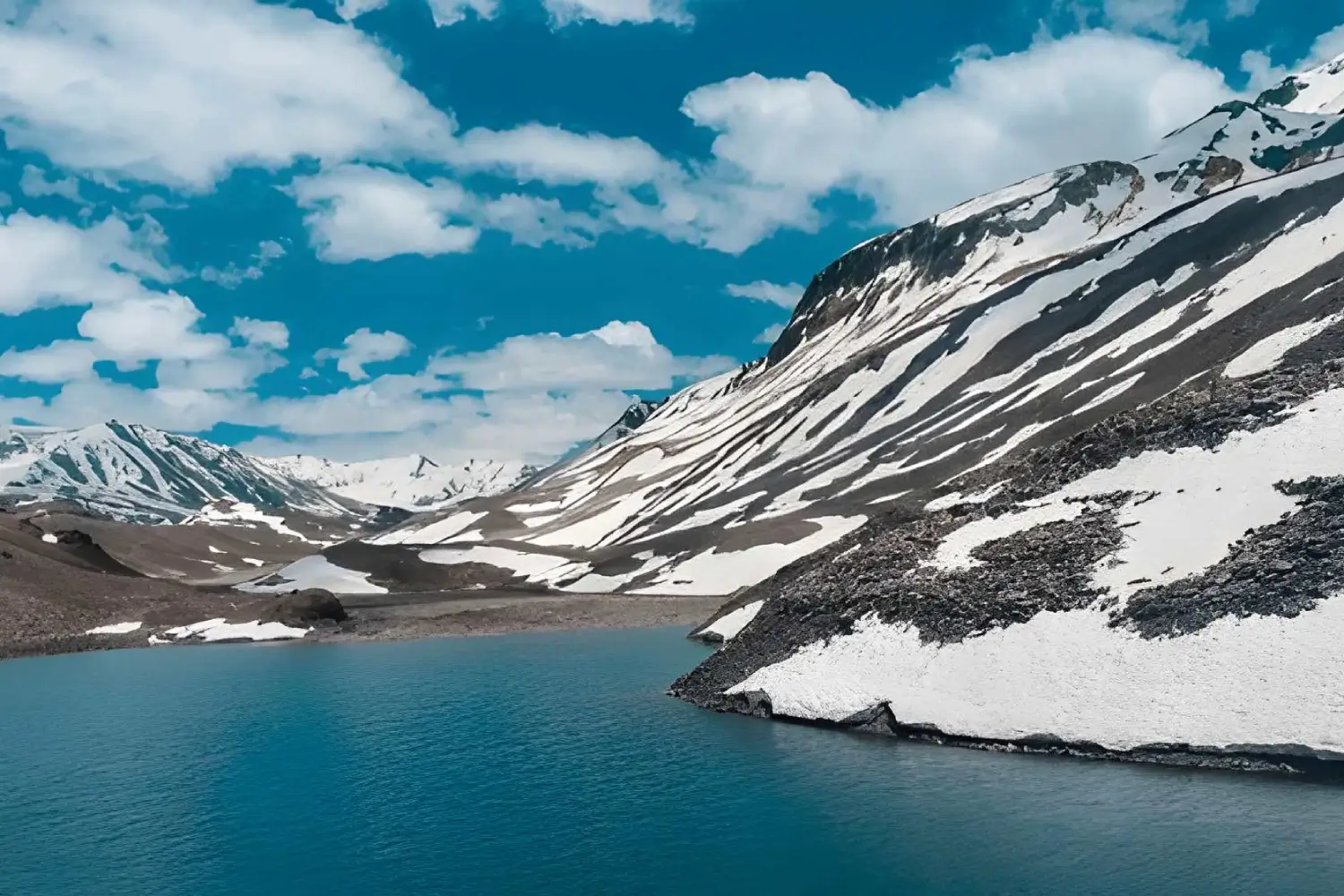
Suraj Tal, meaning “Lake of the Sun God,” is the highest lake in Himachal Pradesh and one of the most accessible high - altitude lakes in India. Located just below Baralacha Pass on the Manali - Leh highway, the lake can be reached by road, making it a popular stop for travellers crossing into Lahaul and Ladakh.
Despite its accessibility, the setting remains stark and impressive. Surrounded by the Zanskar range, Suraj Tal sits in a glacial basin fed by snowmelt and serves as the source of the Bhaga River. Sudden weather changes and altitude exposure make acclimatisation essential, even without trekking. Suraj Tal works well as an introduction to extreme altitude environments for travellers new to high Himalayan terrain.
Trek Highlights :- Difficulty : Easy (road access)
- Access : Motorable road
- Best Time : June - September
- Why it stands out : Highest lake in Himachal with road access
Kedar Tal Trek - Uttarakhand
Altitude : 4,750 m
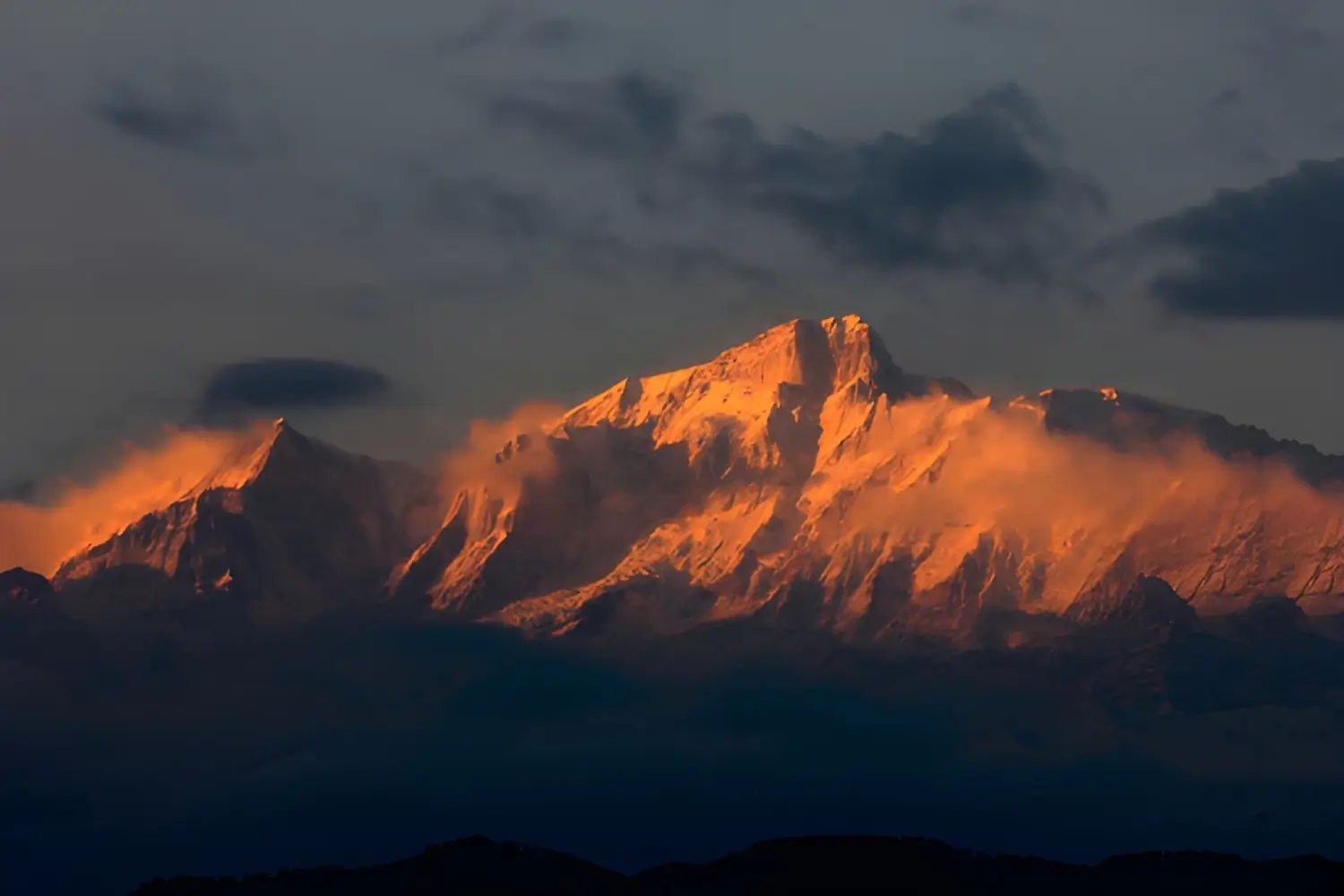
Kedar Tal is one of the most challenging high - altitude lake treks in Uttarakhand, located above Gangotri in the Garhwal Himalayas. The route climbs steeply from the pilgrimage town, gaining altitude quickly as it moves from forested trails into barren glacial terrain.
The lake sits beneath an impressive ring of peaks, including Thalay Sagar and Meru, creating one of the most dramatic alpine settings in the region. Unlike meadow - heavy routes, this trek emphasizes rugged terrain and sustained effort. Short in distance but intense in ascent, Kedar Tal demands strong fitness and prior trekking experience. The reward is a pristine glacial lake set in a powerful, high - mountain amphitheater.
Trek Highlights :- Difficulty : Moderate - Difficult
- Access : Steep multi - day trek
- Best Time : May - June, September - October
- Why it stands out : Dramatic peak - ringed glacial lake
Vasuki Tal Trek - 4,730 Meters (Uttarakhand Garhwal)
Altitude : 4,730 m
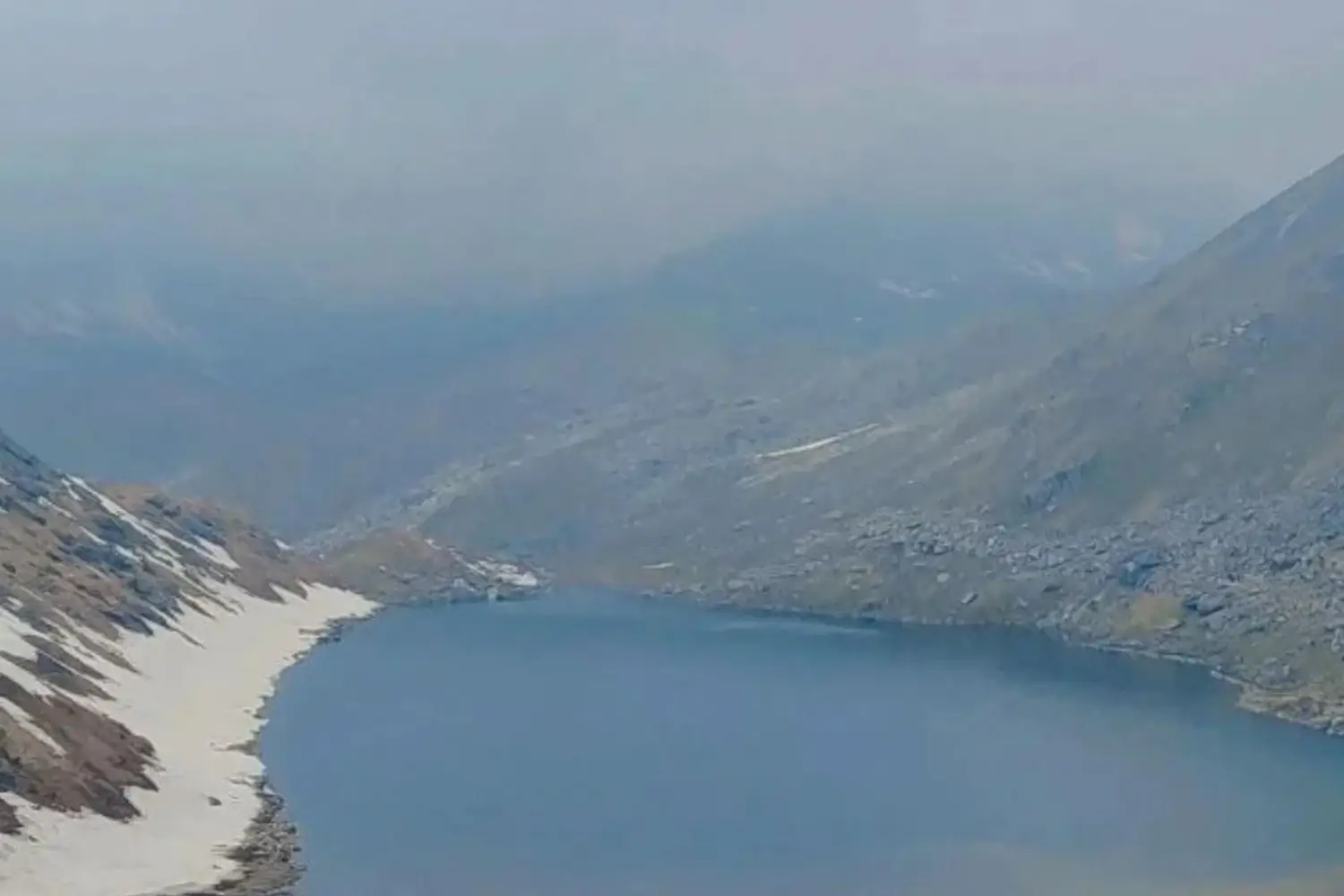
Vasuki Tal is a high - altitude glacial lake located above Badrinath in the Garhwal Himalayas, often approached as part of the challenging Kalindi Khal route. The standalone trek to the lake begins from Mana village and climbs through barren valleys and moraines, with the landscape growing increasingly stark as altitude increases.
The lake lies in a dramatic alpine basin surrounded by towering peaks, including Mount Shivling, the Bhagirathi group, and Chaukhamba. Unlike more popular Garhwal routes, Vasuki Tal remains quiet and demanding, rewarding trekkers with solitude and scale rather than variety. The terrain involves long ascents and loose rock, making it suitable for experienced trekkers comfortable with sustained high - altitude exposure.
Trek Highlights :- Difficulty : Moderate - Difficult
- Access : Multi - day trek from Badrinath
- Best Time : June - September
- Why it stands out : High - altitude setting beneath iconic Garhwal peaks
Tso Kar Lake - Ladakh
Altitude : 4,620 m
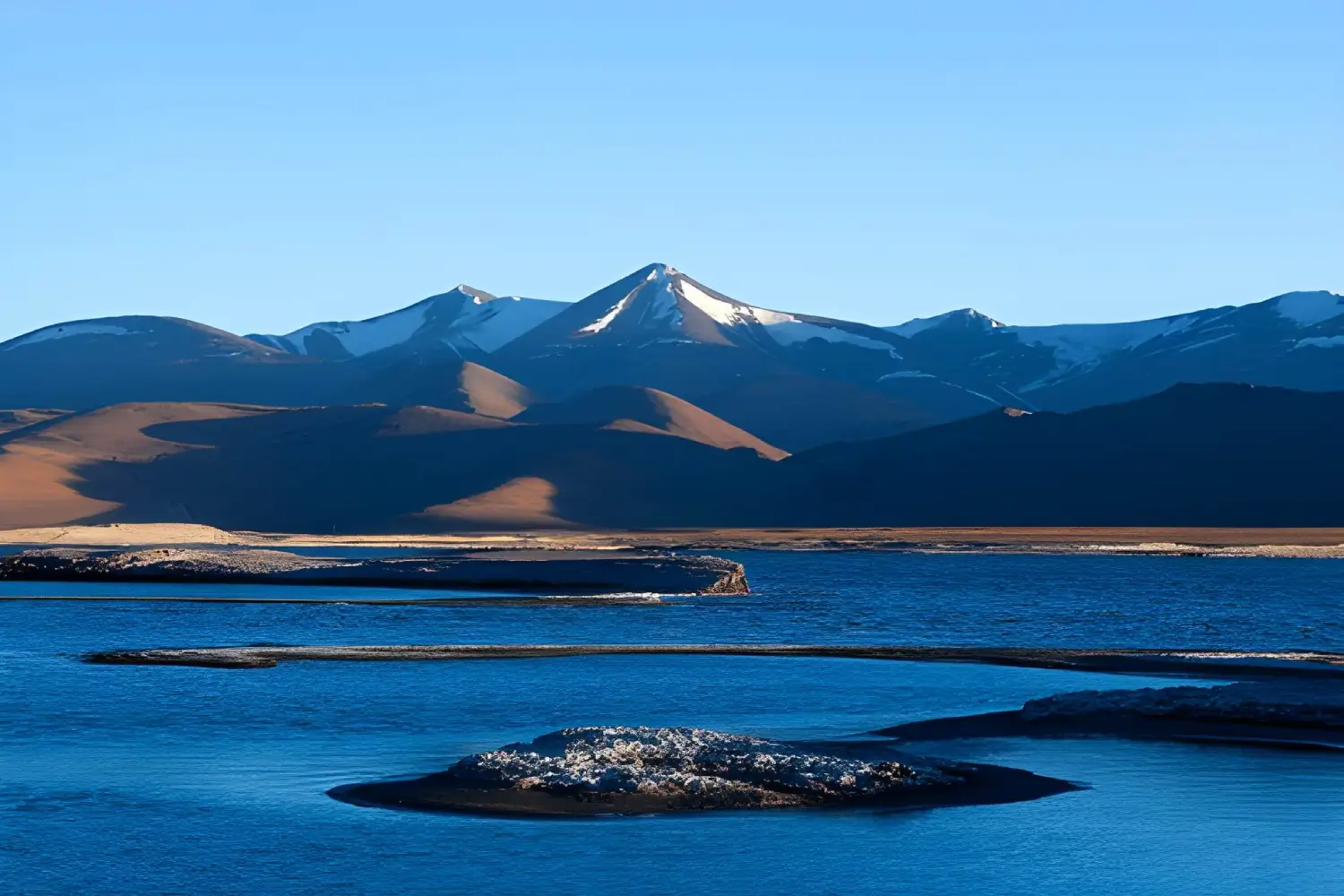
Tso Kar, meaning “White Lake” is a striking high - altitude lake located in Ladakh's Rupshu Valley. Unlike freshwater alpine lakes, Tso Kar is brackish and surrounded by salt flats that create a distinctive pale landscape against the brown hills of the Changthang plateau.
The region is known for its open terrain and expansive skies rather than vertical peaks. Tso Kar is accessible by road, but the isolation and altitude create a strong sense of remoteness. The lake lies within an important wetland zone and is often visited by travellers interested in trans - Himalayan landscapes rather than traditional trekking routes. Sudden weather shifts and strong winds are common, reinforcing the need for acclimatisation.
Trek Highlights :- Difficulty : Difficult (altitude exposure)
- Access : Road - based with limited walking
- Best Time : June - September
- Why it stands out : Salt Lake ecosystem in Ladakh's cold desert
Satopanth Lake Trek - Uttarakhand
Altitude : 4,600 m
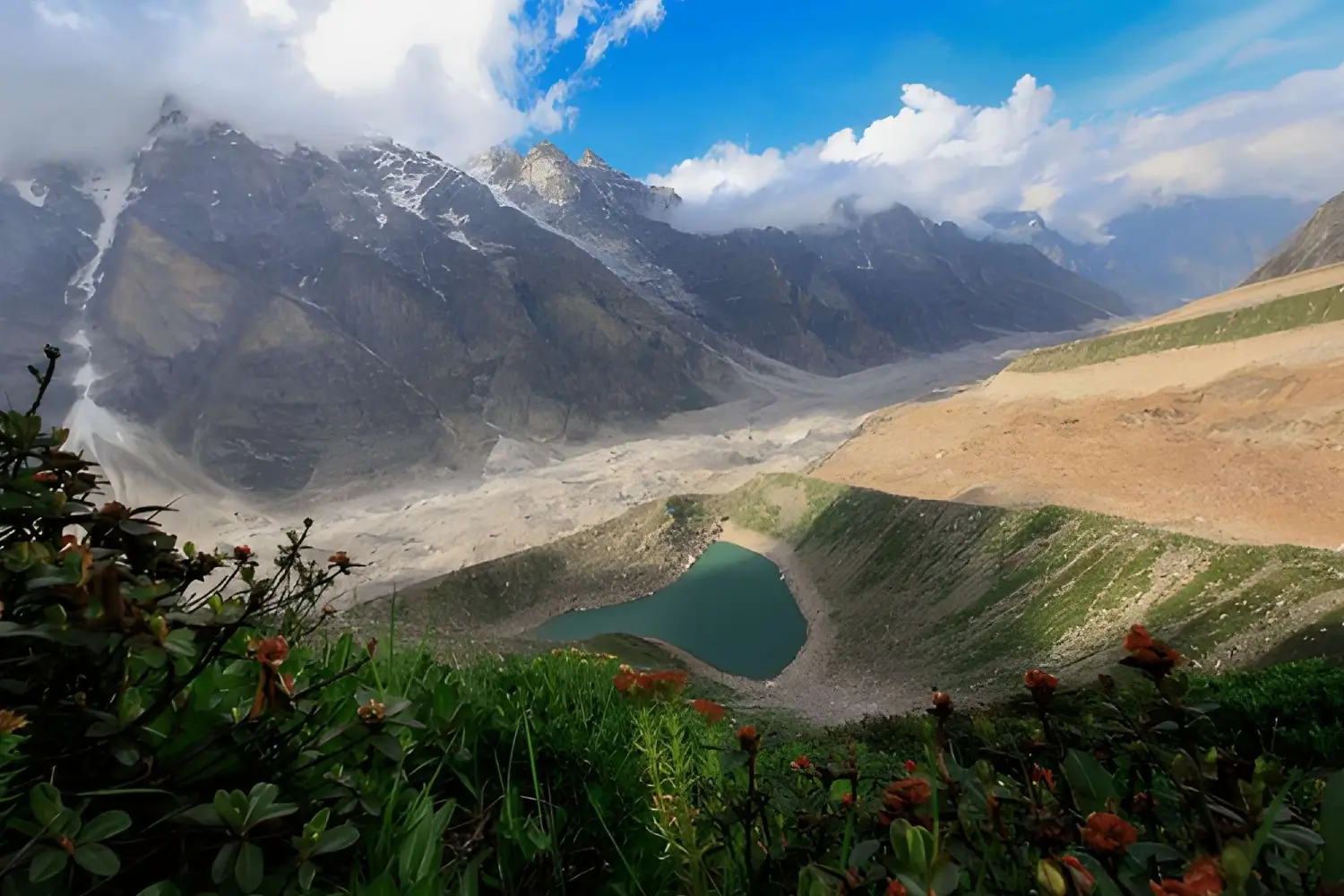
Satopanth Lake is one of the most challenging and spiritually significant high - altitude lake treks in Uttarakhand. Reached via Mana village near Badrinath, the route involves crossing moraines and glacier sections before arriving at a triangular glacial lake set beneath towering Himalayan peaks.
The terrain is technical in sections and demands careful navigation, particularly near the glacier crossing. Peaks such as Nilkantha and Chaukhamba dominate the skyline, creating a dramatic backdrop. Satopanth is not a trek for casual walkers; it suits trekkers with prior high - altitude experience who are comfortable with exposed terrain and long days. The reward is a remote, powerful setting that feels far removed from more accessible Garhwal routes.
Trek Highlights :- Difficulty : Difficult
- Access : Technical multi - day trek
- Best Time : June - September
- Why it stands out : Remote glacial lake with strong alpine presence
Tso Moriri Lake - 4,595 Meters (Ladakh Changthang)
Altitude : 4,595 m
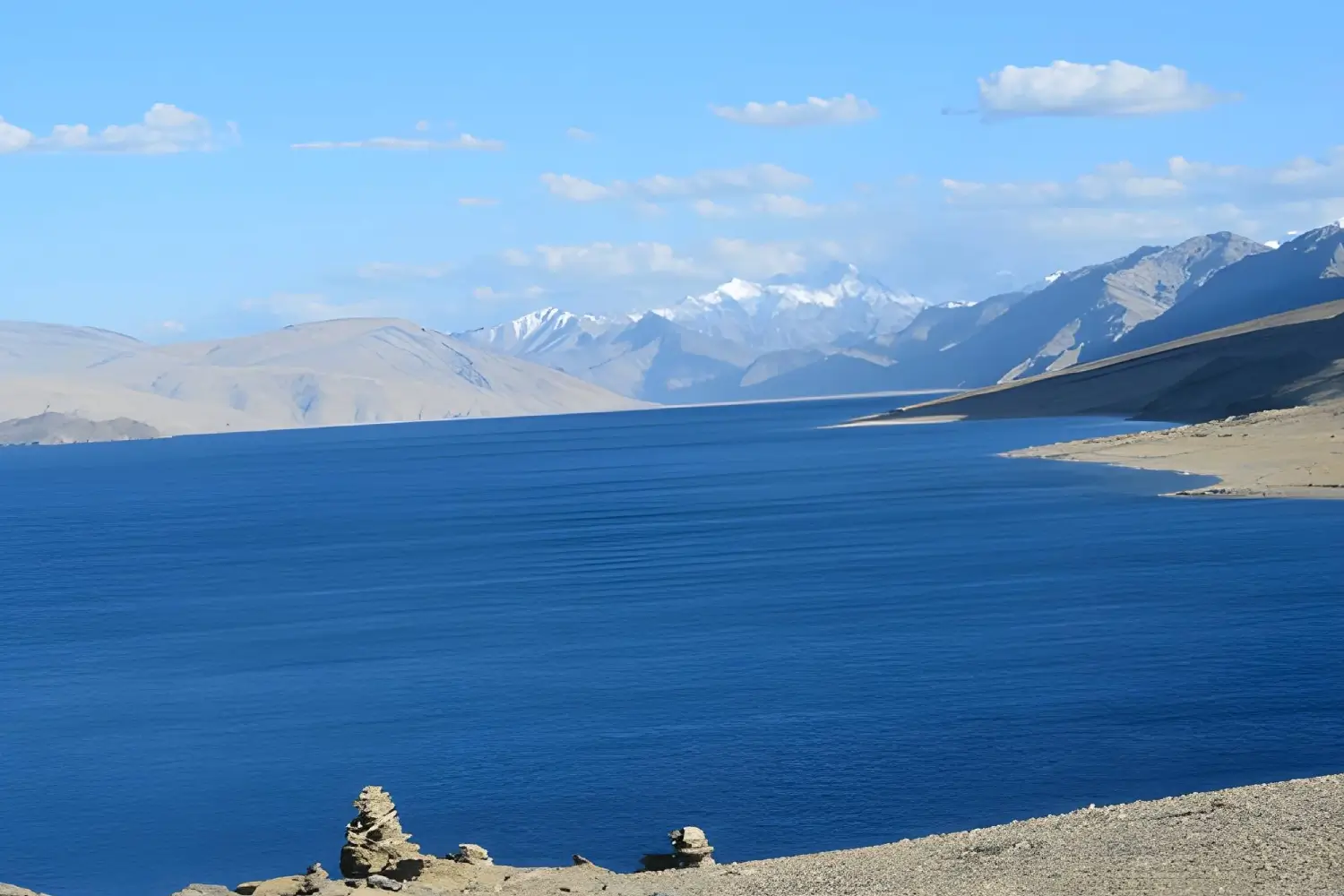
Tso Moriri is one of the largest and most visually impressive high-altitude lakes in India, located in Ladakh's remote Changthang region. Set within a wide alpine basin, the lake is surrounded by barren mountains and open plains that create a powerful sense of space and isolation.
The journey to Tso Moriri involves a long drive from Leh, passing through high passes and sparsely inhabited valleys before reaching Korzok village near the lake. While accessible by road, altitude exposure remains significant. Compared to Pangong, Tso Moriri is quieter and less commercial, appealing to travellers who prefer expansive landscapes and minimal crowd presence.
Trek Highlights :- Difficulty : Easy - Moderate
- Access : Road - based
- Best Time : June - September
- Why it stands out : Large, quieter alpine lake in the Changthang plateau
Kiagar Tso Lake - Ladakh
Altitude : 4,500 m
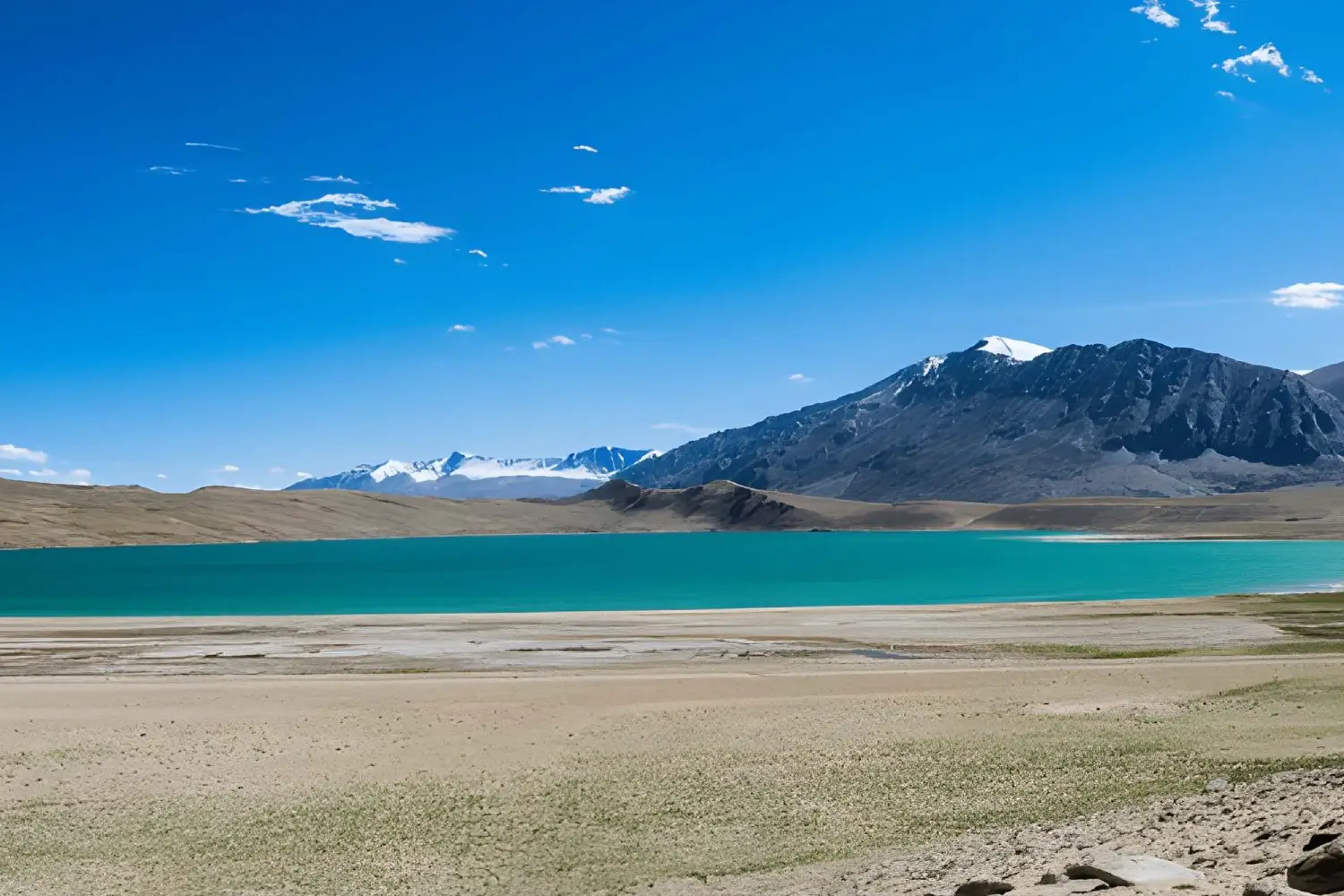
Kiagar Tso is one of Ladakh's least visited high - altitude lakes, located in the remote Rupshu Valley away from mainstream travel routes. Smaller and quieter than Tso Moriri or Pangong, the lake sits within a stark cold - desert landscape shaped by wide plateaus, minimal vegetation, and expansive skies.
Access involves rough motorable tracks branching off the Leh - Manali highway, followed by short walking sections near the lake. The isolation and absence of facilities make Kiagar Tso suitable for travellers who prefer offbeat locations and minimal crowds. Its calm waters and open surroundings create a strong sense of stillness that defines the trans - Himalayan experience.
Trek Highlights :- Difficulty : Moderate
- Access : Road - based with short walks
- Best Time : June - September
- Why it stands out : Quiet, offbeat lake in Ladakh's Rupshu region
Pangong Tso Lake - Ladakh
Altitude : 4,350 m
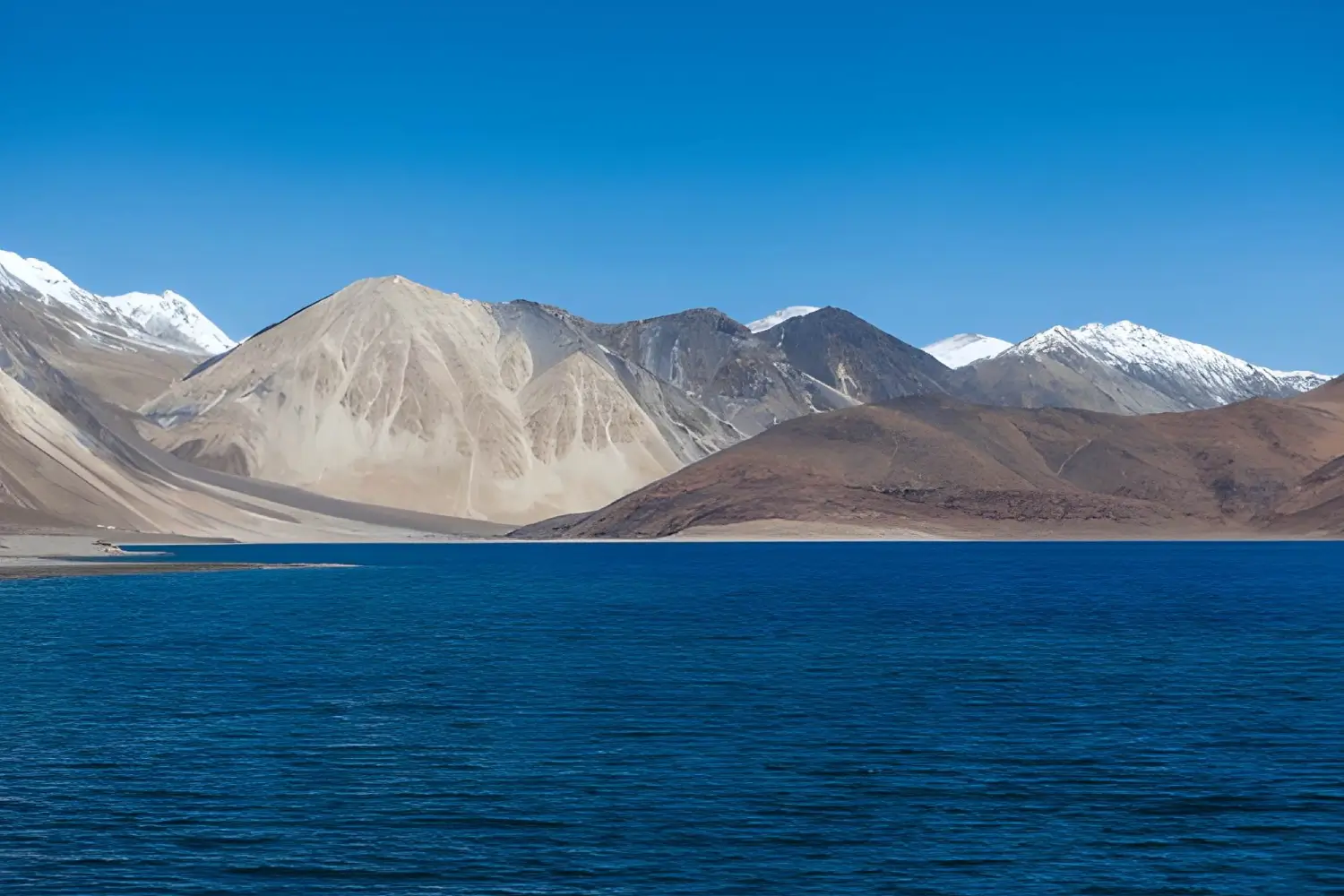
Pangong Tso is India's most recognisable high - altitude lake, known for its immense size and dramatic colour shifts. Stretching across eastern Ladakh toward the Tibet border, the lake changes shades from deep blue to turquoise and grey depending on light and weather conditions.
Access is via road from Leh over Chang La Pass, making Pangong more reachable than most lakes at this altitude. Despite its popularity, the open terrain and sheer scale of the lake preserve a strong sense of vastness. Early mornings and late evenings offer quieter moments when the landscape feels especially striking. Pangong Tso suits travellers seeking a high - altitude experience without a long trekking commitment.
Trek Highlights :- Difficulty : Easy - Moderate
- Access : Road - based with short walks
- Best Time : May - June, September
- Why it stands out : Vast colour - changing lake on Ladakh's high plateau
Permits & Best Time for High - Altitude Lake Treks in India
Most high-altitude lake treks in India require permits due to ecological sensitivity and proximity to international borders. In Sikkim, Protected Area Permits and Restricted Area Permits apply, and trekking must be arranged through registered operators. Ladakh requires Inner Line Permits for lakes such as Pangong Tso, Tso Kar, Tso Moriri, and Kiagar Tso. In Uttarakhand, forest permits and local registrations are mandatory for glacier - fed routes, while Himachal Pradesh generally allows access without special permits for road - linked lakes like Suraj Tal.
The most reliable trekking windows are May to June and September to October, when weather remains stable and mountain visibility is high. July and August are suitable mainly for Ladakh due to its rain - shadow location. Winter travel is limited to specialised routes and experienced trekkers because of extreme cold and road closures.
Who Should Choose High Altitude Lake Treks ?
- First - time high altitude travellers looking for exposure without long trekking days can consider lakes with road access or short walks, such as Pangong Tso and Suraj Tal.
- Trekkers with prior Himalayan experience who are comfortable with sustained climbs and altitude gain are well suited for routes like Roopkund, Kedar Tal, and Vasuki Tal.
- Experienced high-altitude trekkers seeking remoteness and expedition-style terrain will find routes such as Green Lake and Tso Lhamo more appropriate due to altitude, permits, and isolation.
- Landscape - focused travellers who prioritise vast open terrain and visual scale over steep ascents may prefer Ladakh's cold-desert lakes, including Tso Kar, Kiagar Tso, and Tso Moriri.
- Travelers with limited time but good acclimatisation can still experience high - altitude environments through accessible lakes that do not require multi-day trekking.
High-altitude lake treks in India offer a rare combination of dramatic landscapes, silence, and physical challenge. From remote glacial basins near the Kanchenjunga range to expansive cold-desert lakes in Ladakh, each route delivers a distinct Himalayan experience shaped by altitude and terrain.
Selecting the right lake trek depends on preparation, seasonal timing, and personal comfort at high elevation. Approached responsibly, these twelve routes represent some of the most visually striking and rewarding high-altitude journeys in the Indian Himalayas.
About Arun Joshi
A thoroughbred adventurer, Arun Joshi was born in the picturesque and landlocked district of Chamoli, Uttarakhand. He is well known for his close association with the Indian Himalayas for the past 16 years, and knows the region inside out. His vast knowledge and first-hand experience of trekking to the many challenging regions of the Indian Himalayas have also helped him to establish himself as the go-to guide in the region.
Recent Posts
5 Guided Treks in Uttarakhand to Try This Winter from January to March 2026
Feb 22, 2026
Famous Treks for Photography in the Indian Himalayas : A Visual Journey
Feb 10, 2026
15 Best Treks in Indian Himalaya for June and July
Jan 30, 2026
Top Treks in Sikkim To Make Your Summer 2026 Adventuresome
Jan 28, 2026
8 Best Monsoon Treks in the Indian Himalayas that You Must Do in 2026
Jan 15, 2026
Most Popular
8 Best Monsoon Treks in the Indian Himalayas that You Must Do in 2026
Jan 15, 2026
0 views
Top Treks in Sikkim To Make Your Summer 2026 Adventuresome
Jan 28, 2026
0 views
Famous Treks for Photography in the Indian Himalayas : A Visual Journey
Feb 10, 2026
0 views
5 Guided Treks in Uttarakhand to Try This Winter from January to March 2026
Feb 22, 2026
0 views
15 Best Treks in Indian Himalaya for June and July
Jan 30, 2026
0 views
Ultimate Himalayan Trekking Adventures Await
Join TrekkingInIndia.com for an unforgettable Himalayan journey through stunning mountains, peaceful valleys, and rich local culture.