Mount Shitidhar Climbing
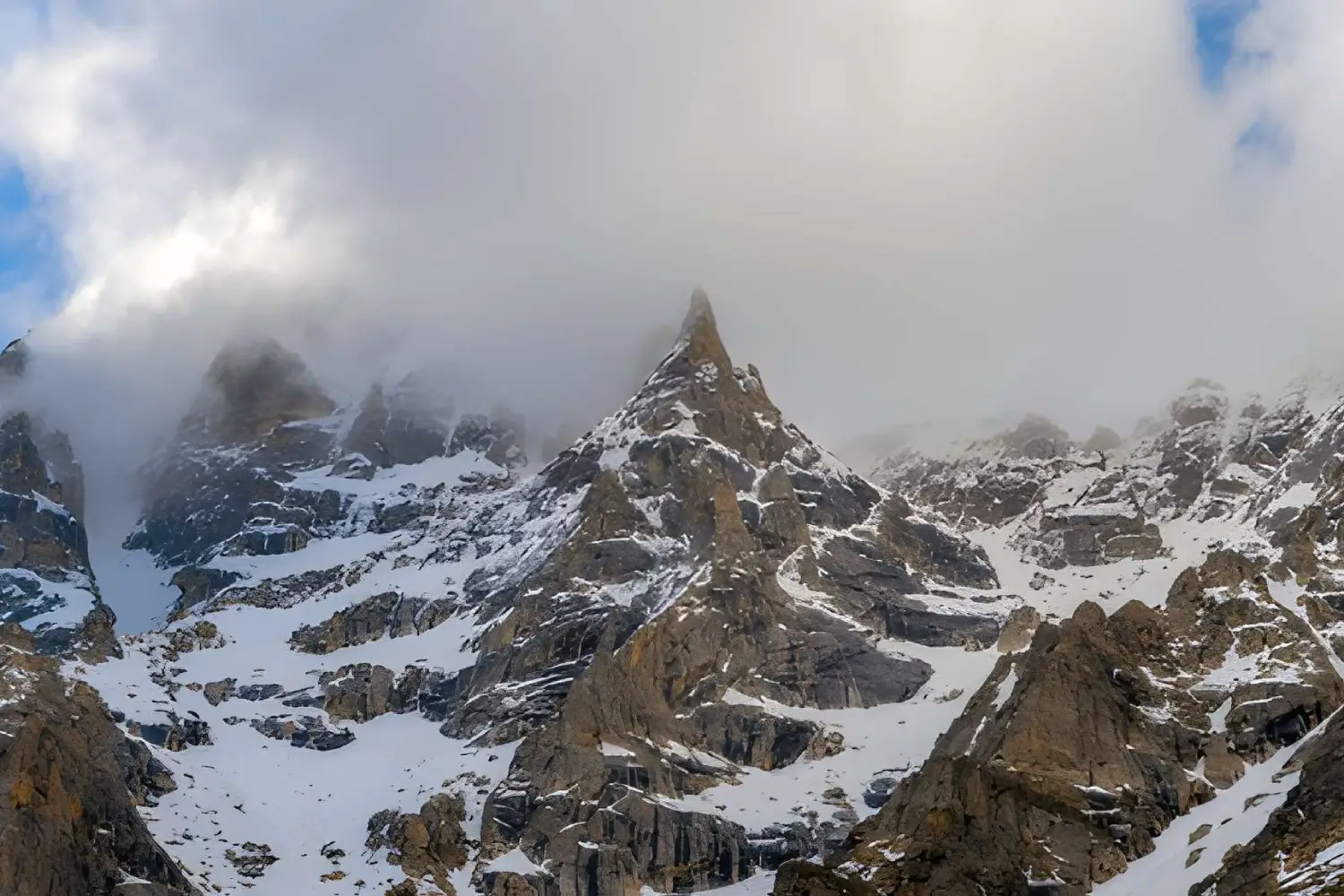
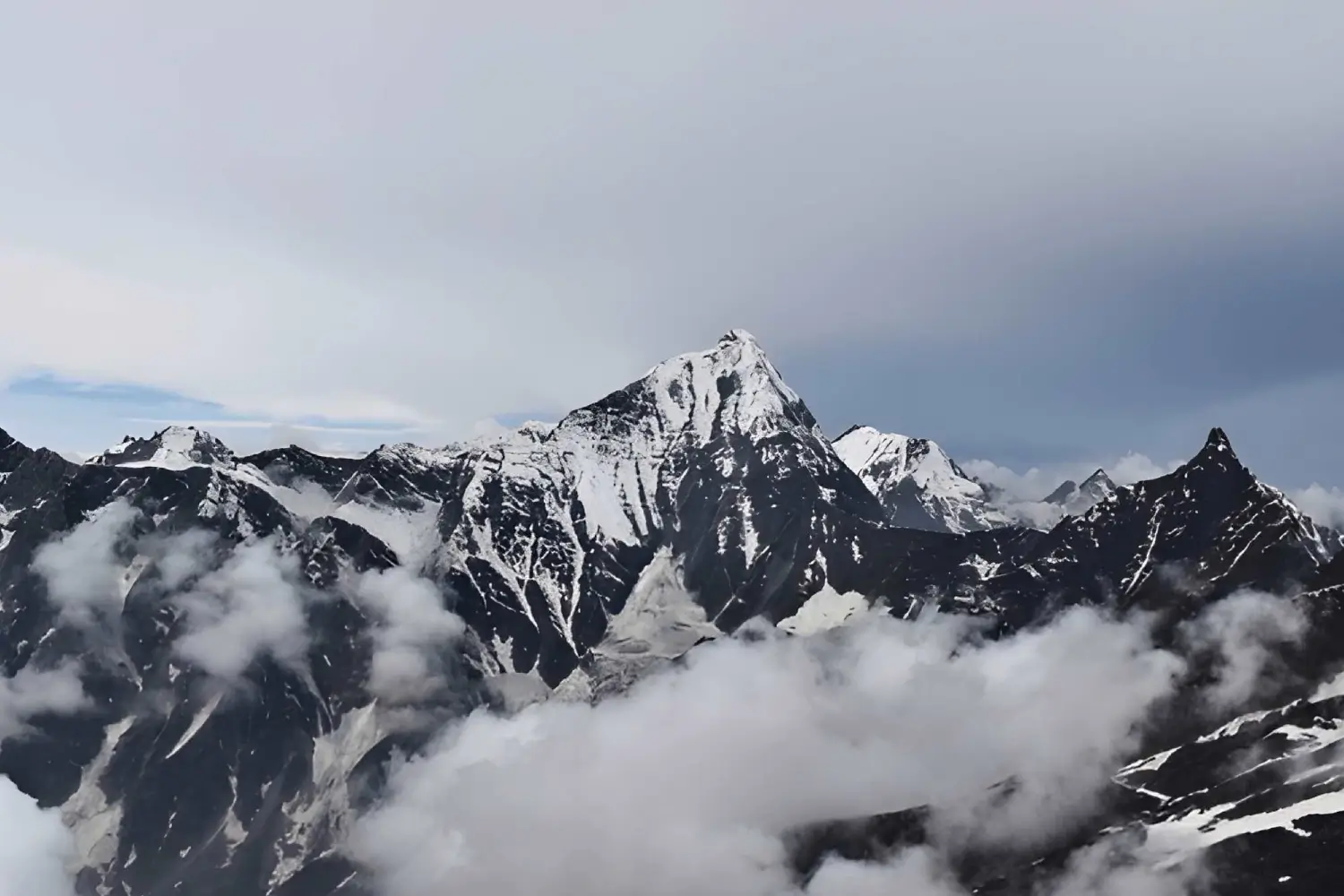
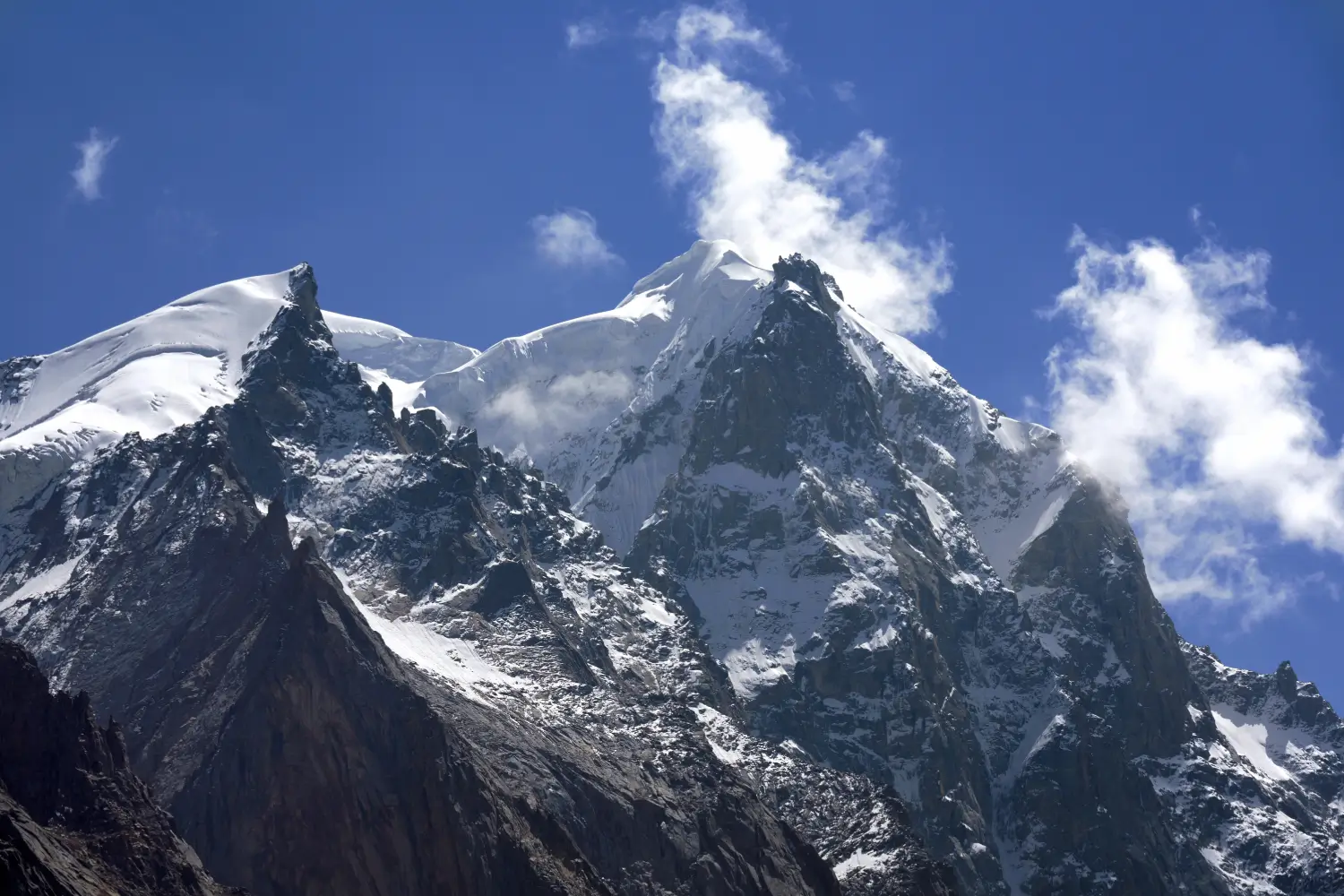
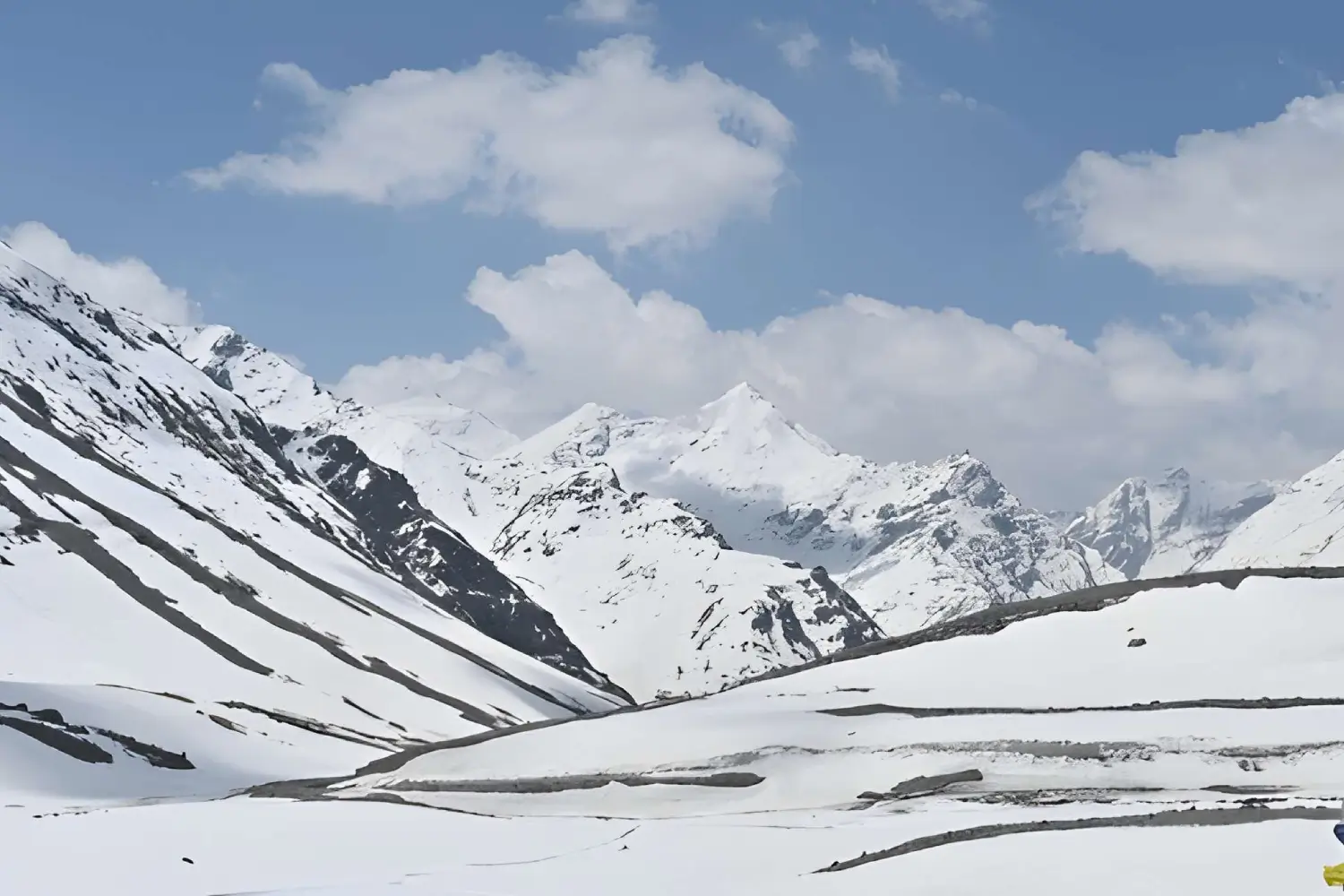
Mount Shitidhar, also known as the “White Peak,” offers a perfect introduction to peak climbing in the Indian Himalayas. Standing tall at 5,290 meters in the scenic Kullu District, this expedition is ideal for beginners seeking their first high-altitude summit, while also serving as an excellent training ground for seasoned climbers to refine their skills. With its moderate difficulty level, Mount Shitidhar invites adventurers to experience the thrill of mountaineering amidst stunning Himalayan landscapes.
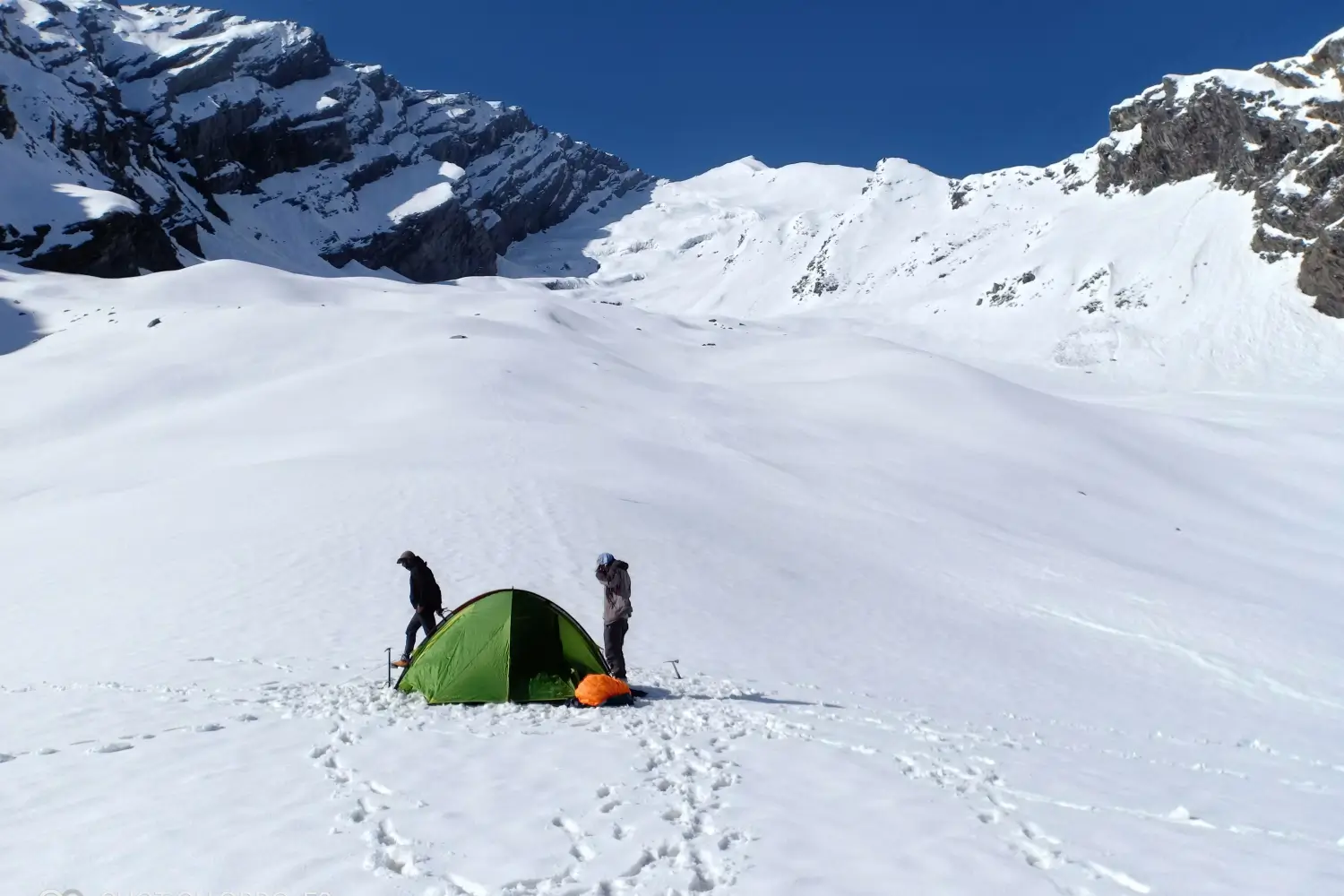
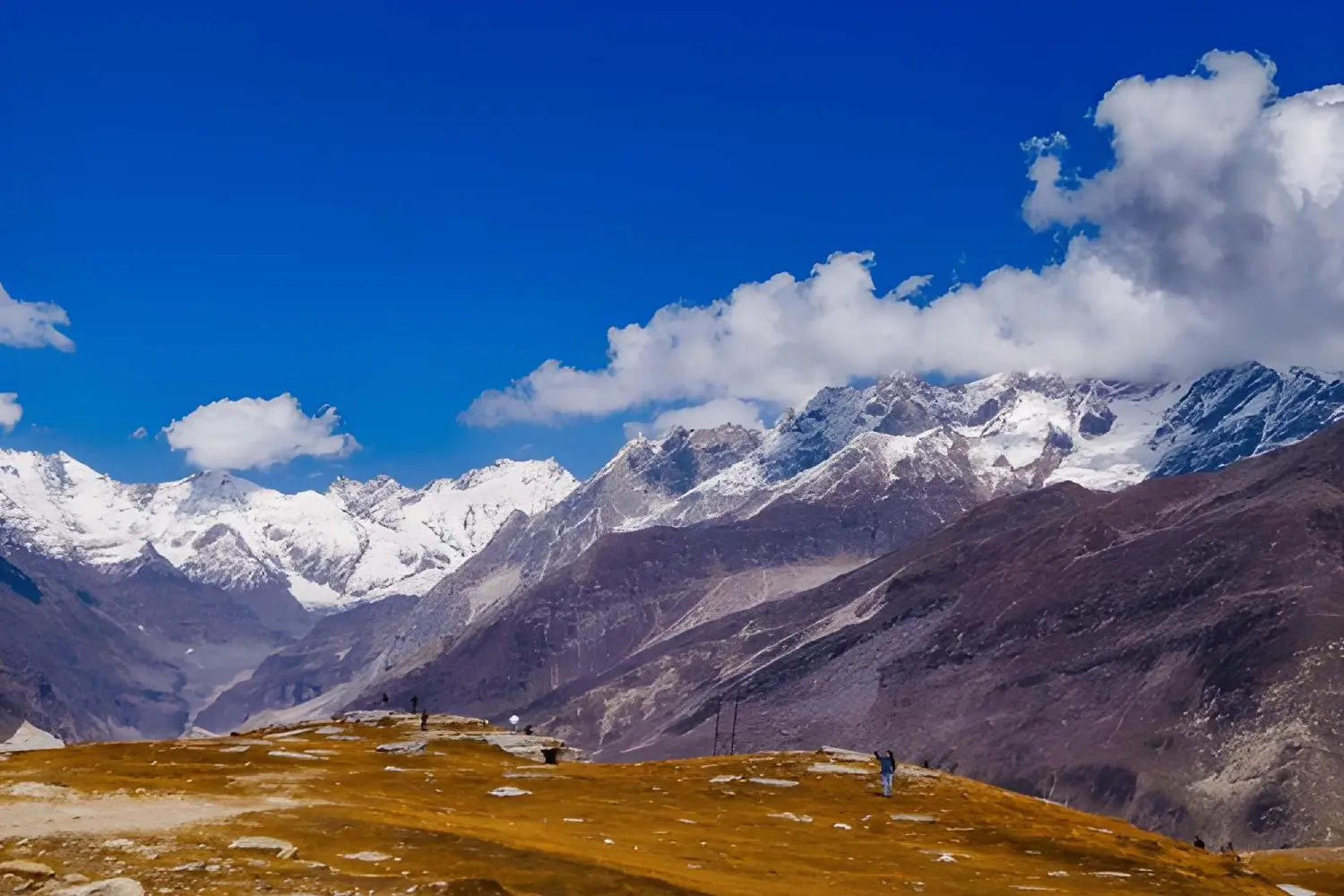
The Mount Shitidhar expedition kicks off with a scenic trek from Dhundhi to the base camp, known as Lady Leg, a serene alpine meadow with a stream meandering through it. This tranquil spot serves as the acclimatization camp and also offers striking views of Friendship Peak (5,289 m). The summit push begins in the pre-dawn hours, marking the start of the most demanding phase of the expedition. From here, the route becomes more technical and gear-intensive, with snow-covered slopes and steep inclines challenging your endurance and skill. The ascent to the summit typically takes around six hours (or more), timed to coincide with sunrise, an unforgettable moment when the golden light washes over the Himalayan peaks, making the entire climb even more worthwhile.
Highlights of Mount Shitidhar Climbing
- Climbing Mount Shitidhar is a complete high-altitude trekking experience, blending breathtaking natural beauty, glimpses of local culture and physical endurance.
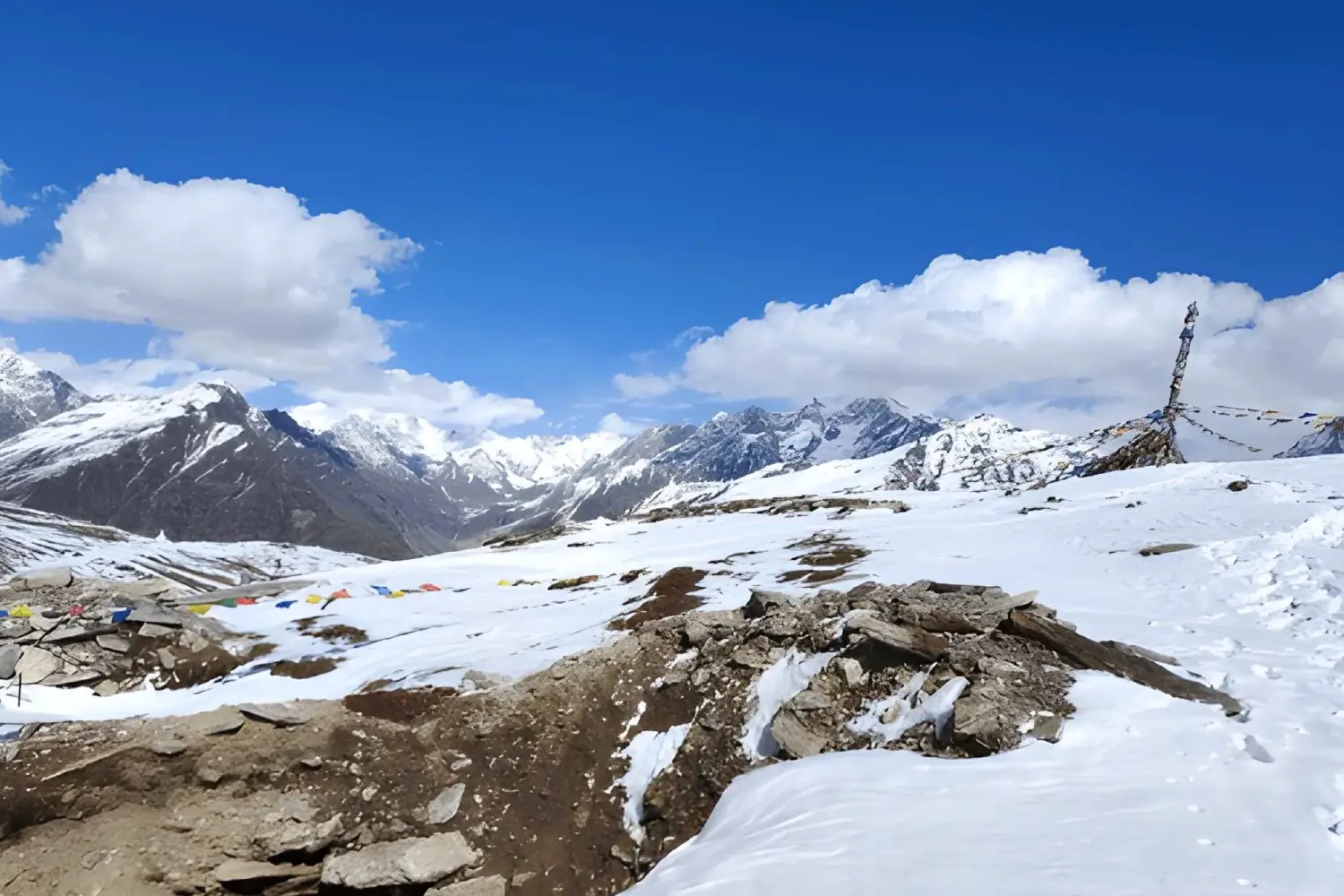
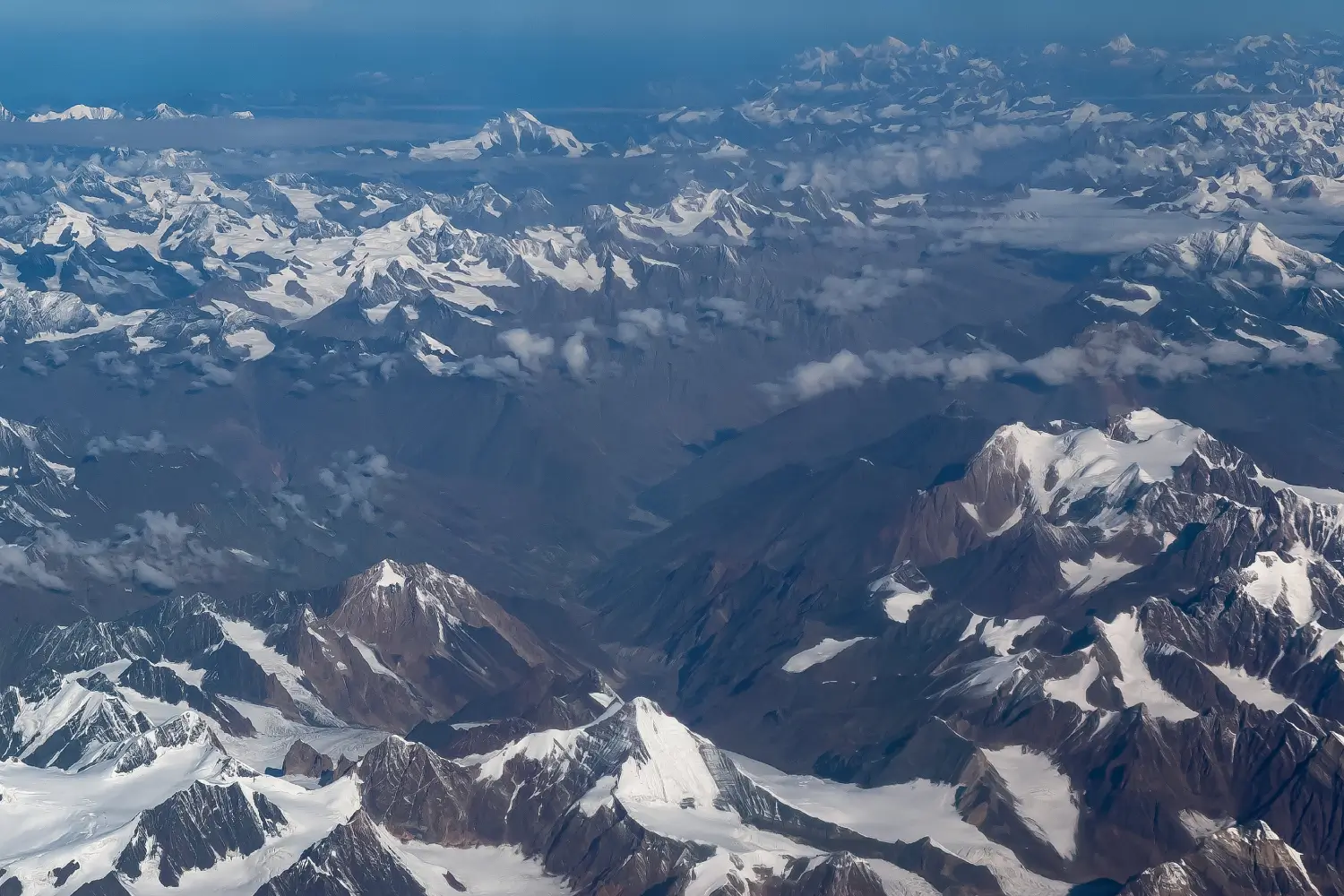
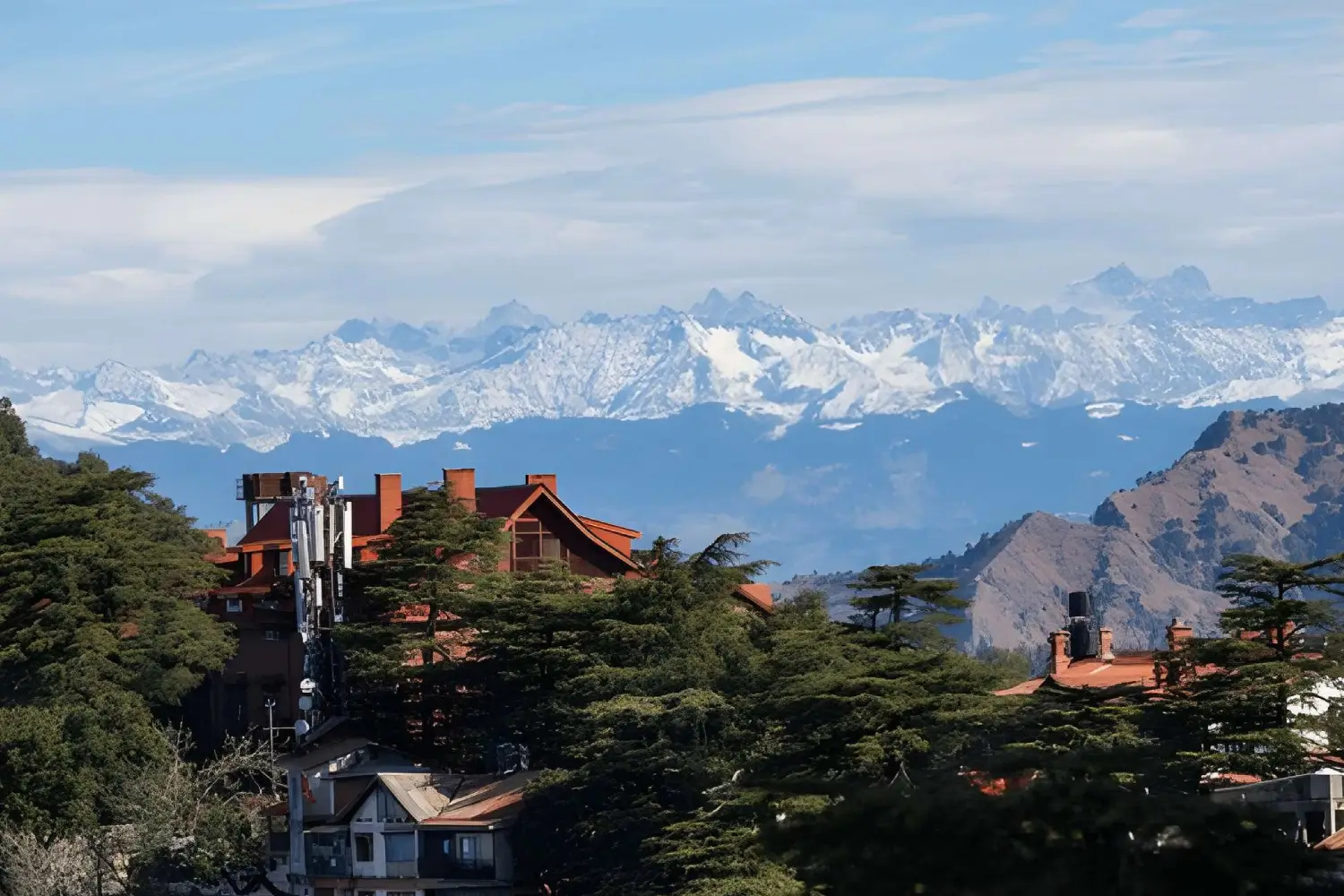
- TThe trail has spectacular views of Himalayan peaks including Hanuman Tibba (5982 m), Deo Tibba (6001 m), and Indrasan (6221 m).
- Mount Shitidhar serves as an excellent introduction to Himalayan mountaineering offering the thrill of a semi-technical 5,000+ meter summit, ideal for trekkers looking to transition into high-altitude peak climbing.
Required Fitness and Technical Climbing Abilities for Climbing Mount Shitidhar
The climb to Mount Shitidhar is classified as a semi-technical peak climbing expedition in India, but is still physically demanding and requires precise knowledge of rope techniques, crevasse recovery and understanding of snow-anchors and how to handle altitude sickness, weather shifts and passing through inclined snowy slopes.
- Heightened Physical Stamina : The summit push through elevated landscapes through snowy, rocky steep slopes demands excellent physical stamina and cardiovascular endurance.
- Fundamental Technical Abilities and Understanding of Mountaineering Equipments : Even though Mount Shitidhar expedition is semi-technical, it is essential for all mountaineers to be aware of fundamental mountaineering equipment and strategies.
- Increased Respiratory Stamina : Oxygen levels rapidly deplete at high-altitude regions, thus it is essential to have a strong heart and excellent lung capacity for effectively managing tedious physical activity.
- Altitude Acclimization : To avoid altitude sickness and battle cold winds, sudden weather changes, it is important to adjust oneself to elevated landscapes.
- Physical, Mental Strength and Perseverance : Himalayan peak climbing expeditions test both mental and physical resilience. Sudden shifts in weather can reduce visibility to nothing in a few minutes, and summit push can get difficult. These situations demand the climbers to remain calm and act mindfully.
Preparatory Tips to Climb Mount Shitidhar
Even though the climb to Mount Shitidhar is considered comparatively easier than other Himalayan mountain expeditions, it is essential to prepare beforehand, since embarking on these elevated landscapes cannot be achieved through enthusiasm alone and necessitate proper planning.
- Following a robust cardiovascular workout routine consisting of jogging, running, biking and weighted star-climbing is crucial.
- Resistance training should be taken up for developing muscular strength and endurance.
- Familiarity with fundamental mountaineering gear such as ropes, climbing harness, ice-axes and crampon is necessary.
- Consultation with a doctor to ensure overall well-being before a trekking attempt is essential.
Quick Facts
- Location : Near Manali, Himachal Pradesh
- Maximum Altitude : 5250 meters
- Grade : Moderate and semi technical
- Distance : 22 KM (till basecamp and summit)
- Number of Days:07Nights/08Ddays
- Best Time for Expedition : April to May, September to October
- Base Point/Starting and Ending Points : Dhundi
Request Booking for This Peak Climbing Expedition in the Himalayas
For a detailed itinerary, expedition plan, and pricing, click the “Book” button below and share your requirements. We will get back to you at the earliest possible.
Related Tours
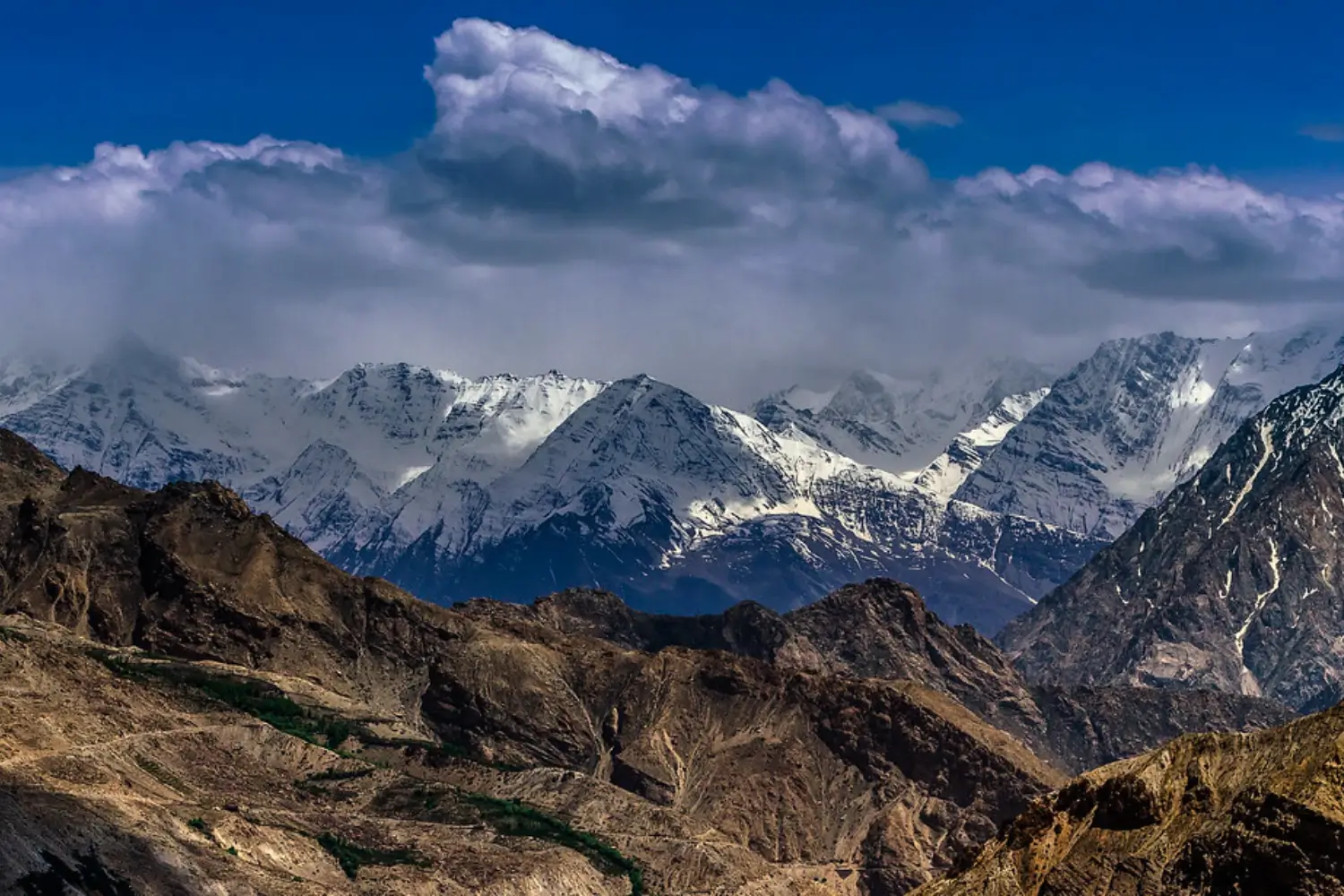 hard
hardLocated on the Kinnaur - Spiti border, Mount Manirang (6,593 m) is one of the highest climbable peaks in Himachal Pradesh and is often hailed as the “Crown of Spiti Valley.”
Starting from USD 1435 / Per person
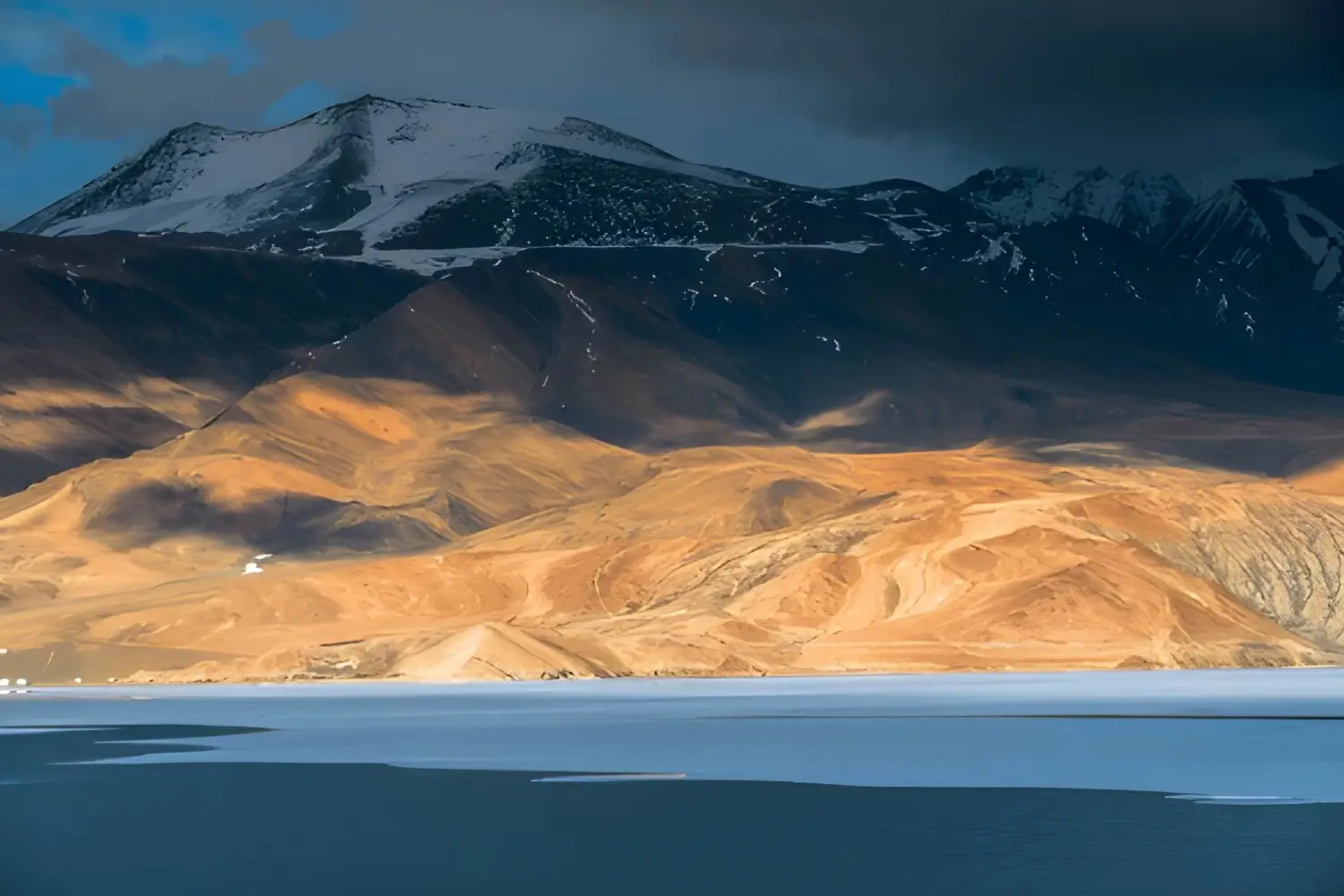 moderate
Mt. Ladakhi, standing tall at 5577 meters, is a lesser-known but incredibly rewarding Himalayan Peak, located in the Pir Panjal Range.
Starting from USD 1345 / Per person
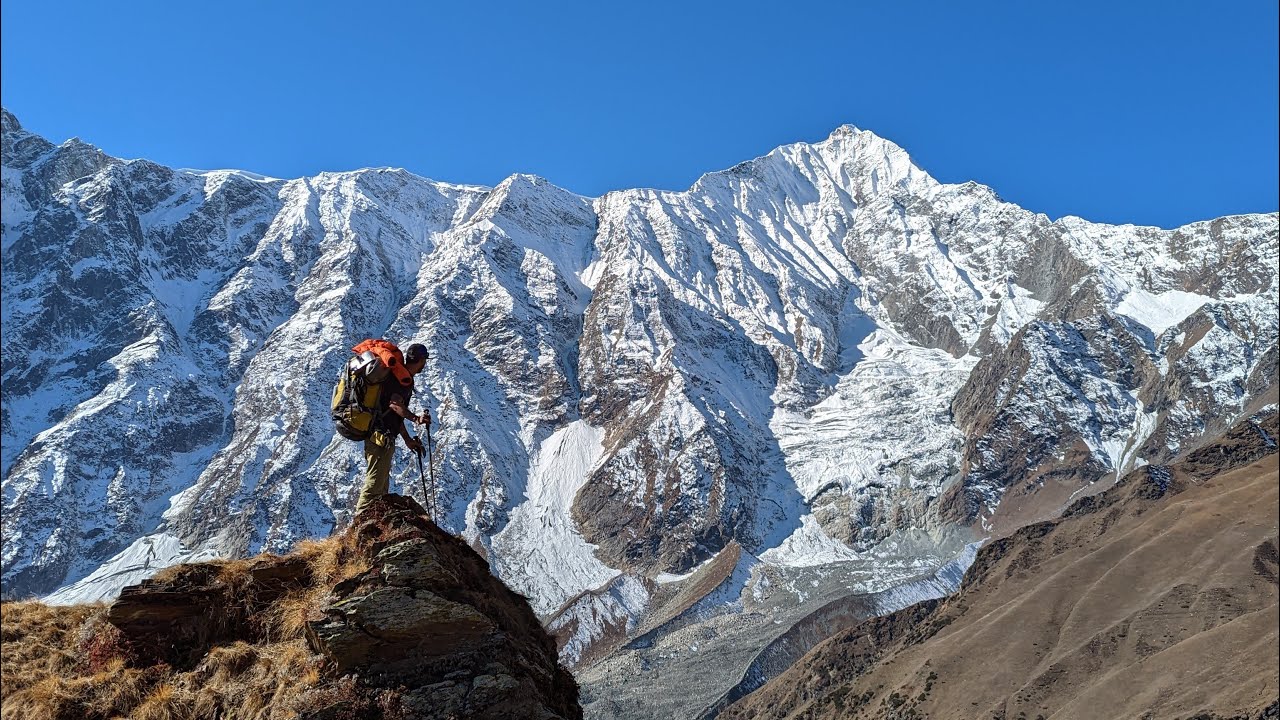 moderate
Mount Shitidhar, also known as the “White Peak,” offers a perfect introduction to peak climbing in the Indian Himalayas.
Starting from USD 1350 / Per person