Mount CB 13 and CB 14 Expedition
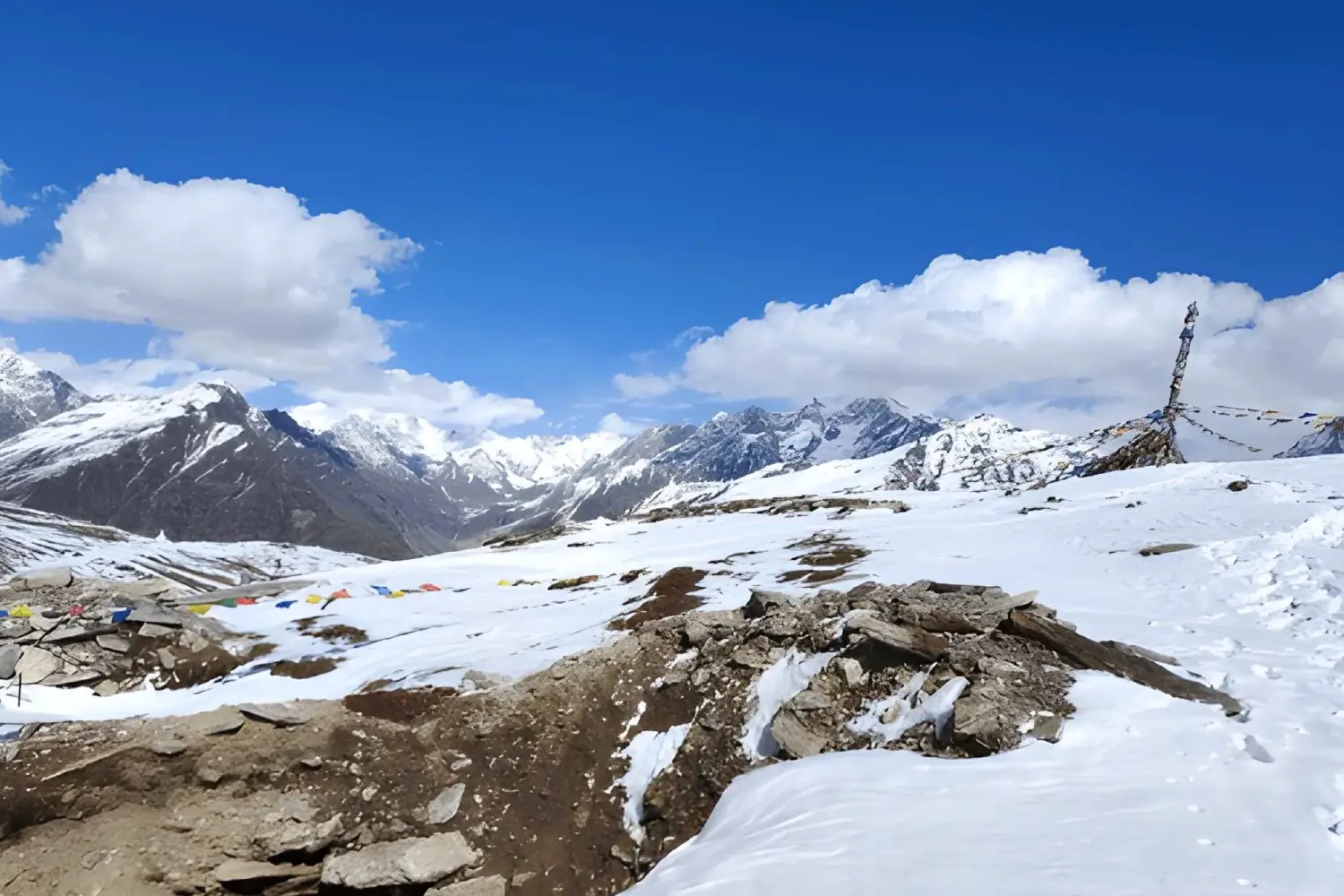
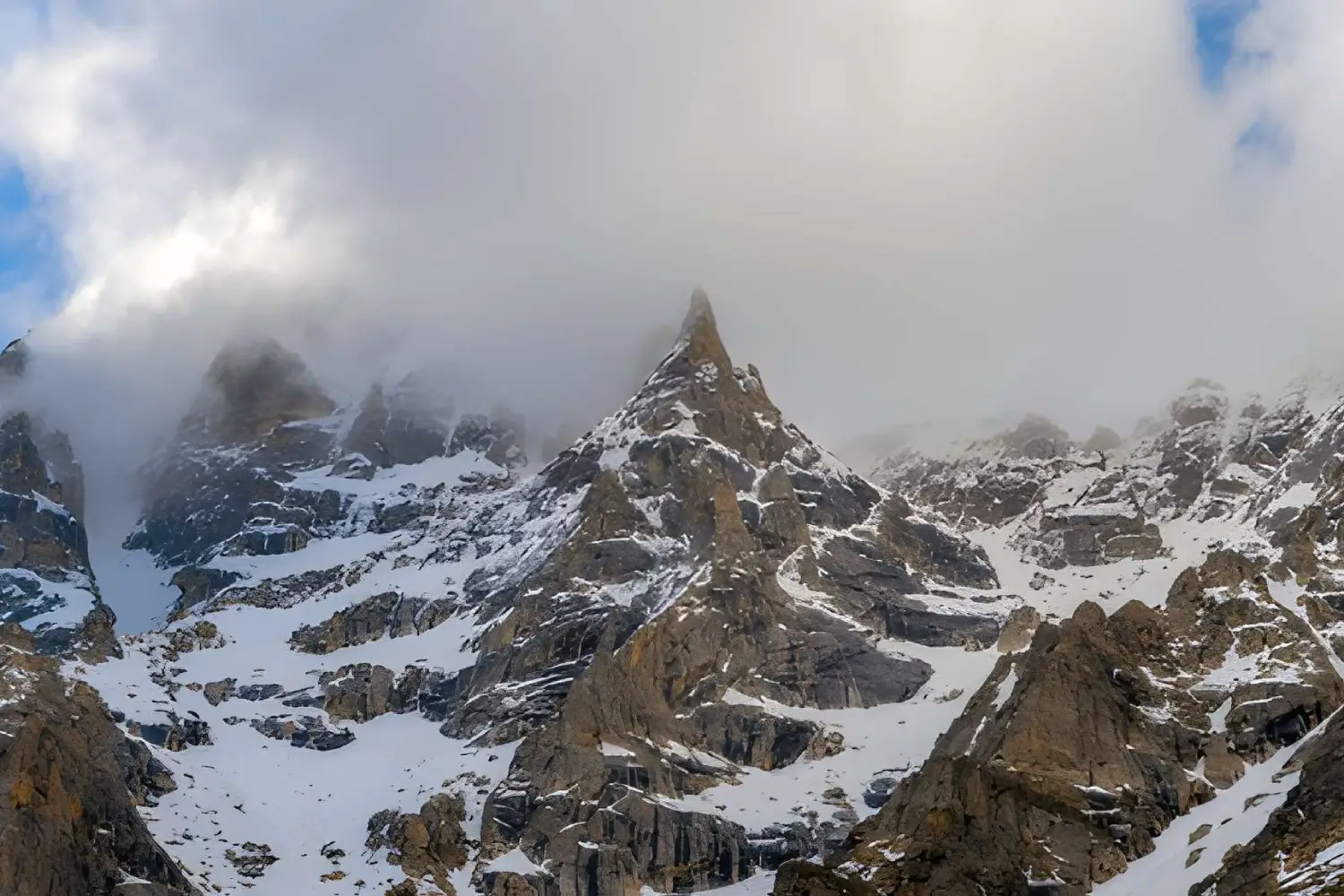
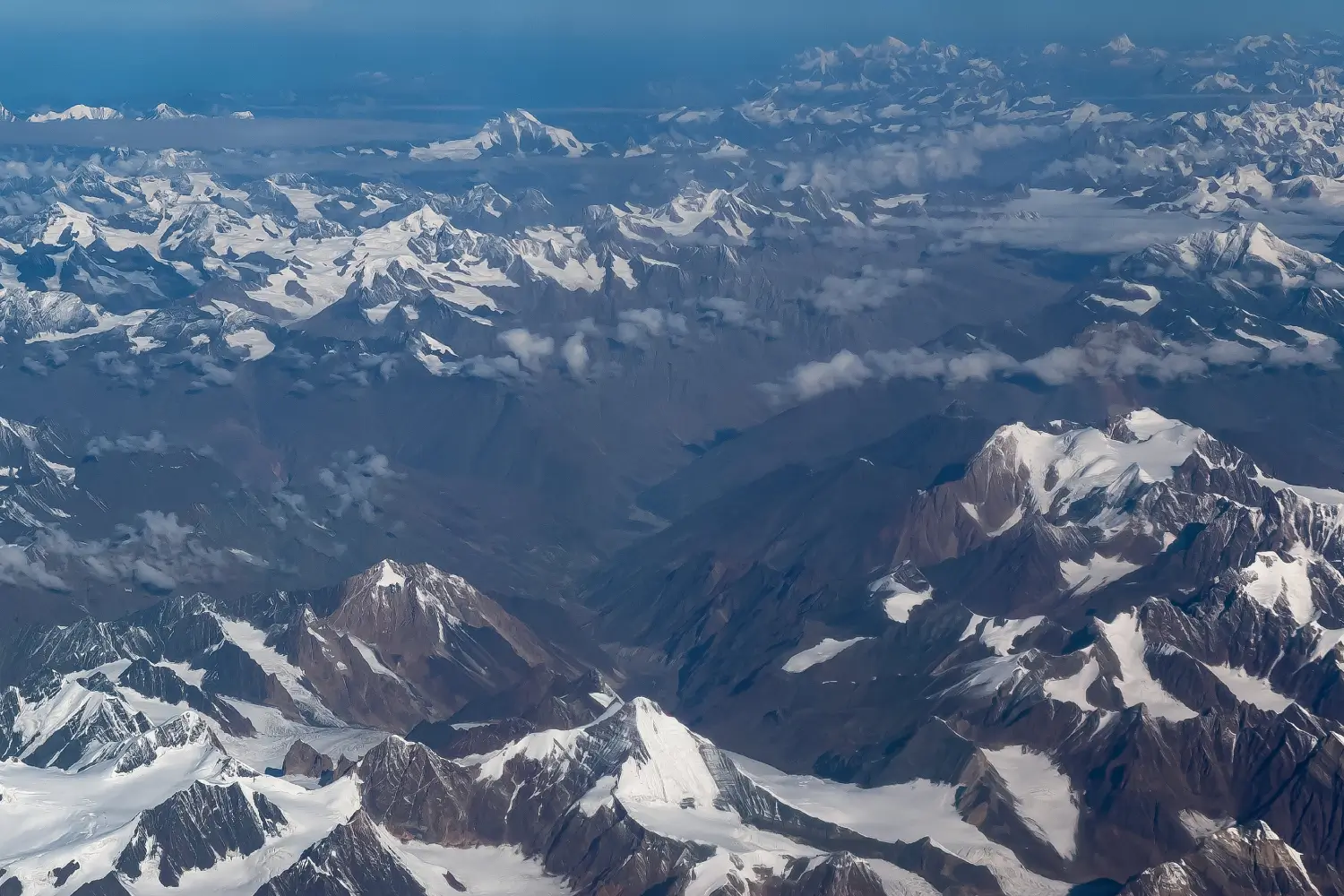
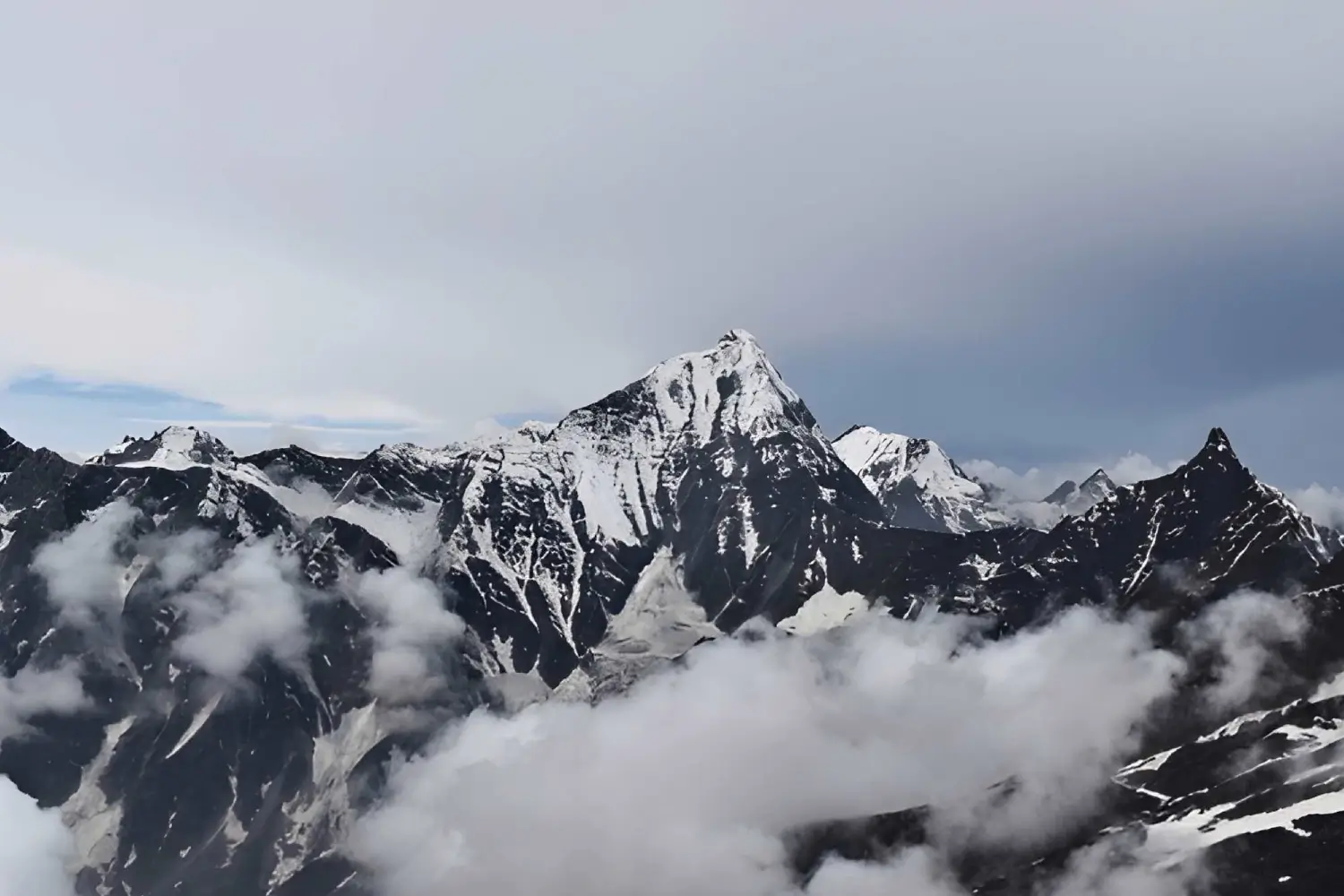
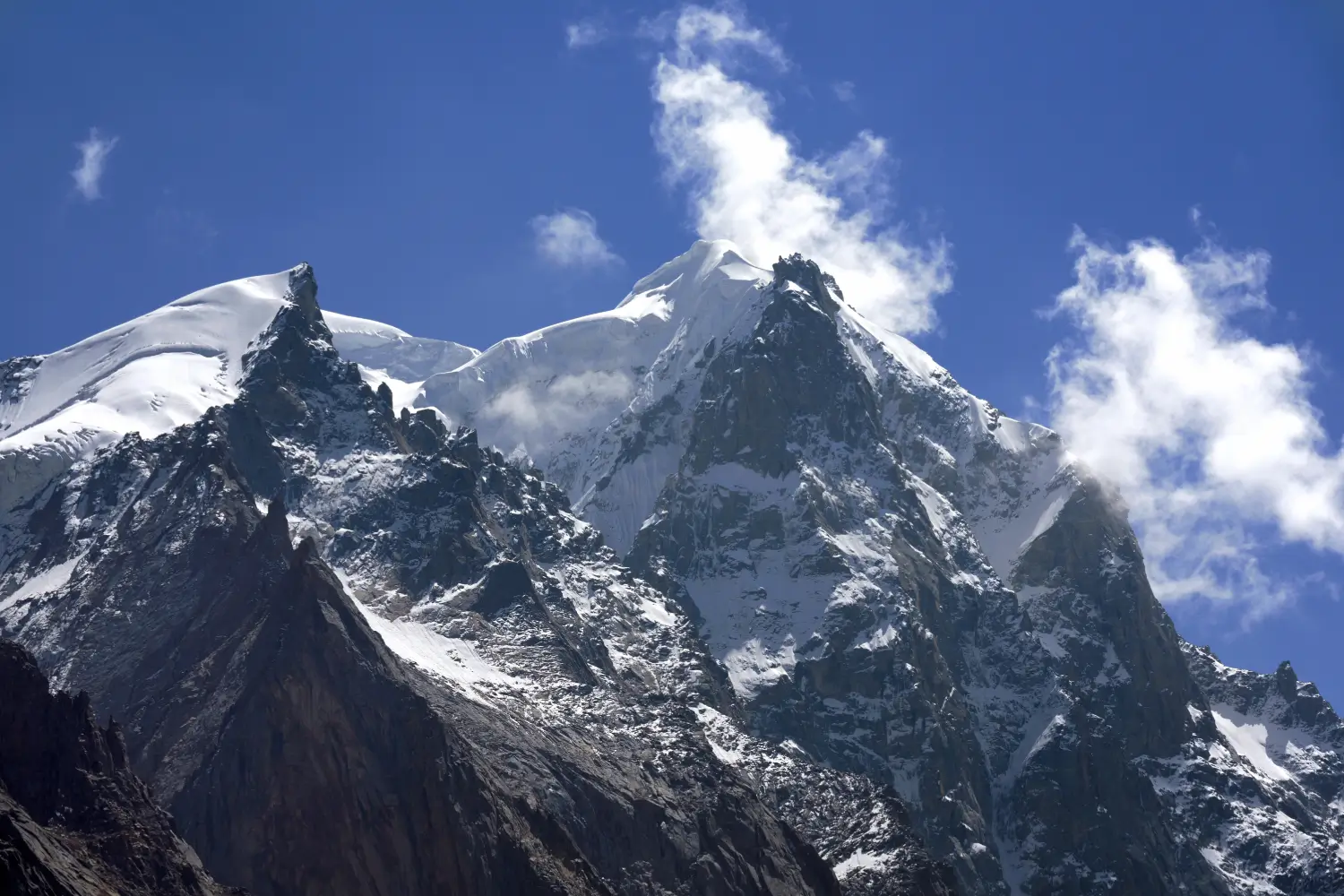
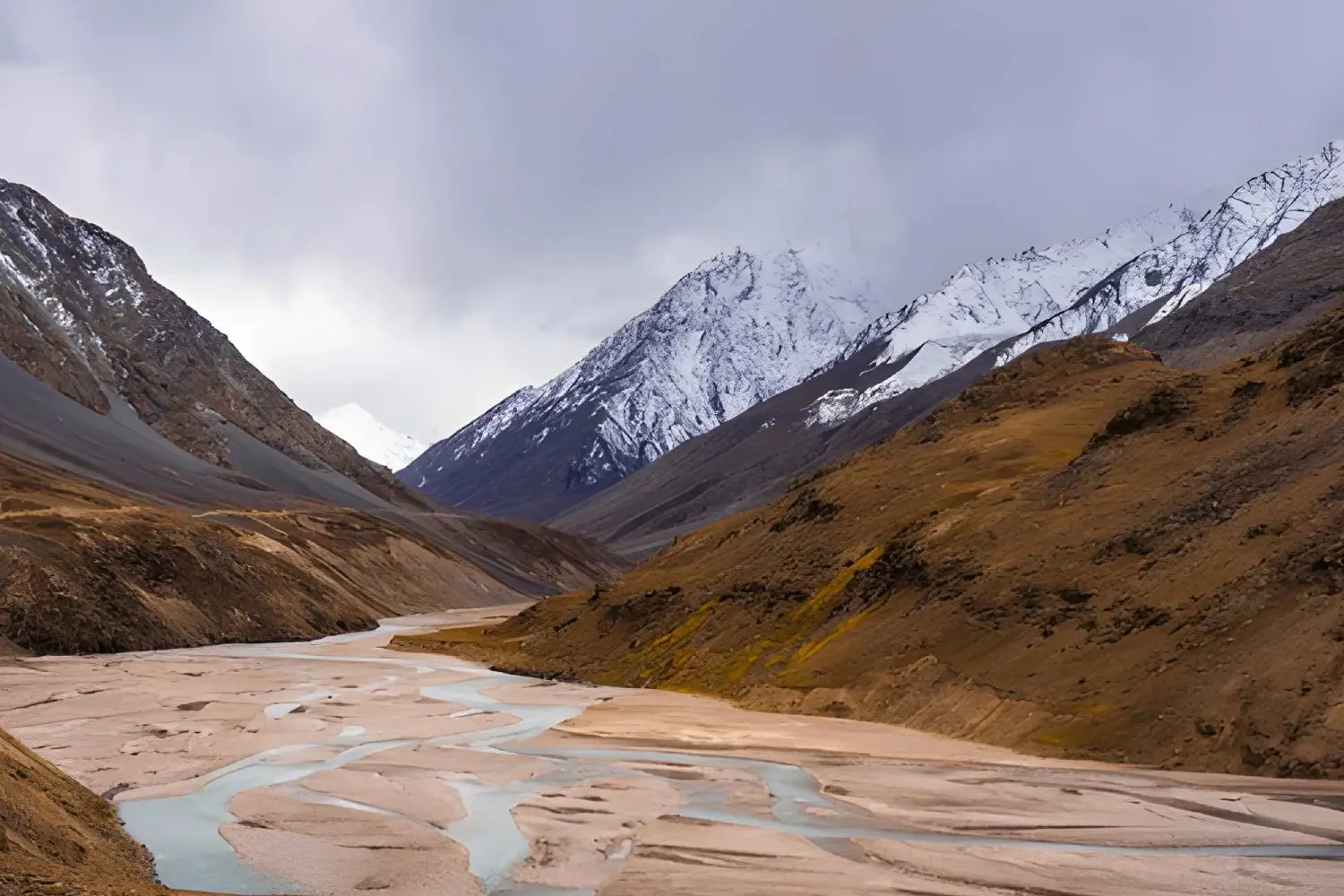
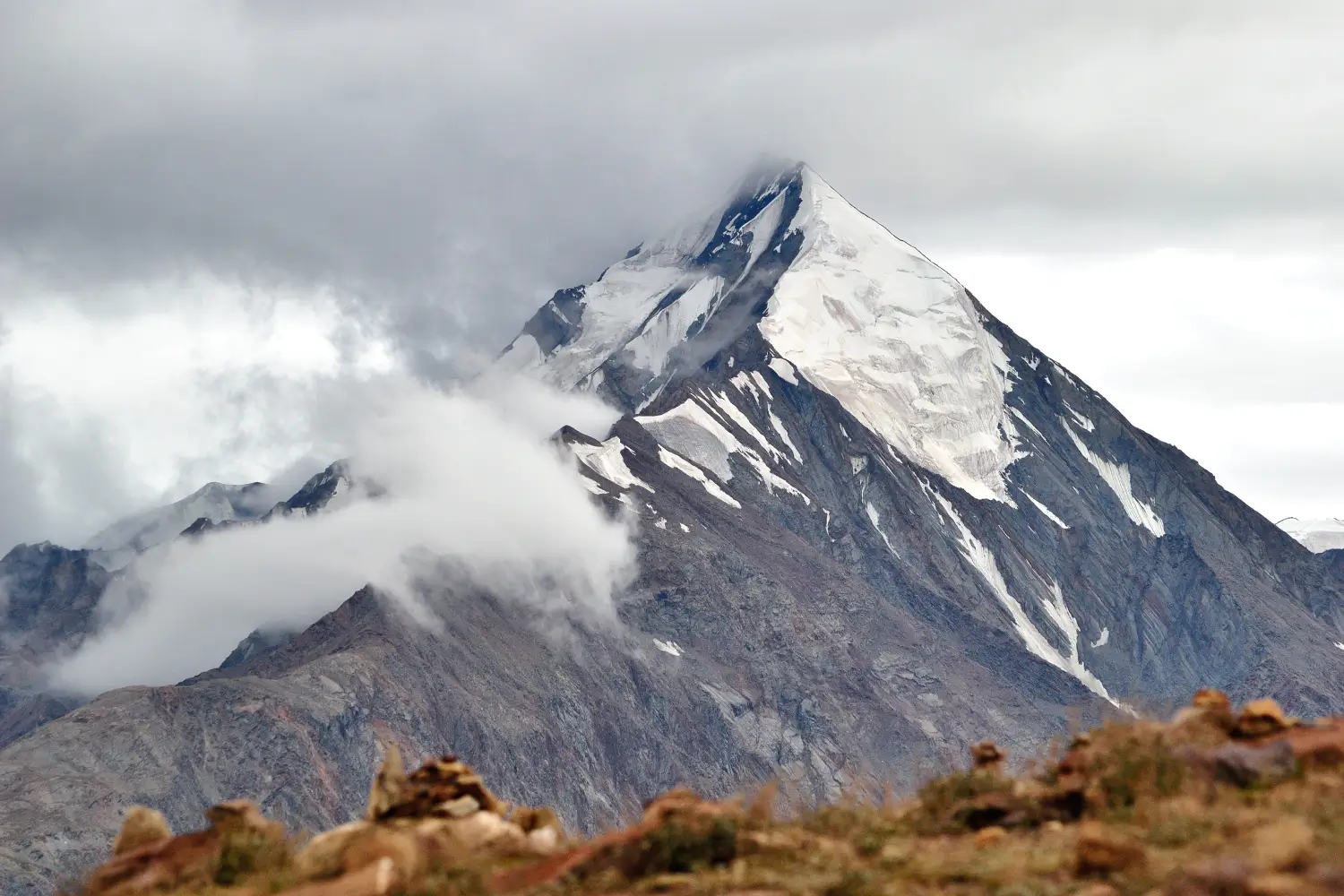
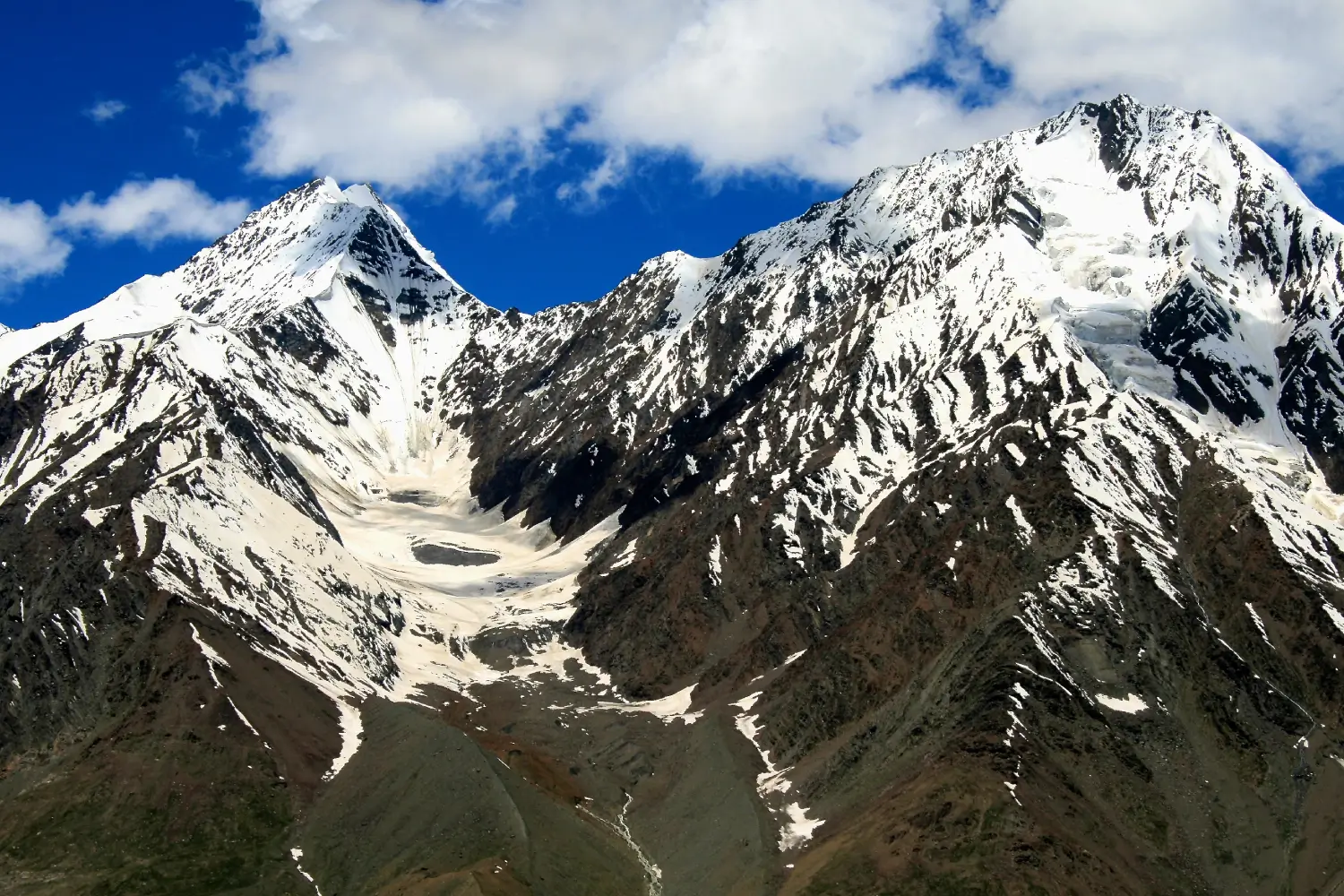
Located in the remote Spiti Valley of Himachal Pradesh, the Chandra Bhaga range takes its name from the Chandra and Bhaga rivers that flank this massif. Set against the South Dhaka Glacier, Mt Chandrabhaga offers the surreal views of the scenic Chandratal, Chandrabhaga and Kunzum Ranges and the Dhaka Glacier. But make no mistake, conquering these twin peaks is a serious mountaineering challenge and is no easy feat!
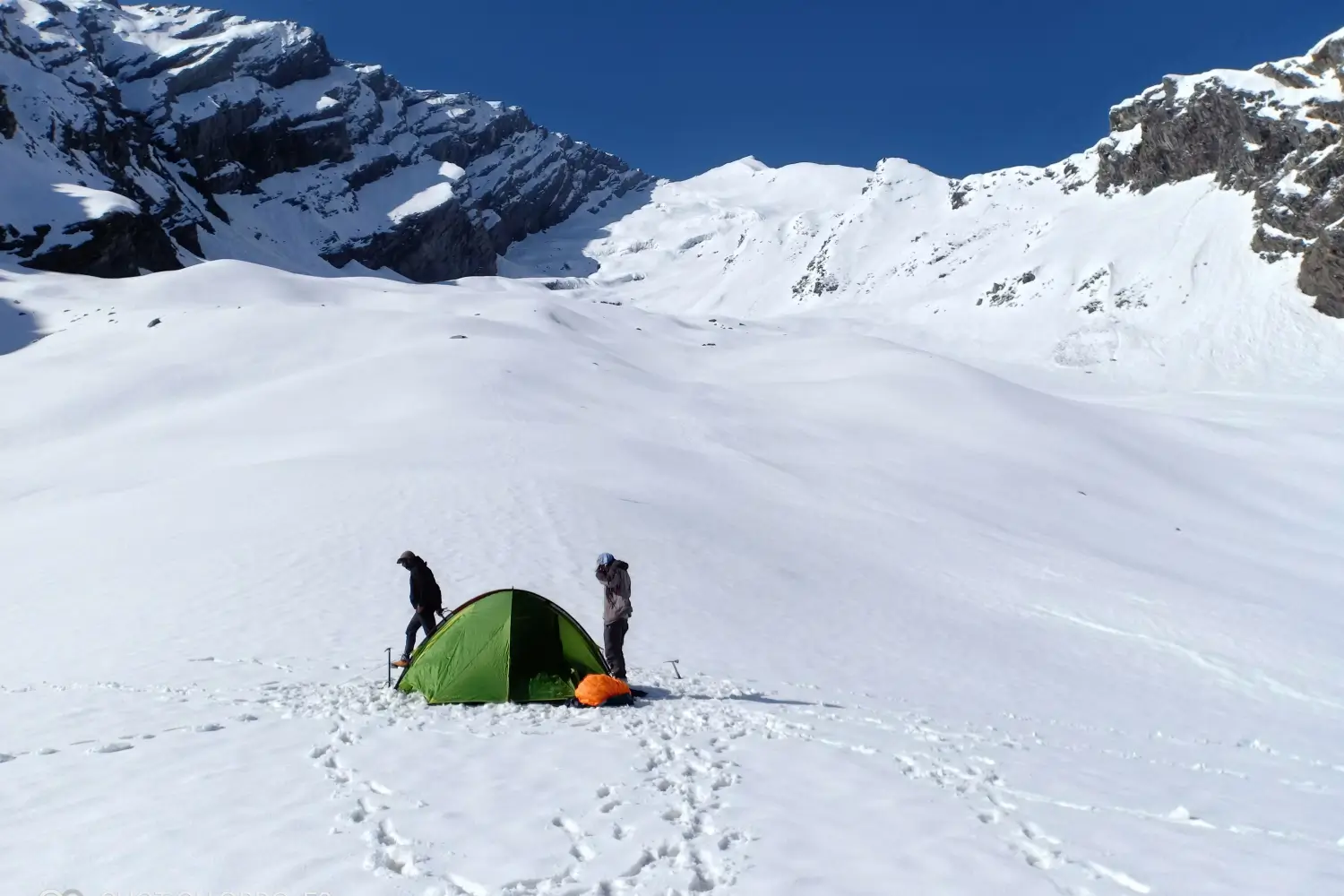
This expedition in Himachal Pradesh offers a rare opportunity to summit two imposing peaks in the Indian Himalayas: Mount CB 13 and CB 14, both lesser - known 6000ers that demand technical climbing skills and prior mountaineering experience. The journey begins in Batal, a remote village offering breathtaking views of the Bara Shigri Glacier and surrounding peaks like Kullu Pumori (6,554 meters). From Batal, a challenging trek leads you to the Base Camp at 4,419 meters and further to the Advance Base Camp at 4,915 meters, where you'll acclimatize to the high altitude and low temperatures.
The summit day, first to CB 14 and later to CB 13 is the most thrilling and demanding part of the expedition. Expect a grueling ascent across icy ridges, steep snowfields, crevassed glaciers, and rugged boulder-strewn paths. However, the reward is immense, panoramic views of the mighty Himalayas and the immense satisfaction of scaling two of India's most challenging and rarely-attempted peaks. Completing this expedition is a true mountaineering milestone, one that only a few can claim.
Highlights of Mount CB 13 and CB 14 Expedition
- Summit two majestic 6000+ meter peaks - Mount CB 13 (6,264 m) and CB 14 (6,078 m) in one adrenaline-charged expedition.
- Soak in sweeping views of the mighty Bara Shigri Glacier, Himachal Pradesh's largest and India's second-largest glacier after Gangtori.
- Experience the raw, desolate beauty of high-altitude glacial terrain, moraines, and crevasse zones.
- EMarvel at the ethereal beauty of Chandratal Lake, shimmering like a turquoise gem amid towering peaks at 4,300 meters.
Fitness Requirements for Mount CB 13 and CB 14 Expedition
Summit two majestic 6000+ meter peaks - Mount CB 13 (6,264 m) and CB 14 (6,078 m) in one adrenaline-charged expedition.
- Soak in sweeping views of the mighty Bara Shigri Glacier, Himachal Pradesh's largest and India's second-largest glacier after Gangtori.
- Experience the raw, desolate beauty of high-altitude glacial terrain, moraines, and crevasse zones.
- Marvel at the ethereal beauty of Chandratal Lake, shimmering like a turquoise gem amid towering peaks at 4,300 meters.
- Must have completed at least two high-altitude treks (above 4,500 - 5,000 meters)
- Should be able to jog 6 km in 30 minutes or 10 km in 60 minutes without fatigue
- Alternatively, must be able to cycle 25 km in 65 minutes
- Must be capable of carrying a 10 - 15 kg backpack throughout the expedition
- Even if opting for offloading, trekkers should be able to manage a 3 - 5 kg daypack
- BMI (Body Mass Index) must fall in the healthy range of 18 to 26
- Requires strong mental endurance, discipline, and a high level of physical commitment for summit success
- Prior exposure to snowcraft, use of crampons, and ice axe handling is highly recommended
How to Prepare for the CB 13 & CB 14 Expedition?
Preparing for the CB 13 and CB 14 Expedition requires a disciplined mix of physical training, gear readiness, and mental conditioning. This is not a regular trek. It's a full-fledged Himalayan expedition, often seen as one of the top peak climbing expeditions in India.
- Focused Endurance Training : Start your fitness routine at least 10 to 12 weeks in advance. Combine cardio workouts like running, swimming, cycling, and stair climbing with resistance training. You'll need stamina for long days on foot and strength to carry your backpack over rough glacial terrain.
- Hike with Load : Simulate trekking conditions by hiking on uneven trails while carrying a backpack that weighs 10 to 12 kg. This helps you get used to the real strain of a Himalayas adventure and builds shoulder and back strength.
- Build Altitude Tolerance : Spend time hiking or staying at higher altitudes (above 3,000 m) if possible. The twin peaks of CB 13 and CB 14 reach over 6,000 meters, so getting used to the altitude can greatly lower the risk of AMS (Acute Mountain Sickness).
- Learn Technical Basics : Unlike many popular peak climbing expeditions in the Indian Himalayas, this climb requires some basic technical skills. Learn to use crampons, ice axes, and ropes. Knowing how to move confidently on snow, ice, and moraine makes a big difference.
- Mental Readiness : Prepare for isolation, unpredictable weather, and physically demanding days. Mental resilience is key on this expedition, especially in whiteout conditions or when crossing crevasses.
- Gear Familiarity : Use your actual trekking gear during practice hikes. Your snow boots, layers, gloves, and headlamps must be tested well before the summit push.
- Health & Hydration : Follow a balanced diet, stay hydrated, and avoid alcohol or tobacco in the weeks leading up to the trek. These small actions help your body adjust better to the challenges of climbing peaks in the Himalayas.
- Consult Experts if Needed : If you're uncertain about gear, fitness, or training, reach out to certified mountaineering instructors or join a pre-expedition workshop. It's a great way to build confidence before tackling one of the best peak climbing expeditions in Himachal Pradesh.
Quick Facts
- Location : Chandra Bhaga Range, Lahaul - Spiti, Himachal Pradesh
- Maximum Altitude :
- CB 13 - 6,264 m (20,551 ft)
- CB 14 - 6,078 m (19,944 ft)
- Grade:Challenging (Advanced technical expedition)
- Distance : 60 km (round trip) approx. 9 km (base-to-summit one way)
- Number of Days : 12 - 15 days (most standard itineraries range from 11 - 14 nights)
- Best Time for Expedition : June to October (optimal snow and climbing conditions)
- Base Point / Starting and Ending Points : Batal
Request Booking for This Peak Climbing Expedition in the Himalayas
For a detailed itinerary, expedition plan, and pricing, click the “Book” button below and share your requirements. We will get back to you at the earliest possible.
Related Tours
 hard
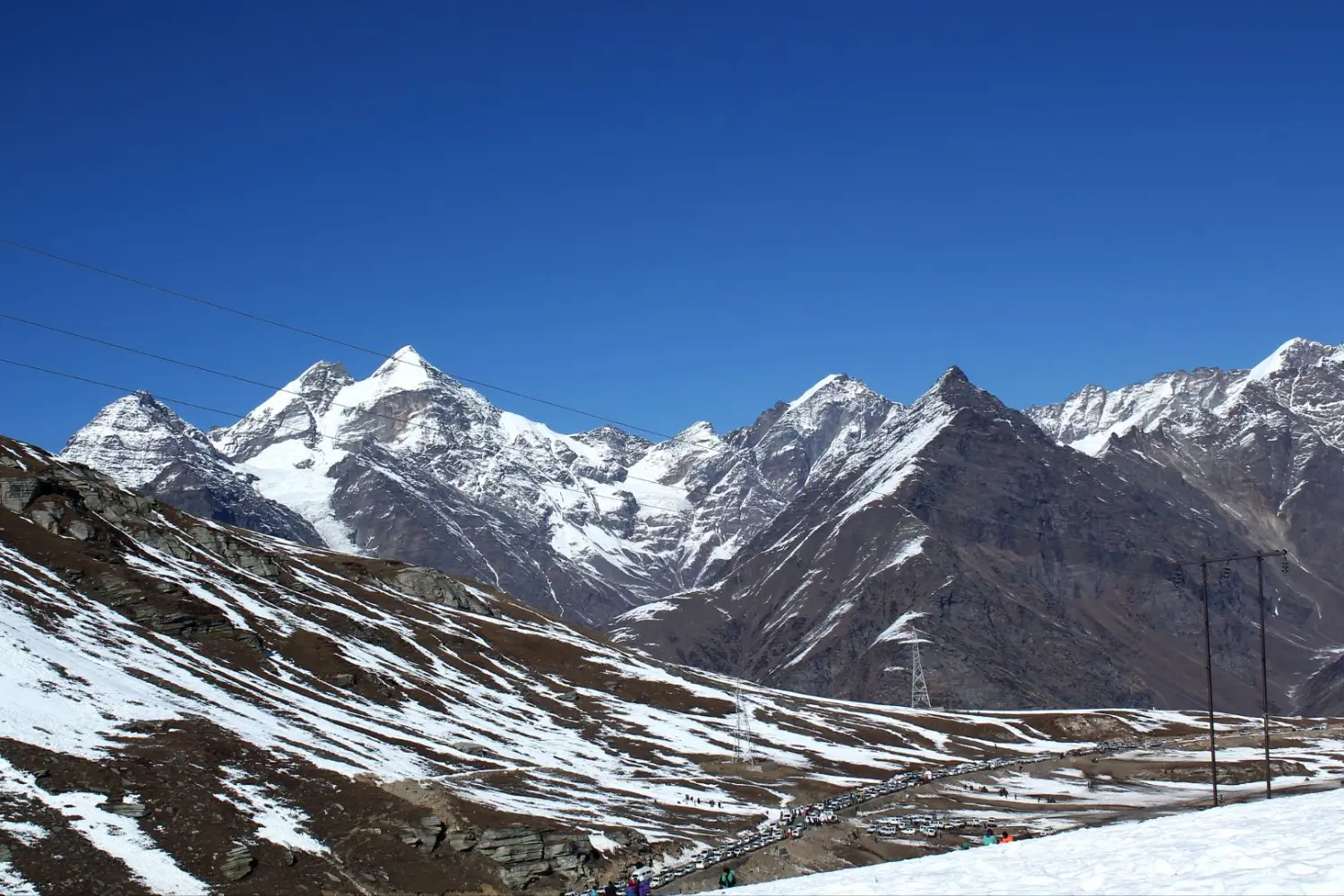
hardLocated on the Kinnaur - Spiti border, Mount Manirang (6,593 m) is one of the highest climbable peaks in Himachal Pradesh and is often hailed as the “Crown of Spiti Valley.”
Starting from USD 1435 / Per person
 moderate
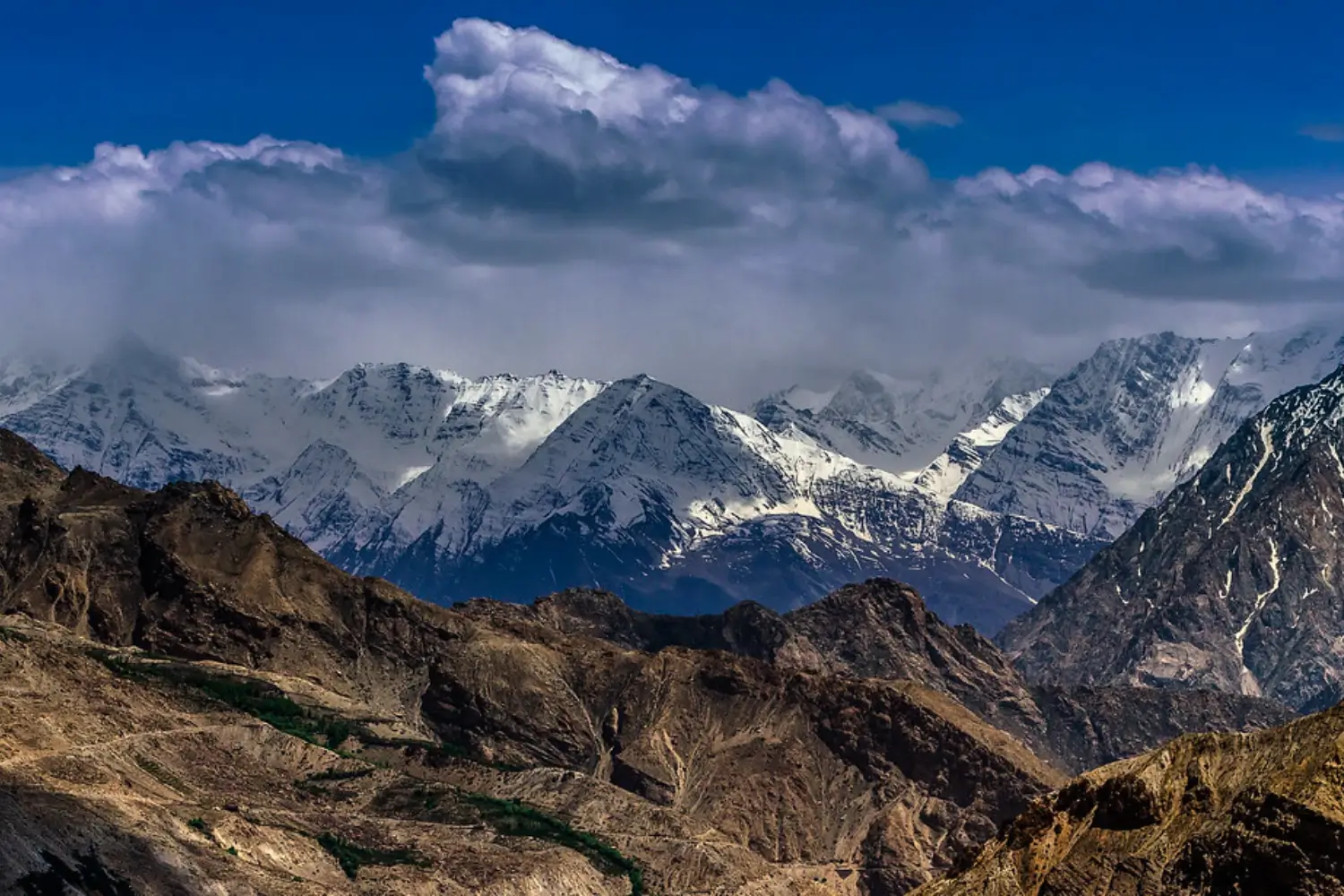
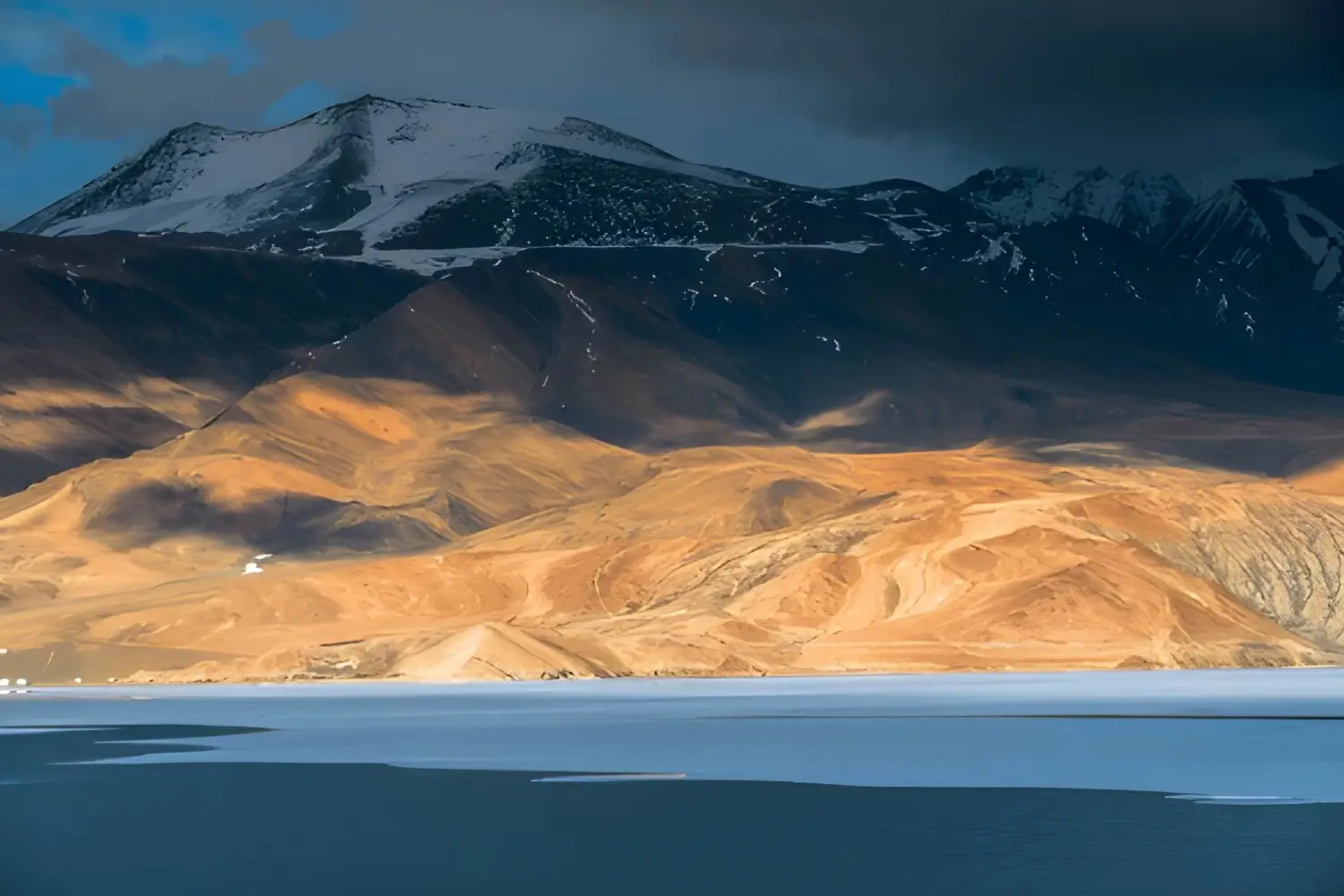
Mt. Ladakhi, standing tall at 5577 meters, is a lesser-known but incredibly rewarding Himalayan Peak, located in the Pir Panjal Range.
Starting from USD 1345 / Per person
 moderate
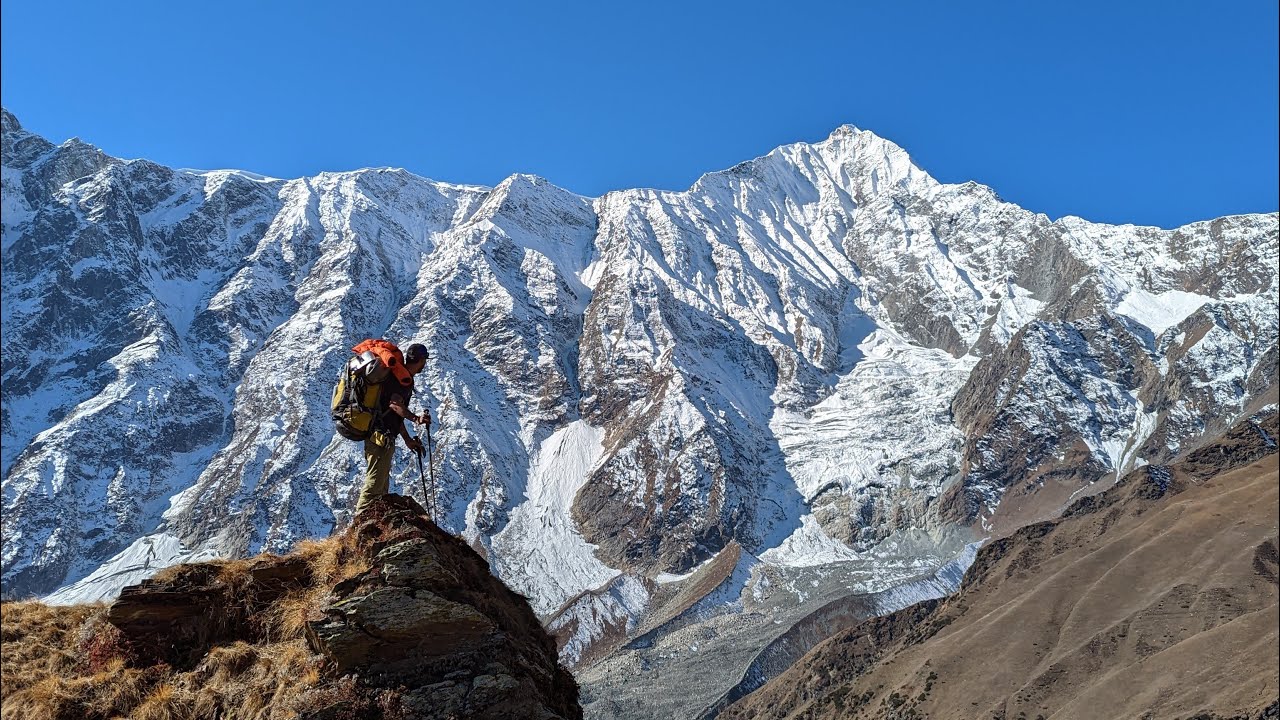
Mount Shitidhar, also known as the “White Peak,” offers a perfect introduction to peak climbing in the Indian Himalayas.
Starting from USD 1350 / Per person