Matho Kangri Peak Climbing Expedition
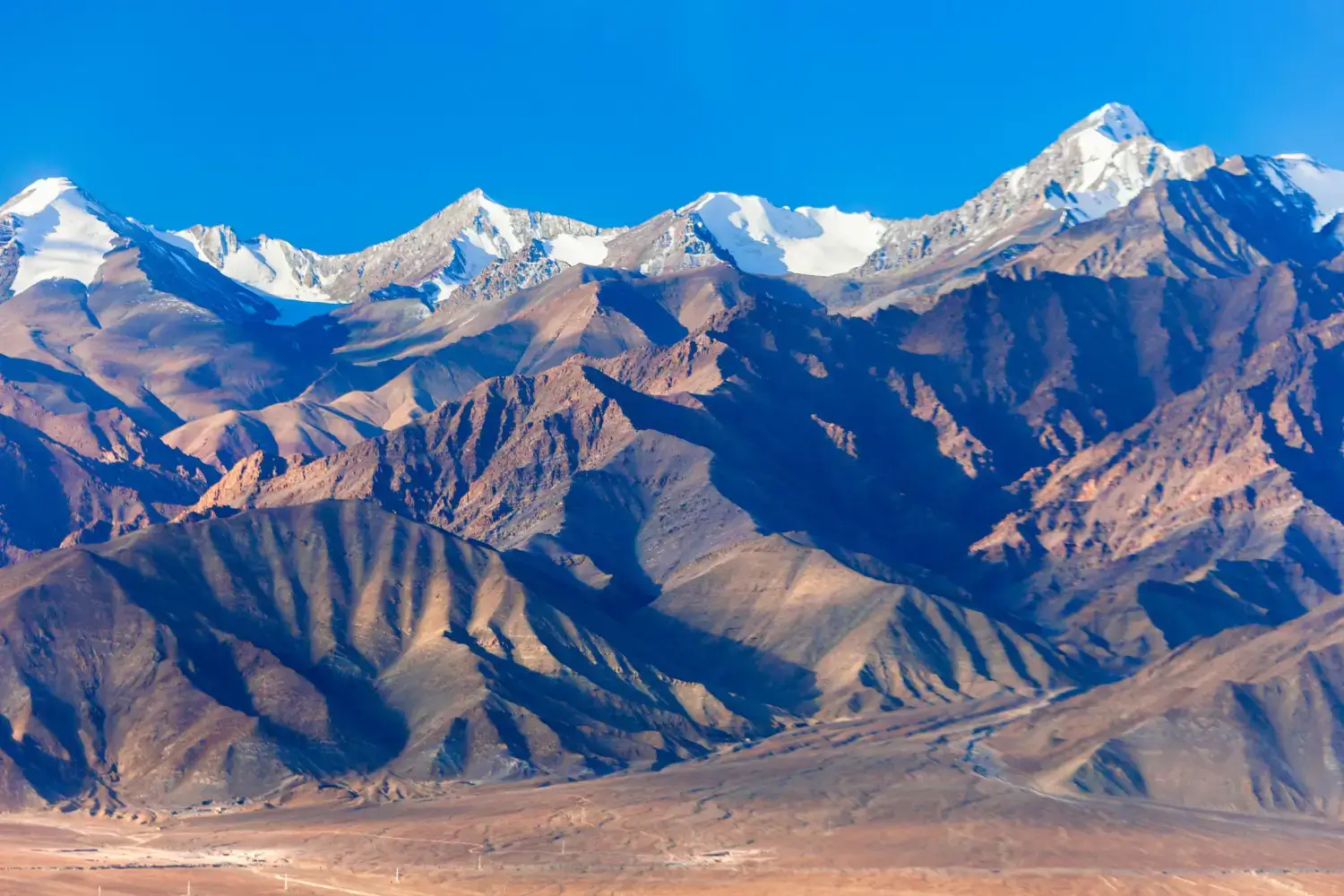
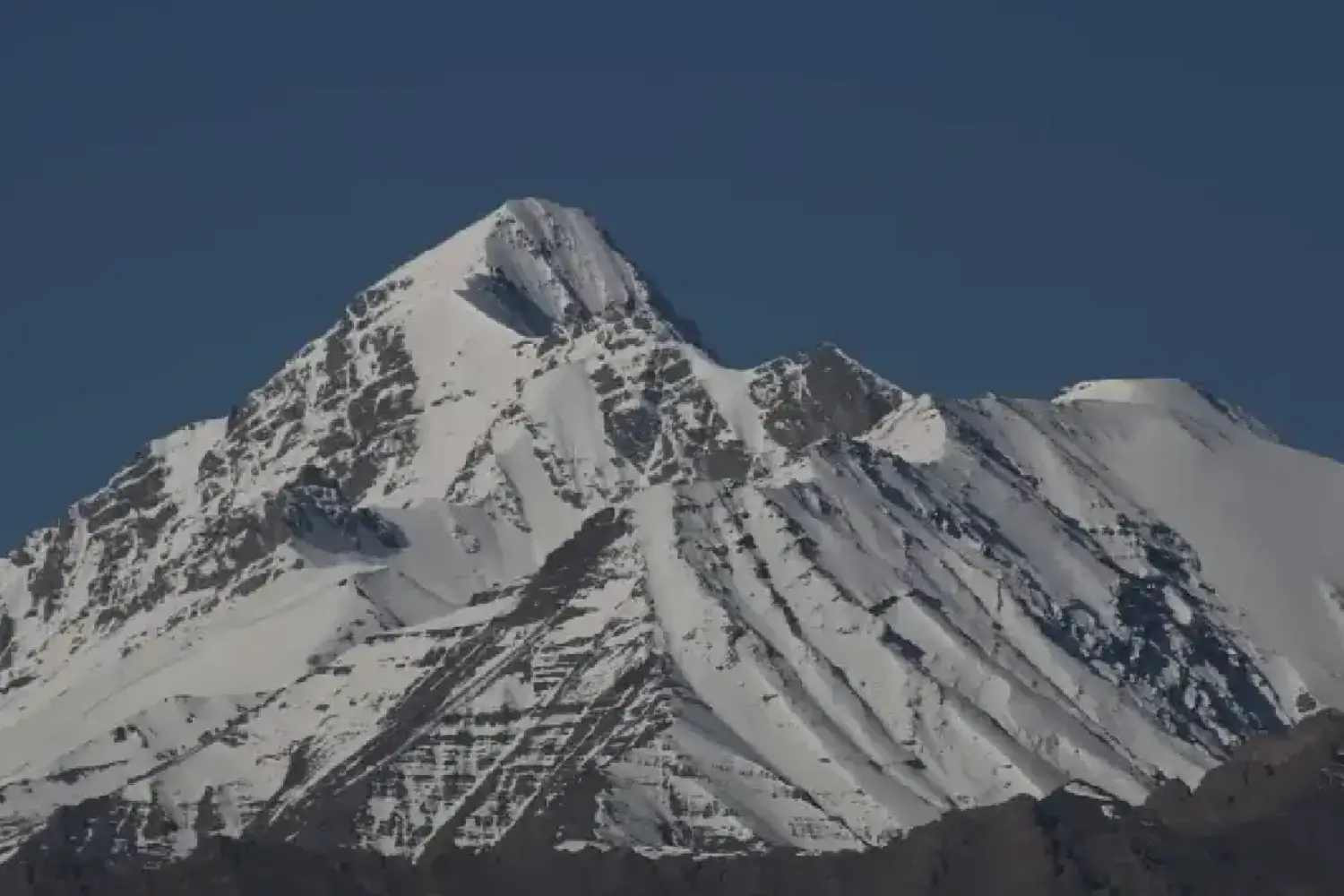
Ladakh, India's adventure capital, is a paradise for trekkers and mountaineers, offering some of the Himalaya's most thrilling expeditions. Among its crown jewels is Matho Kangri, a striking 5,990-meter summit in the rugged Zanskar Range. Though not the tallest peak, Matho Kangri demands skill and endurance, rewarding climbers with sweeping views and an unforgettable blend of challenge and alpine beauty, perfect for seasoned mountaineers seeking to cross one more milestone.
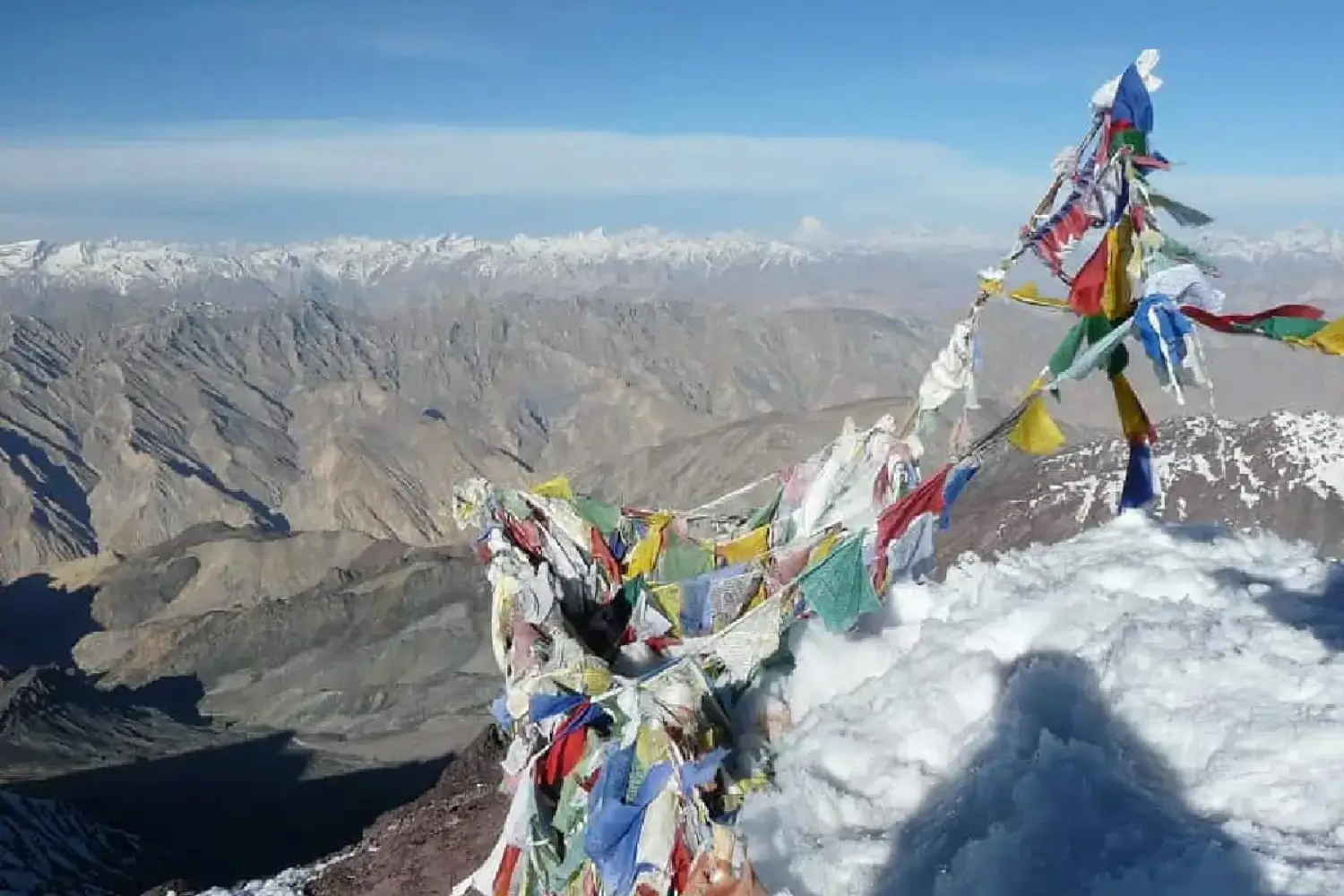
The expedition usually lasts about 10 days and requires technical climbing skills, reasonable fitness, proper acclimatization, and mountaineering experience. This mountain expedition in Ladakh first takes one through Chogdo, following a lesser-used route through hidden valleys before a gradual ascent to Gyuncho La, where the first views of Ladakh's dramatic landscapes unfold. From here, you trek south to the base of Matho West and camp under star-studded skies. The highlight of this peak climbing expedition in Ladakh is a steady climb from the southern face to the Matho Kangri summit (5,990 m). From the top, the panoramic spectacle of the surrounding valleys and the distant Karakoram Range rewards every effort.
For those searching for the best peak climbing tour in Ladakh, which combines physical endurance, stunning Himalayan scenery, and the excitement of reaching almost a 6000-meter peak, Matho Kangri offers an unforgettable Himalayas adventure.
Highlights of Matho Kangri Peak Climbing Expedition
- Matho Kangri (5990 m) is a prominent peak in the Indian Himalayas, ideal for those progressing from beginner-level to technical mountaineering.
- Panoramic views of the Stok Kangri range (6,153 m), Zanskar range (6,000 - 7,000 m), and distant Karakoram Range (7,000 - 8,000 m) from the summit.
- The expedition route passes through the scenic Matho Valley, known for its remote trails, high-altitude meadows, and traditional Ladakhi settlements.
- Cultural exploration at Matho Monastery, a 500-year-old Buddhist monastery overlooking the Indus Valley.
- Chance to camp under pristine night skies, surrounded by the silence of the Himalayas and incredible landscapes.
Fitness Requirements for Matho Kangri Peak Expedition
Being one of the best mountain expeditions in India, the Matho Kangri climb requires solid physical preparation and prior trekking experience.
- Good cardiovascular endurance is essential because the climb involves 5 to 7 hours of trekking daily at high altitudes.
- It is strongly recommended to have prior experience with high-altitude treks (4,000 to 5,000 m) to ensure safe acclimatization.
- You should be able to jog or run 5 km comfortably in 30 to 35 minutes while doing regular stamina-building exercises.
- You need to carry a 10 to 12 kg backpack over different types of terrain, including steep ascents, moraines, and snow patches.
- Leg and core strength are vital for navigating steep slopes and descents. Exercises like squats, lunges, planks, and step-ups can help build strength.
- Weekly training goals may include running 30 to 40 km, cycling 60 to 80 km, or going on long hikes with gradual elevation gain.
- It's essential to focus on flexibility and balance training, such as yoga, stretching, and mobility drills, to prevent injuries on uneven trails.
- Mental endurance and adaptability are essential since high-altitude conditions require patience and resilience.
- You do not need advanced technical mountaineering skills, but knowing how to use basic gear like an ice axe, crampons, and trekking poles is helpful.
How to Prepare for Matho Kangri Peak Climbing Expedition ?
- Begin structured training 8 to 10 weeks in advance to gradually build stamina, strength, and flexibility.
- Daily, focus on cardiovascular endurance by jogging, brisk walking, cycling, or swimming. Aim to comfortably jog 6 to 10 km without feeling exhausted.
- Add strength training for your legs and core. Squats, lunges, planks, push-ups, and step-ups will help build the strength for steep climbs and descents.
- Practice hiking with a backpack. Start with 5 to 7 kg and progress to 10 to 12 kg on varied terrains like hills, stairs, or uneven trails.
- Train at altitude by hiking in high areas to improve your ability to acclimate.
- Include balance and flexibility exercises like yoga or mobility drills to reduce the risk of injuries on snow and rocky terrain.
- Maintain a nutritious diet of protein, complex carbs, and healthy fats to support training and recovery. Stay hydrated and avoid smoking or alcohol.
- Learn and practice basic mountaineering skills. This includes using trekking poles, handling crampons if needed, and moving safely on snow or scree slopes.
- Prepare mentally. Long trekking days and altitude can be tough. Building resilience and patience is just as important as physical strength.
Quick Facts
- Location : Stok Range, Ladakh
- Maximum Altitude : 5,930 m (19,455 ft)
- Grade : Moderate to Challenging (Expedition / Trekking Peak)
- Trek & Climb Distance : Approx. 60 - 70 km (round trip including summit)
- Number of Days : 8 - 10 Days
- Best Time for Expedition : June to September
- Base Point / Starting and Ending Points : Leh (drive to Martselang or Stok village, trek begins)
Request Booking for This Peak Climbing Expedition in the Himalayas
For a detailed itinerary, expedition plan, and pricing, click the “Book” button below and share your requirements. We will get back to you at the earliest possible.
Related Tours
 hard
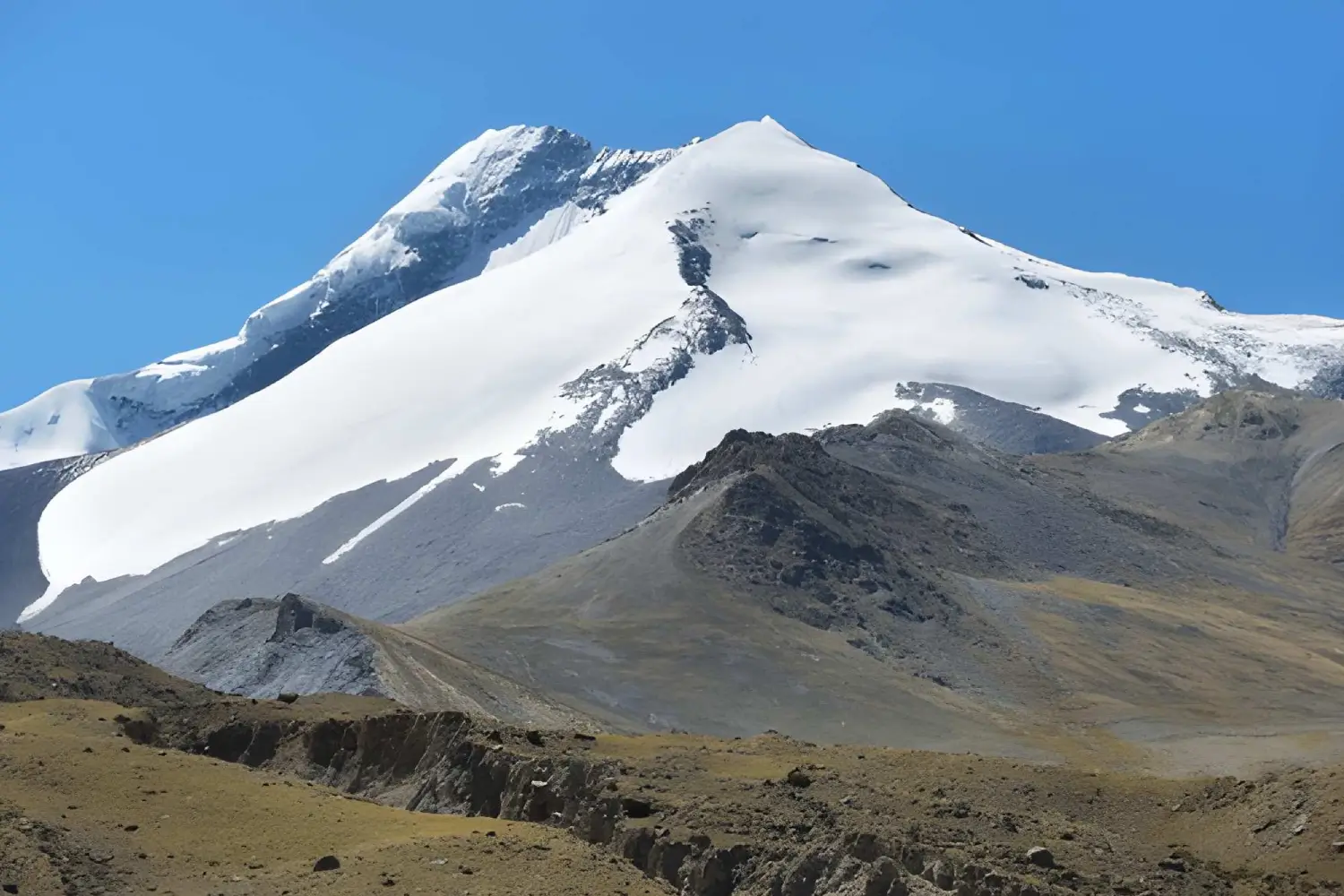
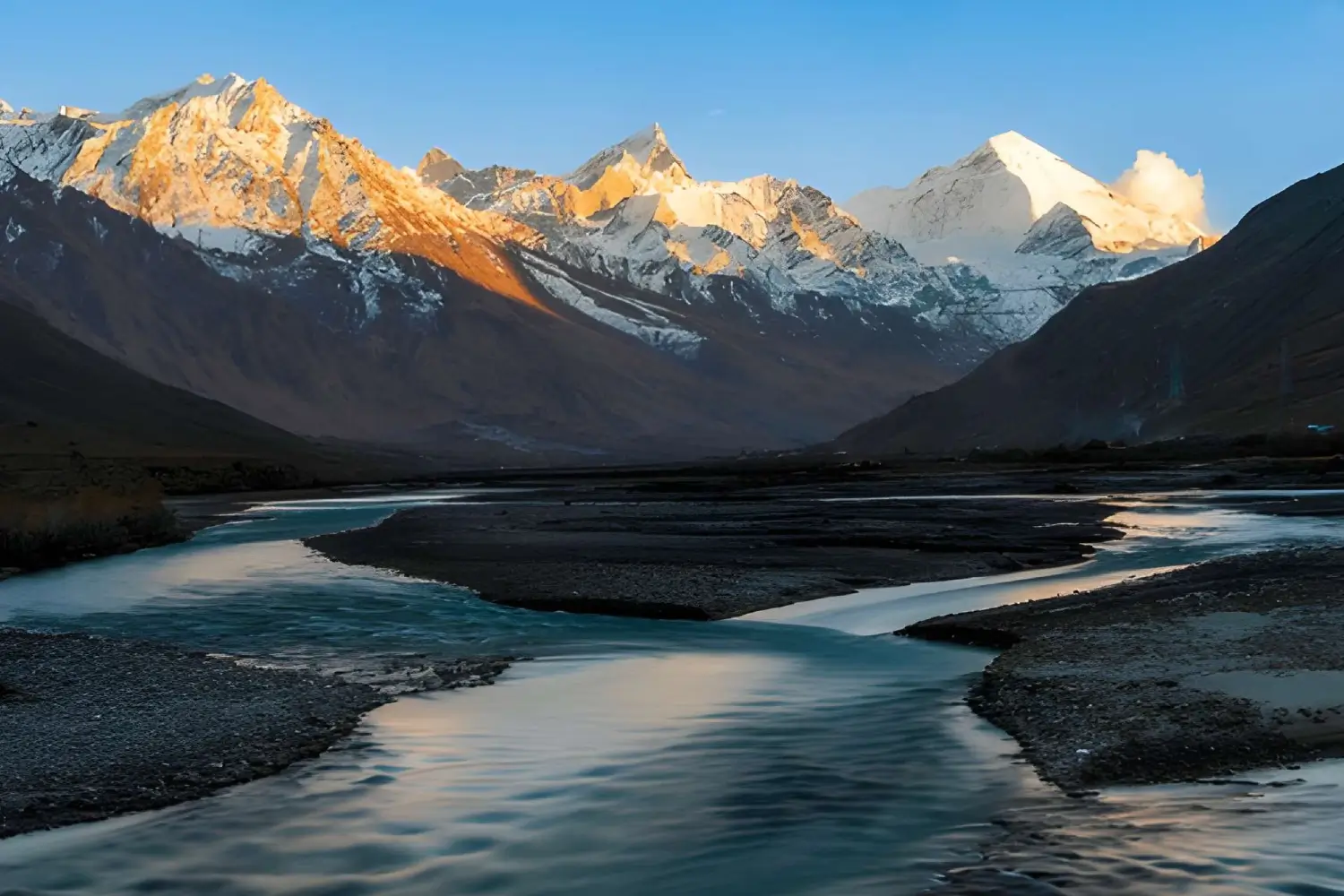
hardStanding at 7,077 m, Mount Kun is the second - highest peak in Ladakh's Suru Valley. It offers an excellent expedition
Starting from USD 3885 / Per person
 hard
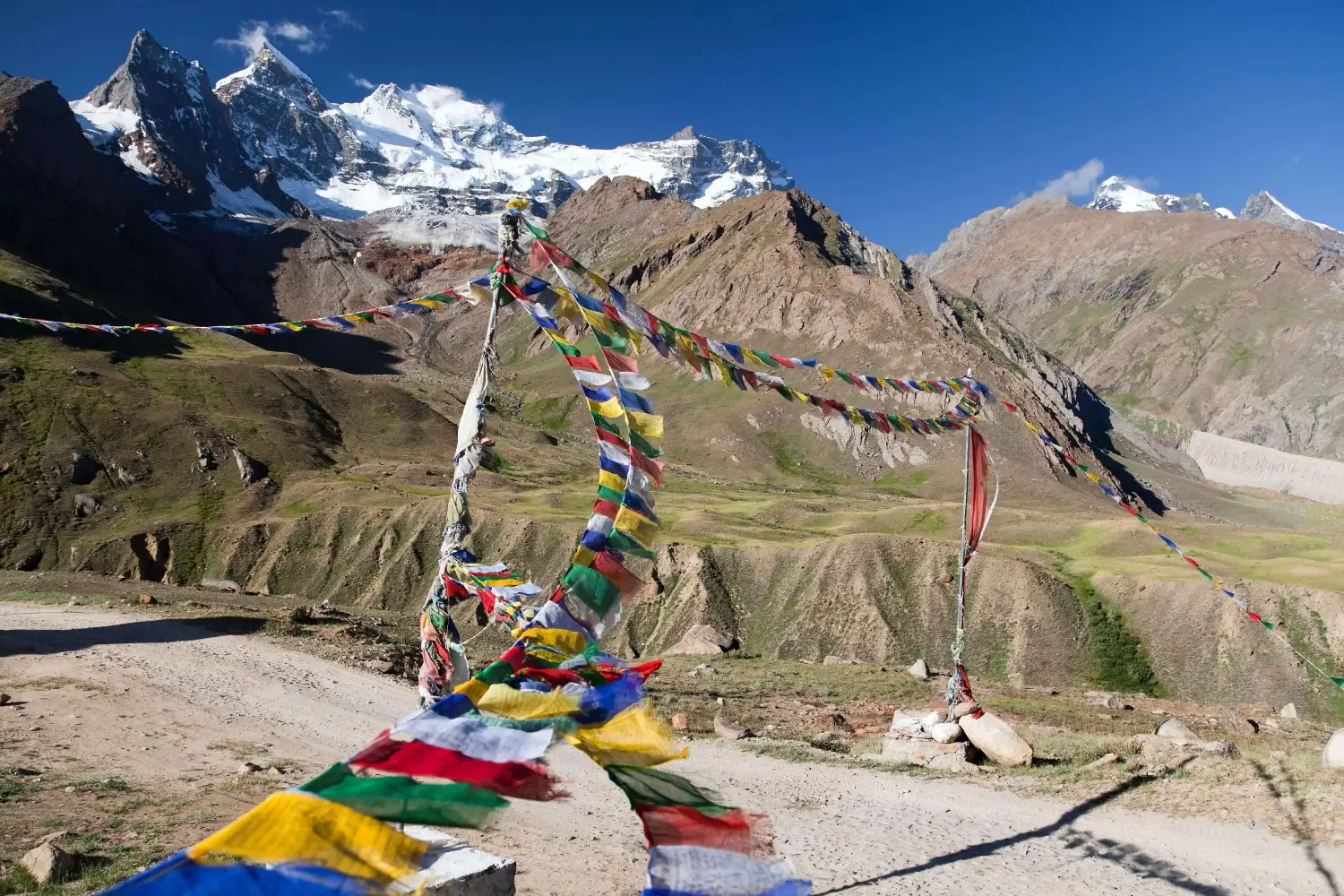
hardRising to an impressive 7,135 m, Mount Nun is the highest peak in Ladakh and is one of the best peaks for climbing for serious climbers.
Starting from USD 3885 / Per person
hardLadakh, India's adventure capital, is a paradise for trekkers and mountaineers, offering some of the Himalaya's most thrilling expeditions.
Starting from USD 1485 / Per person