Panch Kailash of the Himalayas
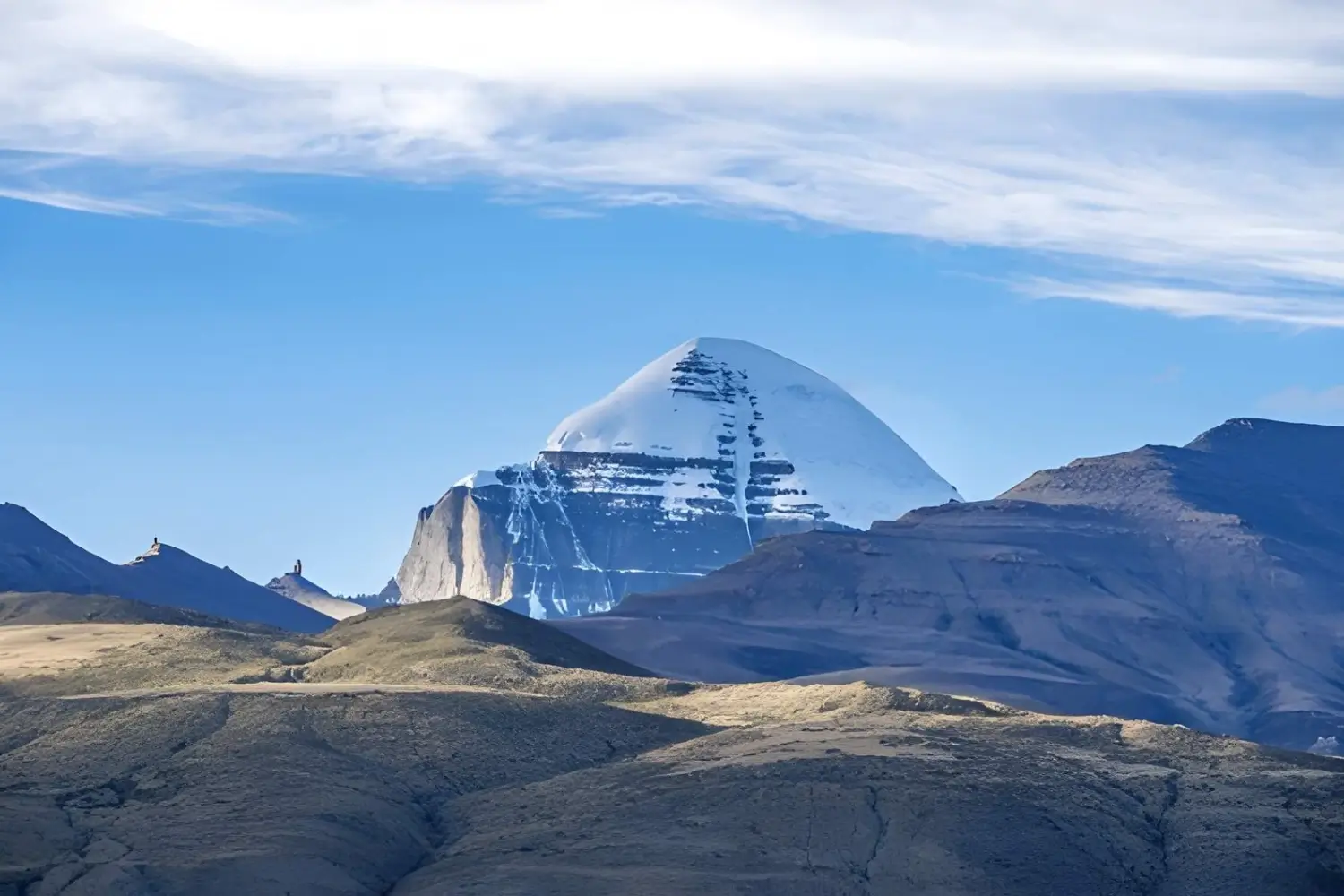
High in the Himalayas, beyond motorable roads and familiar landscapes, stand five peaks that have drawn seekers for centuries. Together, they are known as the Panch Kailash, each one believed to be a sacred abode of Lord Shiva and each one demanding a different kind of journey.
These are not part of a single trail or a neatly planned circuit. Mount Kailash in Tibet, Adi Kailash in Uttarakhand, and the three Kailash peaks in Himachal Pradesh, Kinnaur Kailash, Manimahesh, and Shrikhand Mahadev, must each be undertaken separately, with their own routes, challenges, and preparations.
Some yatras are accessible with moderate effort. Others push you into high - altitude terrain where preparation becomes non - negotiable. This guide breaks down all five Panch Kailash journeys so you can understand not just their significance but also which one you are truly ready for.
Panch Kailash Yatra at a Glance
| Kailash | Location | Difficulty | Best For |
|---|---|---|---|
| Mount Kailash | Tibet | Very High | Spiritual seekers, experienced travellers |
| Adi Kailash | Uttarakhand | Moderate | Accessible Kailash experience |
| Kinnaur Kailash | Himachal | Challenging | Trekking + pilgrimage |
| Manimahesh Kailash | Himachal | Moderate | Traditional pilgrimage |
| Shrikhand Mahadev | Himachal | Very Challenging | Experienced trekkers |
Which Panch Kailash Yatra Should You Choose ?
Each Kailash journey varies significantly in difficulty and accessibility.
- First-time pilgrims : Adi Kailash, Manimahesh
- Moderate trekking experience: Kinnaur Kailash
- Experienced trekkers: Shrikhand Mahadev
- Ultimate pilgrimage: Mount Kailash (Tibet)
Choosing the right yatra depends on your physical fitness, travel time, and readiness for high-altitude conditions.
The Spiritual Philosophy Behind the Panch Kailash
The five Kailash peaks are not simply five separate holy places. They represent a complete spiritual philosophy. Each peak is believed to embody a distinct essence of Lord Shiva: one represents the cosmic, formless presence; another the primal origin; another the union with Parvati; another the protector and provider of the natural world; and another the fierce, unconquerable power of divine energy. Together, they form a complete portrait of Shiva's multidimensional presence across creation.
For pilgrims who complete all five Yatras over the course of a lifetime, the journey is understood as a full spiritual awakening, a progressive shedding of the ego and a deepening surrender to something greater than the self. Even completing a single Kailash Yatra with genuine devotion is considered a profoundly meritorious act that brings the blessings of Lord Shiva into the pilgrim's life.
Mount Kailash (Kailash Mansarovar), Tibet : The Crown of All Kailash
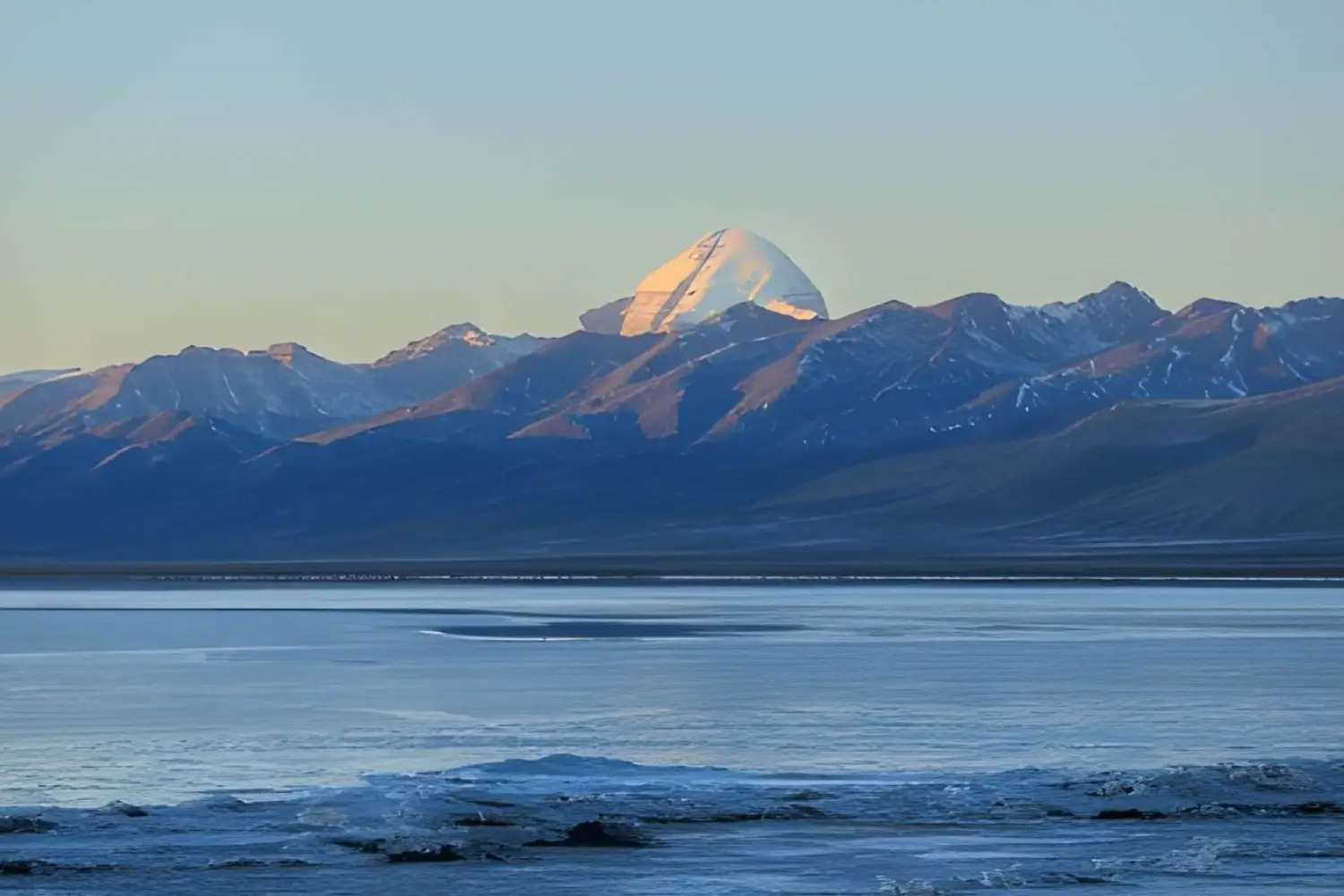
- Location : Tibet
- Difficulty : Very High
- What makes it special : The most sacred of all Kailash peaks, revered across multiple religions.
- Key experience : 52 km Parikrama crossing Dolma La Pass (5,630 m).
- Reality check : Requires permits, international travel, and strong physical preparation.
Of all the five peaks, Mount Kailash holds the supreme position. It stands at an elevation of 21,778 feet in the Ngari region of Tibet, China, and is considered the holiest of all the Panch Kailash peaks. The religious significance of Mount Kailash extends far beyond Hinduism. It is revered as sacred in Buddhism, Jainism, the ancient Bon religion of Tibet, and among certain Chinese religious traditions, making it one of the most universally venerated mountains on earth.
The Spiritual Significance
In Hindu mythology, Lord Shiva is believed to reside permanently at the summit of Mount Kailash, meditating in eternal bliss alongside Goddess Parvati. The nearby Lake Mansarovar, one of the highest freshwater lakes in the world, is considered the purest body of water in existence, and taking a dip in its sacred waters is believed to wash away the sins of multiple lifetimes. Pilgrims who complete this journey often describe it as the single most transformative experience of their lives.
The Kailash Mansarovar Pilgrimage
The central act of the Kailash Mansarovar pilgrimage is the Parikrama, a 52-kilometre circumambulation of Mount Kailash that crosses the Dolma La Pass at 5,630 metres. This high-altitude circuit, often undertaken barefoot by devout pilgrims, can take between three days and a week depending on the pace. The pass itself is adorned with colourful prayer flags that flutter in the mountain wind, and the crossing is considered the spiritual peak of the entire journey.
Note :
- The Kailash Mansarovar Yatra requires special government permits and is accessible from India via the Lipulekh Pass in Uttarakhand or through Nepal.
- The official yatra season runs from late April to October, with May to September being the ideal window.
Given its location in Tibet, this is the most logistically demanding of all the five sacred Kailash peaks, but for millions of devotees, it remains the ultimate Himalayan pilgrimage experience.
Adi Kailash (Chhota Kailash), Uttarakhand: The Primal Form of Shiva
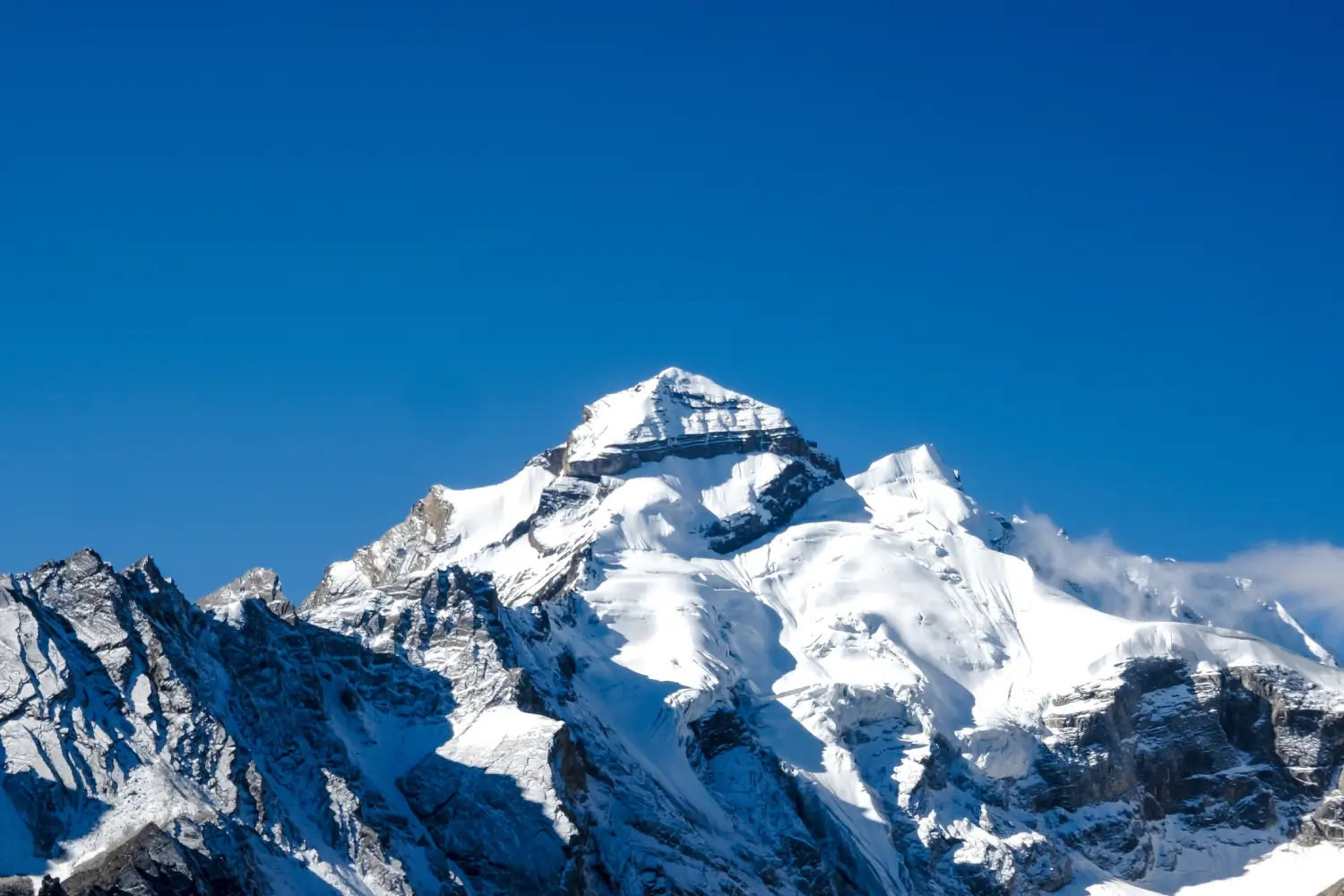
Situated in the Pithoragarh district of Uttarakhand, near the Indo-China border, Adi Kailash is the second most important among the Panch Kailash. It is also known as Chhota Kailash, Baba Kailash, or Jonglingkong Peak and is often described as the twin of Mount Kailash because of the striking resemblance both the peak and the nearby lake bear to the Kailash Mansarovar setting in Tibet.
The Spiritual Significance
According to mythology, Adi Kailash represents the Adi Shiva, or the primal form of Lord Shiva, the original and formless existence that precedes all creation. Pilgrims who visit this site offer homage at the serene Parvati Sarovar, also known as Jolingkong Lake, which lies at the base of the peak and is considered a glacial lake of immense sanctity. The setting of a white pyramid peak reflected in a still glacial lake is so similar to the Mansarovar-Kailash landscape that many pilgrims regard a visit here as spiritually equivalent to the Tibet journey.
The Adi Kailash Yatra
The Adi Kailash Yatra begins from Pithoragarh and follows a route through the Dharchula and Gunji areas. Since the construction of a new road through Gunji up to the base of Adi Kailash, a significant portion of the journey can now be completed by vehicle, with only a short trekking section remaining. Near Adi Kailash lies Om Parvat, a mountain whose snow-covered surface forms a natural impression of the sacred symbol Om, visible to the naked eye under the right conditions. The sight of this natural formation is considered an extraordinary blessing by pilgrims.
The region near Adi Kailash is also closely associated with the Kailash Mansarovar Yatra route and has historically been a convergence point for pilgrims travelling the ancient Tibetan roads. The spiritual and geographic importance of this area makes it one of the most significant stops in any sacred Himalayan pilgrimage.
Kinnaur Kailash (Kinner Kailash), Himachal Pradesh: The Shivalingam of Rock
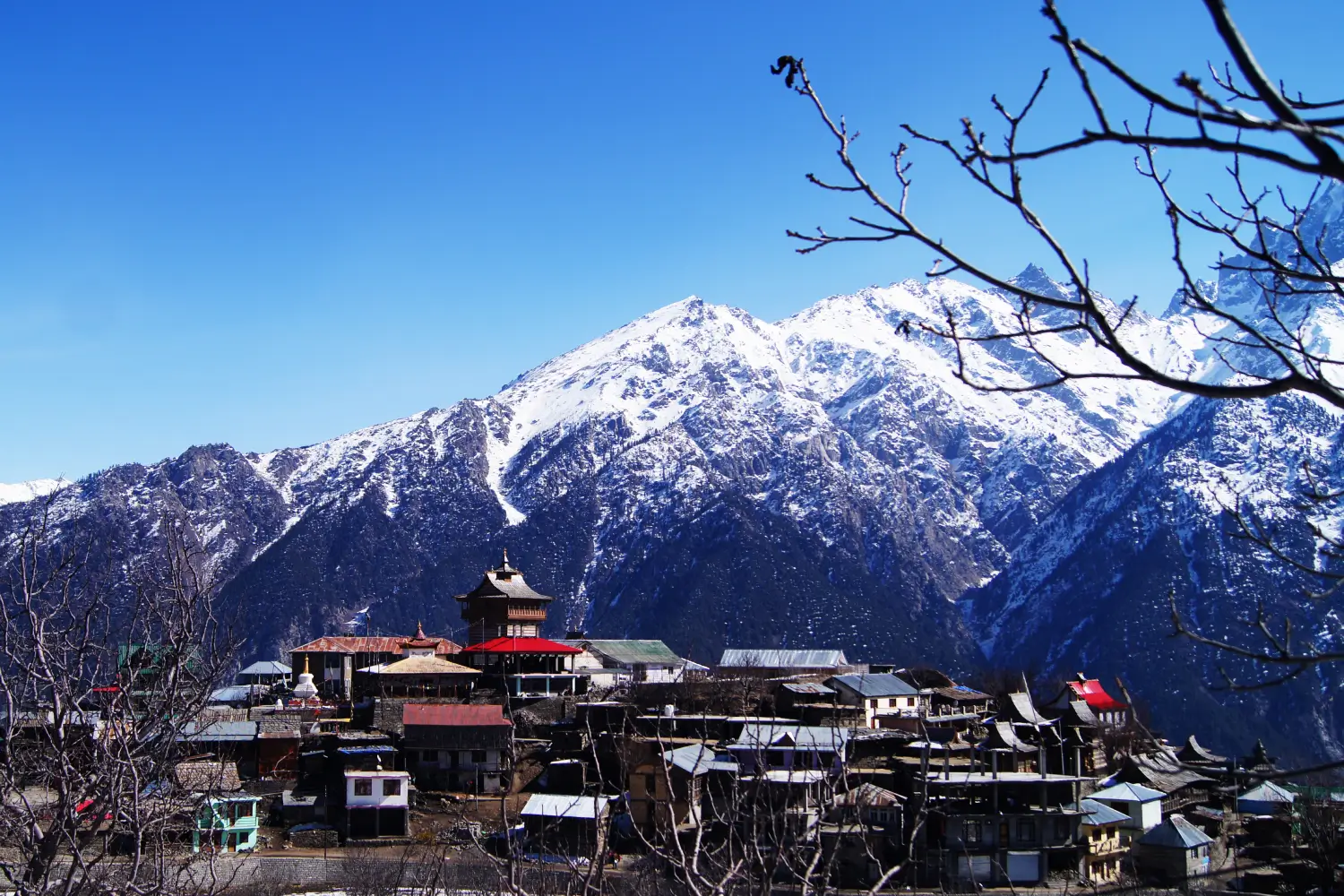
- Location: Kinnaur district, Himachal Pradesh
- Difficulty: Challenging to very challenging
- What makes it special: Home to a 79-foot natural rock Shivlingam that changes colour through the day.
- Key experience: Trek from Tangling village to the high-altitude Shivlingam
- Reality check: Demanding trek with altitude gain; permits and physical fitness are essential
Located in the Kinnaur district of Himachal Pradesh, close to the Indo-Tibetan border, Kinnaur Kailash is one of the most visually extraordinary pilgrimage sites anywhere in India. The peak stands at an altitude of approximately 6,050 metres and is considered sacred by both Hindus and Buddhists, reflecting the unique religious character of Kinnaur, a district where these two ancient traditions have coexisted and intertwined for centuries.
The Monolith of Kinner Kailash
The centre of worship at Kinnaur Kailash is not the summit itself but the Kinner Kailash Shivlingam, a naturally formed vertical rock pillar that stands 79 feet tall at an elevation of approximately 4,800 metres. This extraordinary monolithic formation is believed to be the earthly manifestation of Lord Shiva, and it possesses one of the most astonishing qualities of any natural structure in the Himalayas: it changes colour with the shifting light throughout the day. As the sun moves across the sky, the Shivlingam transitions through shades of white, yellow, orange, and dark grey, a phenomenon that has deepened the devotion of pilgrims for generations.
The Spiritual Significance
According to Hindu mythology, Kinnaur Kailash is the winter abode of Lord Shiva. When the snows descend and the high passes close, devotees believe that Shiva retreats to this sacred peak until the warmth returns. The region of Kinnaur itself takes its name from the Kinnars, mythological celestial beings described in ancient texts as divine musicians, half-human and half-divine, who were believed to dwell in these very mountains.
The Kinner Kailash Yatra
The Kinner Kailash Parikrama, a circumambulation of the entire mountain range, is the most complete and spiritually demanding version of the pilgrimage. The Charang La pass on this circuit reaches an altitude of 5,300 metres and requires a minimum of five to seven days, prior high-altitude trekking experience, and a medical fitness certificate. The more common direct Yatra route begins from Tangling village near Reckong Peo and takes approximately four days. The route passes through apple orchards, pine forests, glacial streams, alpine meadows, Parvati Kund (a sacred high-altitude lake), and finally the Shivlingam itself.
For those who complete this journey, the experience is described as both humbling and deeply clarifying. The landscape of Kinnaur, with its hanging glaciers, deep Sutlej River gorges, ancient monasteries, and apple orchards, forms one of the most distinctive and beautiful trekking backdrops in all of Himachal Pradesh.
Note:
- The Kinnaur Kailash trek is administratively regulated.
- As per the Himachal Pradesh Miscellaneous Adventure Activities Rules 2017, every trekker must obtain prior permission from the district tourism office and camping permission from the forest department.
- The Kinnaur district administration has also set a limit of 75 trekkers per day during the official Yatra period to protect both the pilgrims and the fragile mountain ecosystem.
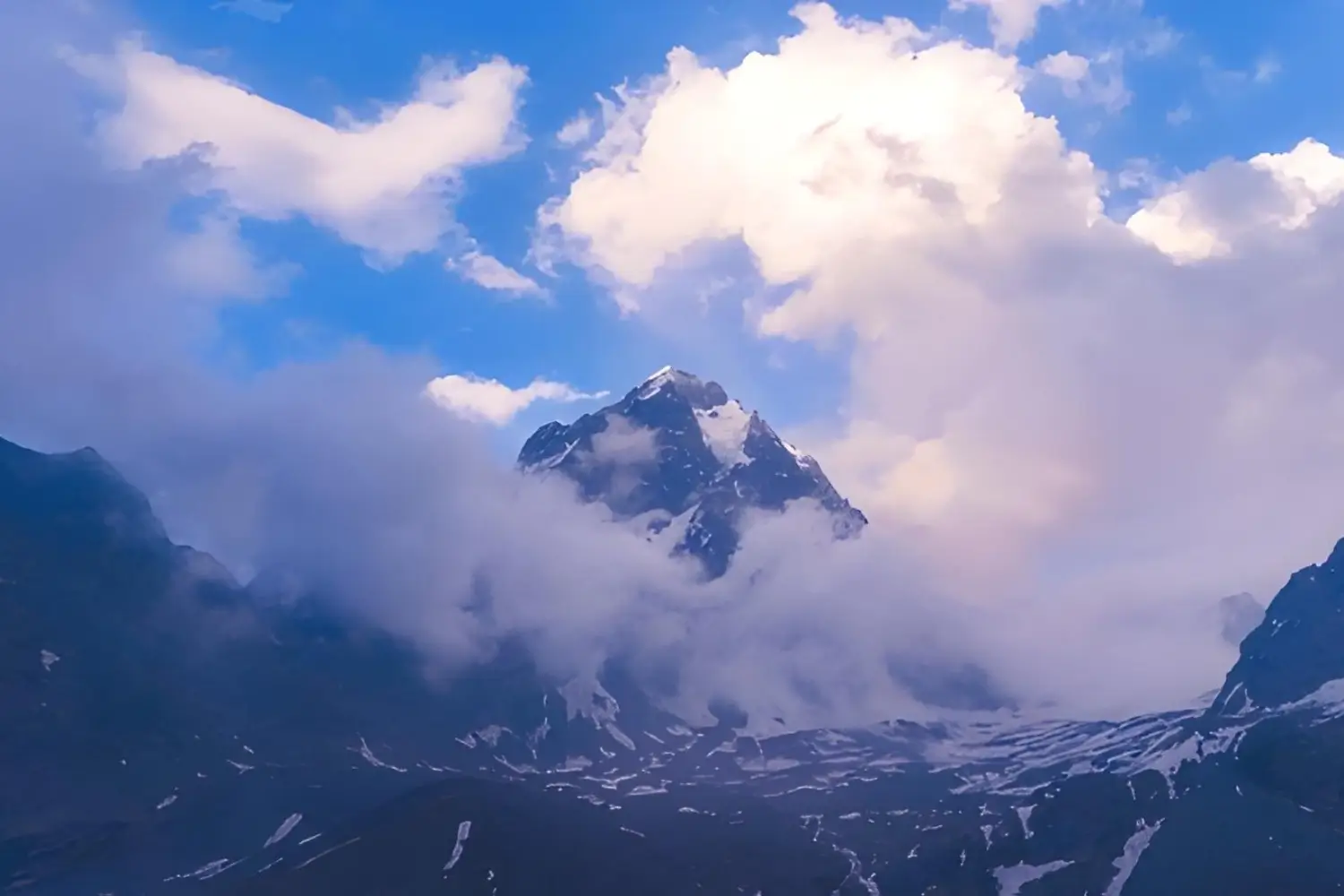
Manimahesh Kailash (Chamba Kailash), Himachal Pradesh : The Jewel on Shiva's Crown
- Location: Kullu district, Himachal Pradesh
- Difficulty: Very challenging
- What makes it special: One of the toughest pilgrimage treks in India, leading to a towering natural Shivling.
- Key experience: 32 - 35 km trek from Jaon to the summit through steep and glacial terrain
- Reality check: Extremely demanding trek requiring prior high-altitude experience and strong endurance
Of the three Panch Kailash peaks within Himachal Pradesh, Manimahesh Kailash is perhaps the most well-known and the most accessible in terms of the annual pilgrimage it draws. Located in the Bharmour subdivision of Chamba district, this peak stands at an elevation of 5,656 metres and is also referred to as Chamba Kailash. The name Manimahesh translates literally as "the jewel on Shiva's crown", derived from the belief that a radiant jewel adorns the summit of the peak and that on clear full moon nights, its glow can be seen reflected in the lake below.
Manimahesh Lake
At the base of Manimahesh Kailash, at an elevation of 4,080 metres, lies the Manimahesh Lake, also called Dal Lake. This glacial lake is the heart of the pilgrimage and is considered so sacred that its religious significance is regarded as second only to Lake Mansarovar in Tibet. The lake is sourced by snowmelt from the surrounding mountain slopes and is considered a glacial marvel of extraordinary natural and spiritual beauty. The pristine waters of the lake carry the reflection of the snow-capped Kailash peak above, creating a sight that pilgrims describe as the direct darshan of Lord Shiva.
The Spiritual Significance
The mythology surrounding Manimahesh Kailash is rich and layered. According to the most widely recounted legend, Lord Shiva created this mountain and the lake at its base after his marriage to Goddess Parvati, who is worshipped here as Mata Girija. The snowfield at the base of the mountain is called Shiva's Chaugan, meaning Shiva's playground, by local people. A rock formation in the shape of a Shivling on the mountain's face is believed to be the direct manifestation of Lord Shiva. Near the lake, approximately one and a half kilometres below its shore, lie two additional sacred water bodies called Gauri Kund and Shiva Krotri, where it is customary for women pilgrims to bathe in the former and men in the latter before proceeding to the main lake.
Manimahesh Yatra
The annual Manimahesh Yatra is a state-level pilgrimage declared and supported by the Government of Himachal Pradesh. It takes place in August and September, timed to coincide with Radha Ashtami, the fifteenth day after Janmashtami. The pilgrimage season typically runs between mid-August and the end of August. During this period, thousands of pilgrims undertake the 13-kilometre trek from the road end at Hadsar to the Manimahesh Lake. The colourful Chhari procession, led by sadhus carrying the sacred staff of Gur Charpathnath from the Laxmi Narayan temple in Chamba town, is one of the most visually striking traditions associated with any pilgrimage in Himachal Pradesh.
Note:
- Registration is mandatory for the Manimahesh Yatra.
- Pilgrims can approach the lake from three routes: the main route via Chamba and Bharmour, the Lahaul and Spiti route through Kugti Pass, and the Kangra and Mandi route through Karwarsi or Jalsu passes.
- The easiest and most frequented route is from Chamba via Bharmour to Hadsar and then up the 13-kilometre trek to the lake.
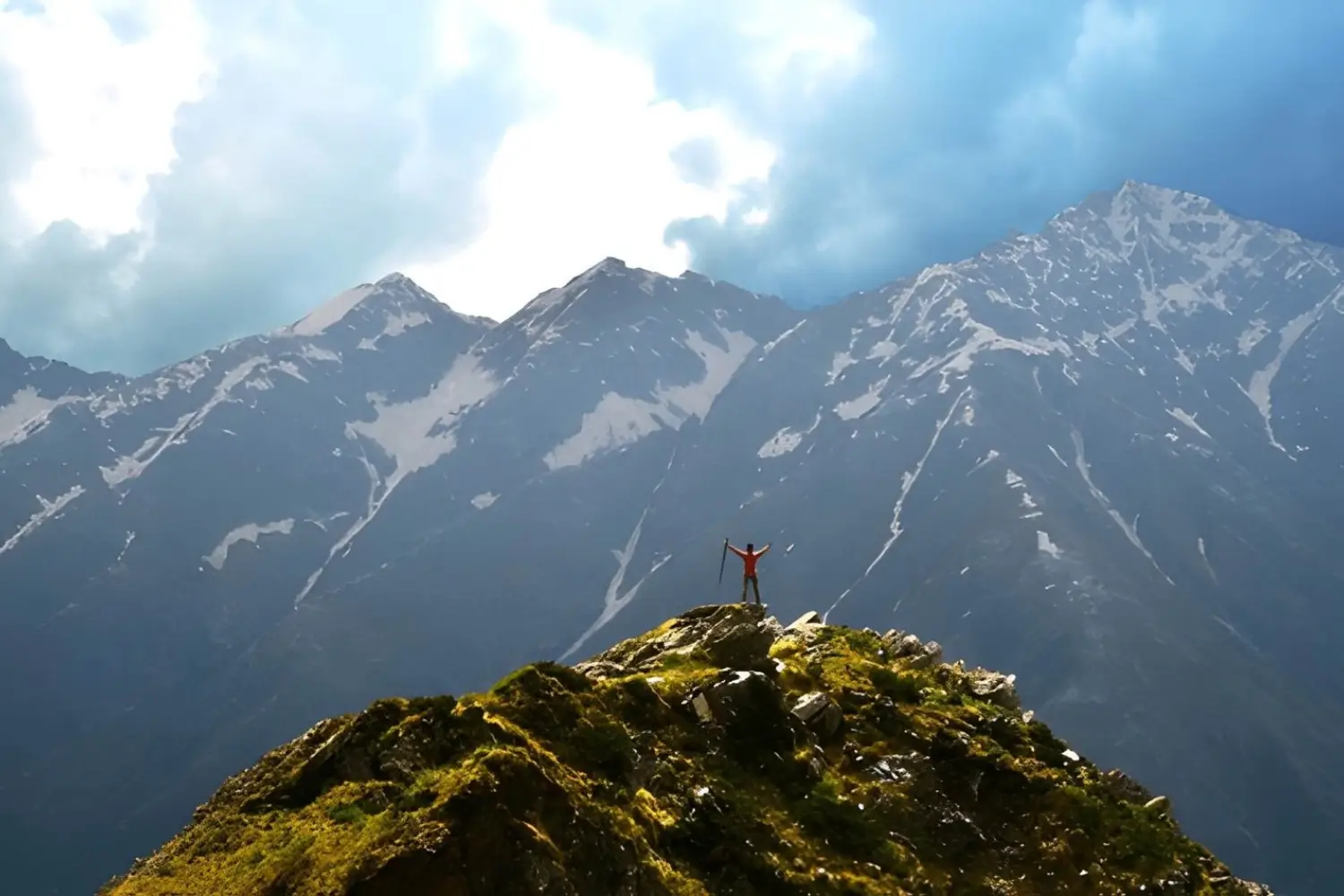
Shrikhand Mahadev (Shikhar Kailash), Himachal Pradesh: The Toughest of All Sacred Journeys
- Location : Kullu district, Himachal Pradesh
- Difficulty : Very challenging
- What makes it special : One of the toughest pilgrimage treks in India, leading to a towering natural Shivling.
- Key experience : 32 - 35 km trek from Jaon to the summit through steep and glacial terrain
- Reality check : Extremely demanding trek requiring prior high-altitude experience and strong endurance
Of all the Panch Kailash peaks, Shrikhand Mahadev demands the most from those who seek its darshan. Located in the Nirmand sub-division of the Kullu district in Himachal Pradesh and ranked the third most important among the five Kailash, Shrikhand Mahadev is widely regarded as one of the toughest pilgrimage treks in all of India. The peak stands at an altitude of approximately 5,227 metres (17,150 feet), and the physical structure that crowns it is a naturally occurring Shivalingam that rises 75 feet tall and 46 feet wide. This immense rock formation at the summit is the goal of tens of thousands of pilgrims who make the gruelling journey each year.
The Spiritual Significance
The Shrikhand Mahadev is steeped in mythology that spans both the Shaivite tradition and the epic tale of the Mahabharata. According to Hindu tradition, Lord Shiva himself meditated at this peak, leaving his divine imprint on the mountain.
Several sacred sites mark the route to the summit. Bheem Dwar, located at an altitude of approximately 12,175 feet, is associated with the Pandava Bheem, who is believed to have once rested here during the Pandavas' exile.
- There is a sacred site believed to be Bheem's unfinished staircase to heaven, a formation of stones arranged in a staircase pattern.
- Nain Sarovar, a high-altitude lake at 14,527 feet, is believed to have been formed from the tears of Goddess Parvati as she waited for Lord Shiva.
- Parvati Bagh, the last grassland on the trail before the snowfields begin, is a meadow of extraordinary beauty that serves as the final resting point before the summit push.
Shrikhand Mahadev Pilgrimage/Trek
The Shrikhand Mahadev trek begins from Jaon village in the Kullu district, approximately 167 kilometres from Shimla. The one-way distance from Jaon to the Shrikhand summit is approximately 32 to 35 kilometres, making the full round trip approximately 65 to 70 kilometres.
Given its difficulty, Shrikhand Mahadev is not recommended for first-time high-altitude trekkers. Prior experience of at least one high-altitude trek is strongly advised. The age limit for most organised Yatras is between 16 and 50 years. All trekkers are advised to carry medical certificates confirming their fitness for high-altitude conditions.
Note:
- The official Shrikhand Mahadev Yatra is organised annually during the Shravan month of the Hindu calendar, typically falling between late June and early August.
- The Himachal Pradesh government declares the trail open for the Yatra each year based on weather and snow conditions.
- Outside of the official Yatra period, the trail is accessible from approximately June to September, though monsoon conditions between July and August can create additional hazards, including slippery paths and the risk of landslides.
Practical Information for Planning Your Panch Kailash Yatra
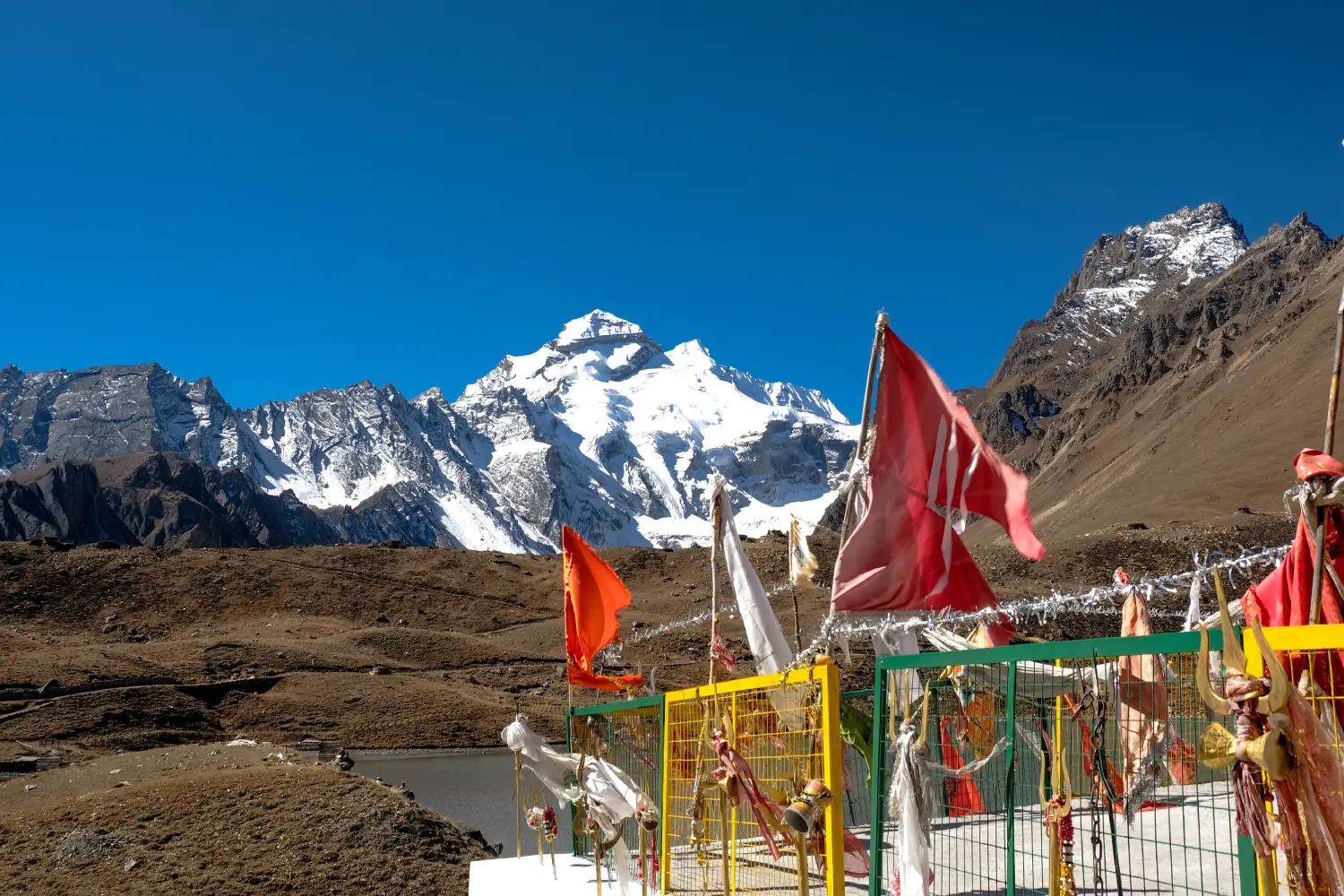
- Visiting all five Kailash peaks in a single journey is logistically very difficult; most pilgrims plan visits across different years, undertaking one or two Kailashas at a time.
- The best season across all five peaks is between May and September, though each peak has its own specific Yatra season, some tied to the Hindu calendar, so checking exact dates before planning is essential.
- For the Himachal Pradesh peaks, Bhuntar and Bharmour are the base towns for Manimahesh, Reckong Peo and Kalpa for Kinnaur Kailash, and Shimla and Rampur for Shrikhand Mahadev at Jaon.
- The nearest airports are Bhuntar Airport in Kullu and Jubbarhatti Airport near Shimla; the nearest major railway stations are Pathankot and Kalka, both well-connected to Delhi and other major cities.
- Physical fitness is non-negotiable; cardiovascular training and endurance building several weeks in advance, along with proper acclimatisation, are strongly advised before attempting any of the five peaks.
- Warm layered clothing and basic altitude sickness medication are essential across all peaks, even in summer, as temperatures at high altitude drop sharply after sunset.
- A medical fitness certificate is required for most organised Yatras, and a spirit of reverence for the mountain and the communities around it is the most important thing any pilgrim can carry.
The Panch Kailash does not call everyone. It calls the ones who are ready. These five sacred peaks rising through the spine of the Himalayas are not destinations you visit; they are thresholds you cross, each one demanding more of you than the last, each one giving back something that no words have yet been invented to describe. The mountains were here long before we arrived and will remain long after we are gone. What changes is the person who stands at their feet, looks up, and chooses to climb. Answer the call, walk with devotion, and let the Kailash do what it has done for thousands of years: transform the seeker into the found.
About Arun Joshi
A thoroughbred adventurer, Arun Joshi was born in the picturesque and landlocked district of Chamoli, Uttarakhand. He is well known for his close association with the Indian Himalayas for the past 16 years, and knows the region inside out. His vast knowledge and first-hand experience of trekking to the many challenging regions of the Indian Himalayas have also helped him to establish himself as the go-to guide in the region.
Recent Posts
5 Guided Treks in Uttarakhand to Try This Winter from January to March 2026
Feb 22, 2026
Famous Treks for Photography in the Indian Himalayas : A Visual Journey
Feb 10, 2026
15 Best Treks in Indian Himalaya for June and July
Jan 30, 2026
Top Treks in Sikkim To Make Your Summer 2026 Adventuresome
Jan 28, 2026
8 Best Monsoon Treks in the Indian Himalayas that You Must Do in 2026
Jan 15, 2026
Most Popular
8 Best Monsoon Treks in the Indian Himalayas that You Must Do in 2026
Jan 15, 2026
0 views
Top Treks in Sikkim To Make Your Summer 2026 Adventuresome
Jan 28, 2026
0 views
Famous Treks for Photography in the Indian Himalayas : A Visual Journey
Feb 10, 2026
0 views
5 Guided Treks in Uttarakhand to Try This Winter from January to March 2026
Feb 22, 2026
0 views
15 Best Treks in Indian Himalaya for June and July
Jan 30, 2026
0 views
Ultimate Himalayan Trekking Adventures Await
Join TrekkingInIndia.com for an unforgettable Himalayan journey through stunning mountains, peaceful valleys, and rich local culture.