Media Gallery
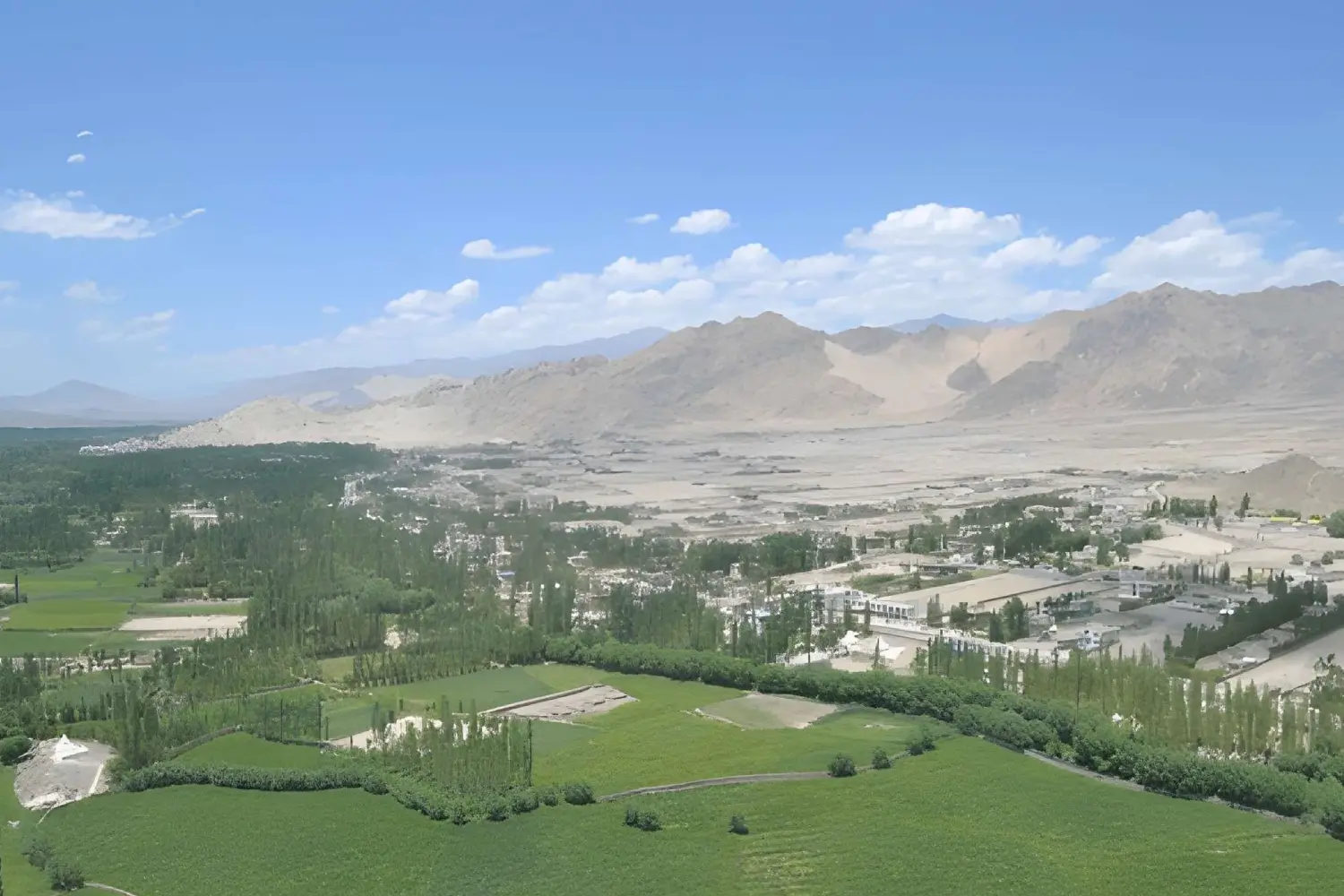
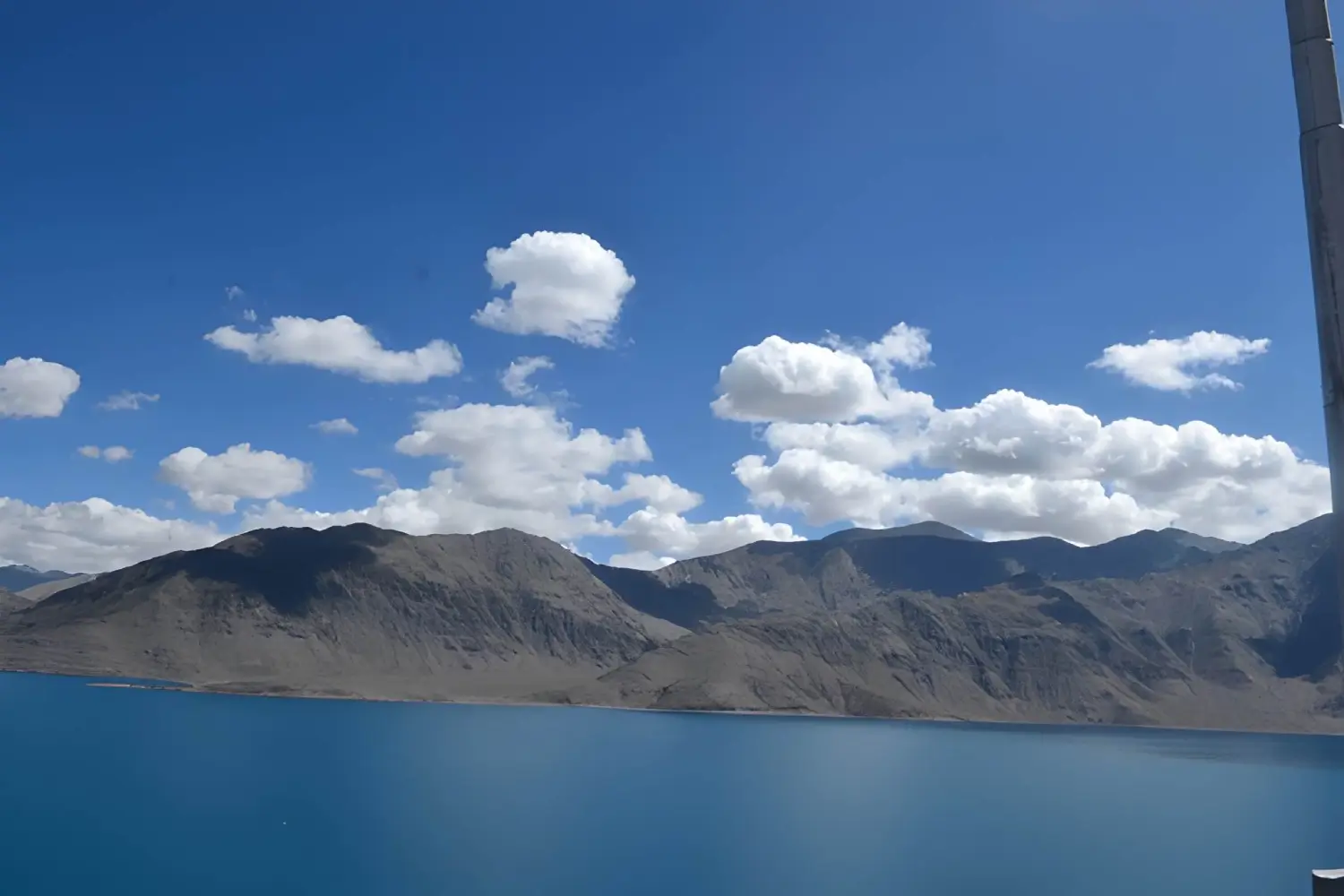
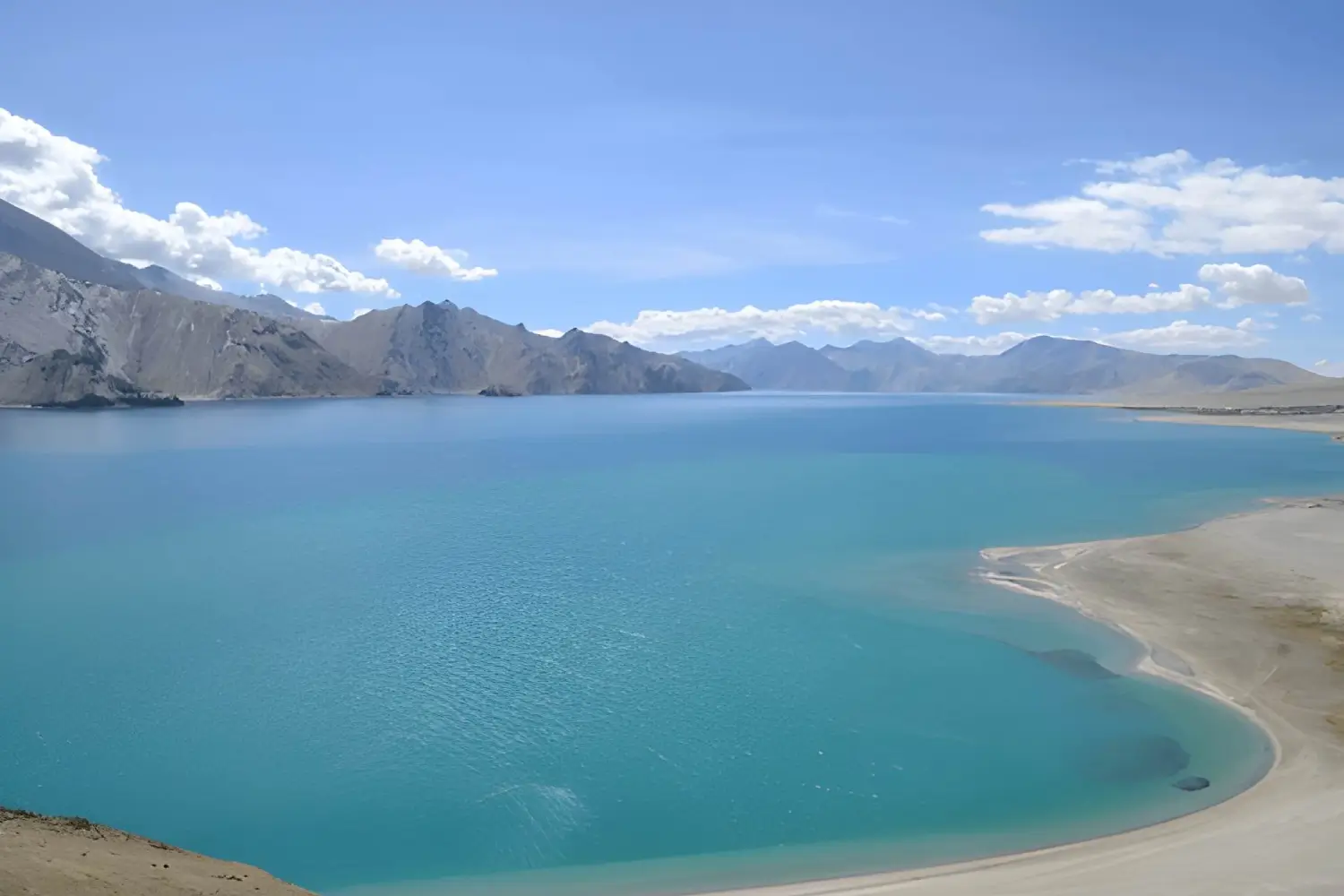
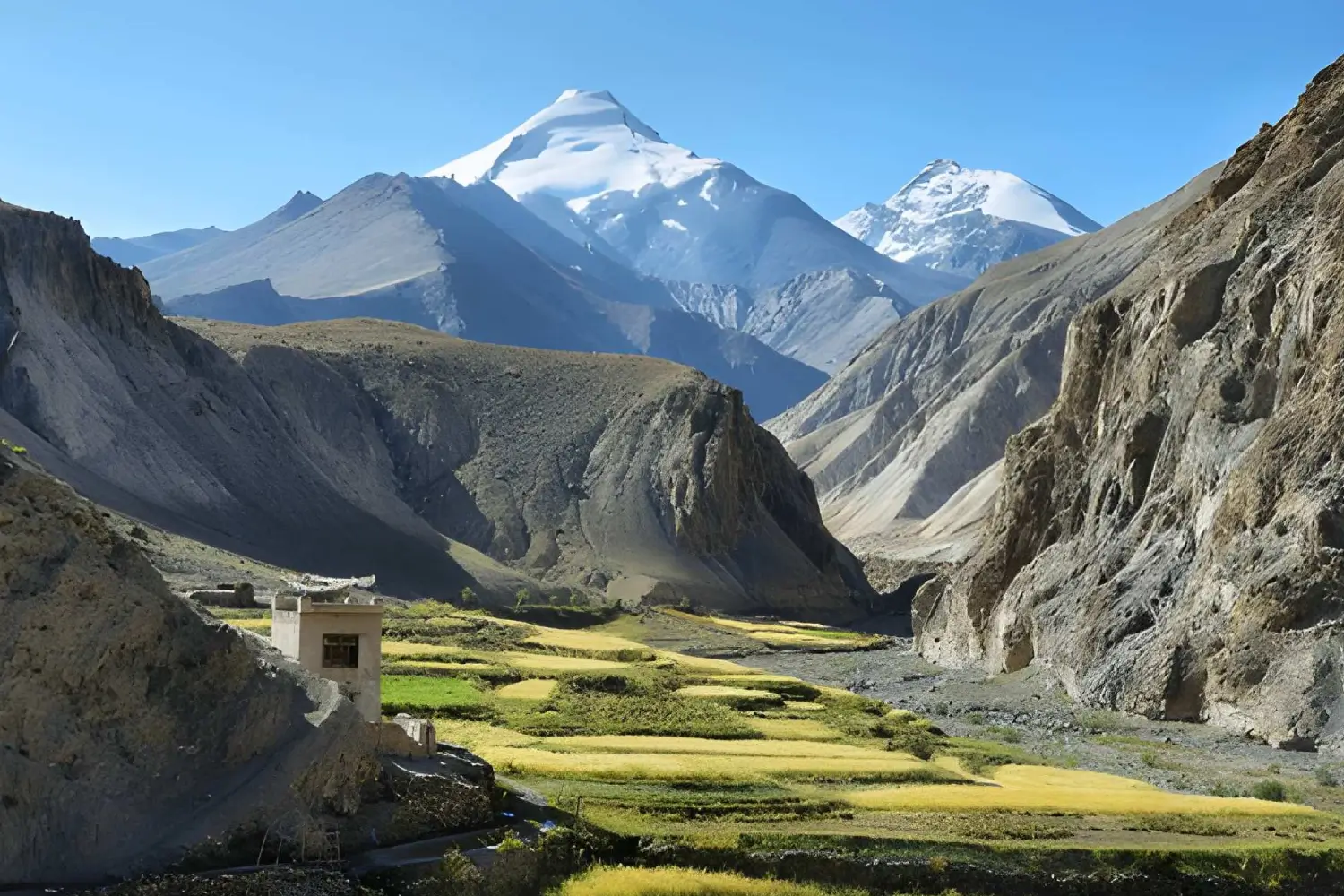
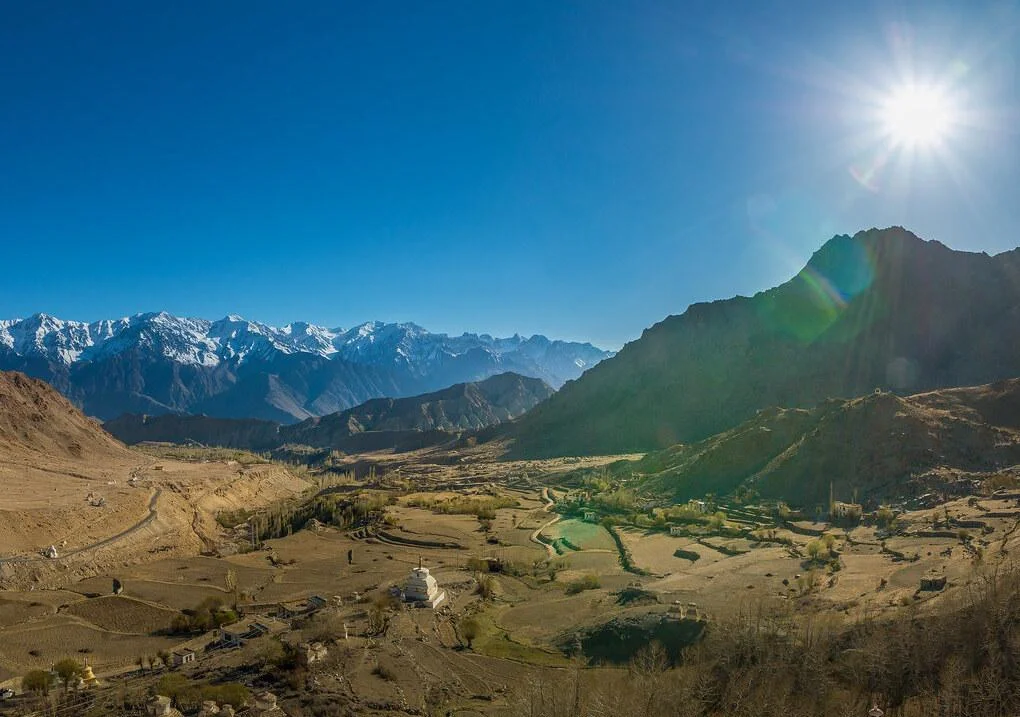
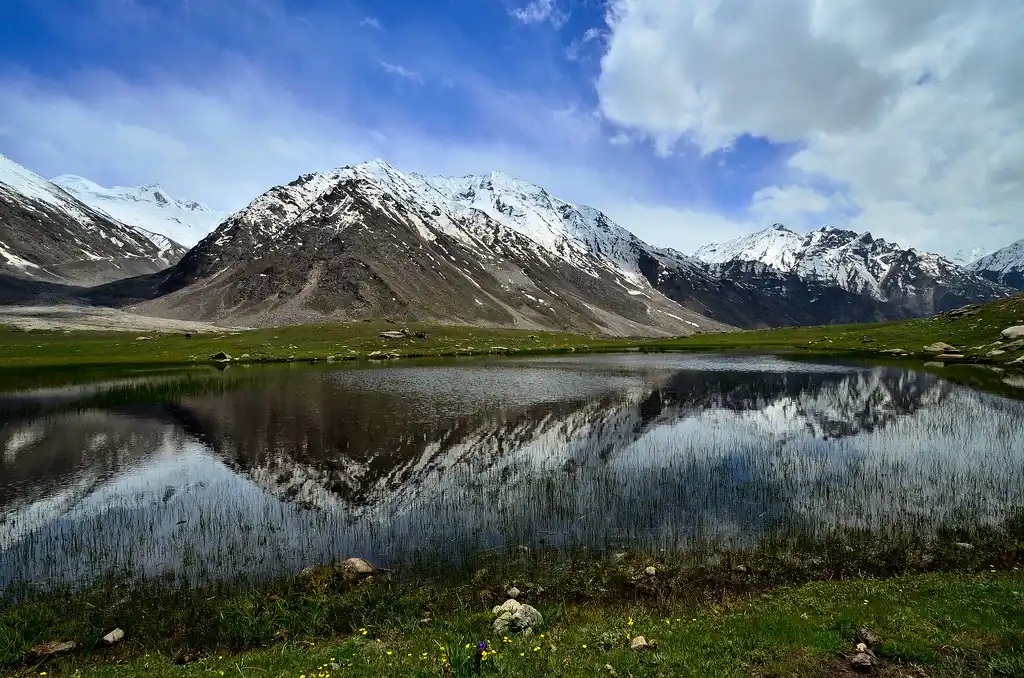
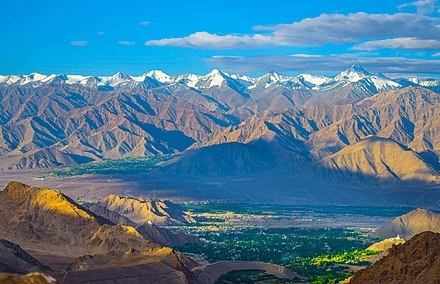
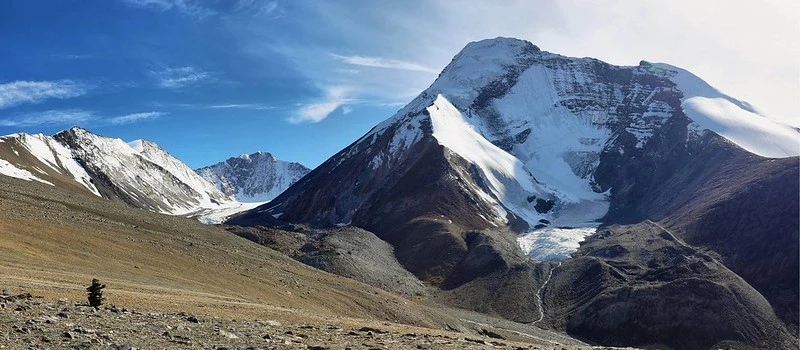
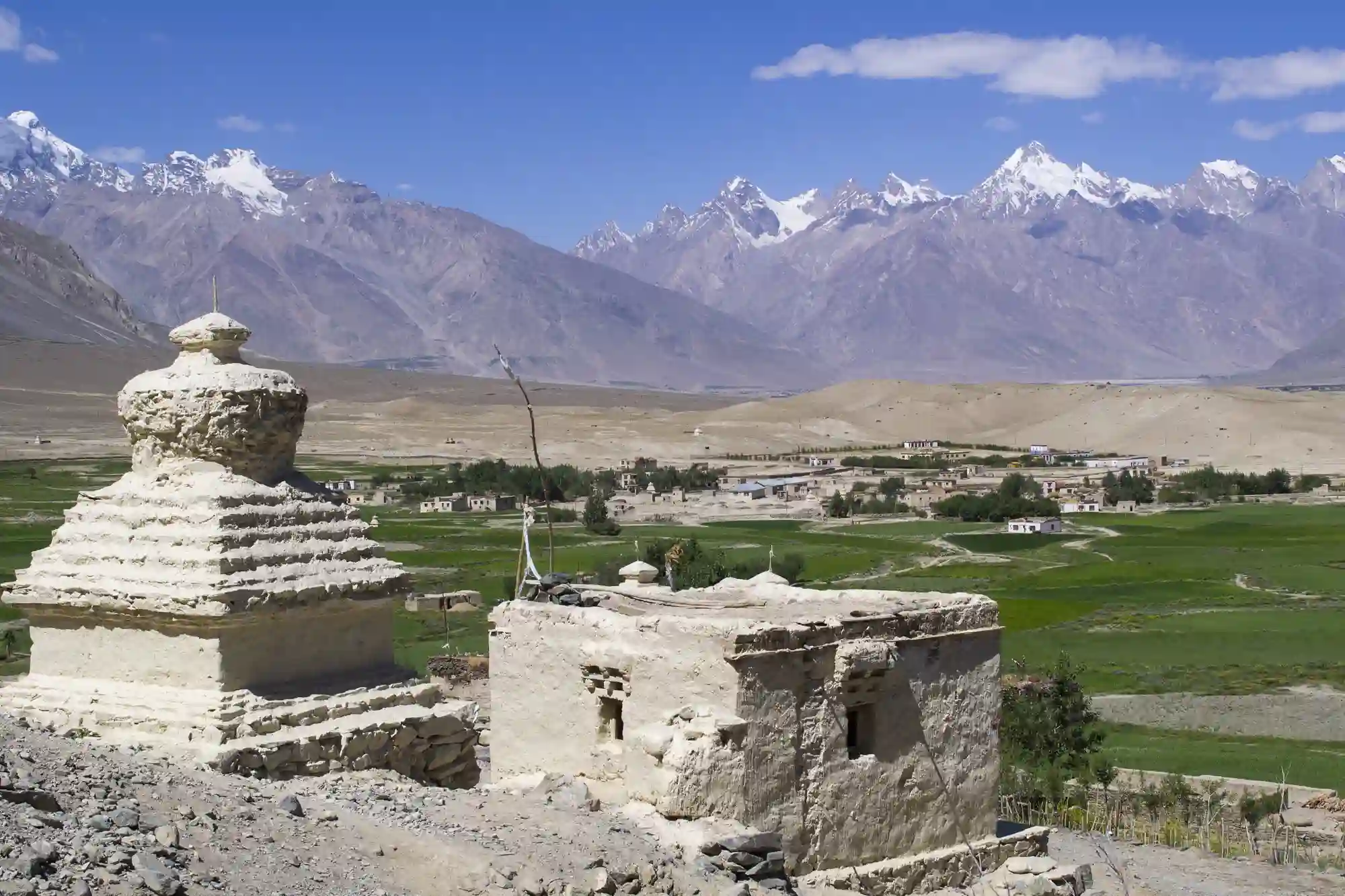
Ladakh is a land of striking contrasts, where stark desert mountains rise above lush valleys, ancient Buddhist monasteries crown rugged cliffs, and crystal - clear rivers carve deep gorges through the high Himalayas. Resting between the Great Himalaya and the Karakoram ranges, this high - altitude desert on the Tibetan Plateau remains one of India's most remote, pristine, and spiritually profound landscapes.
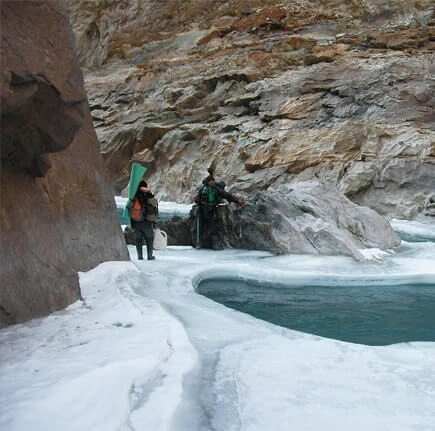
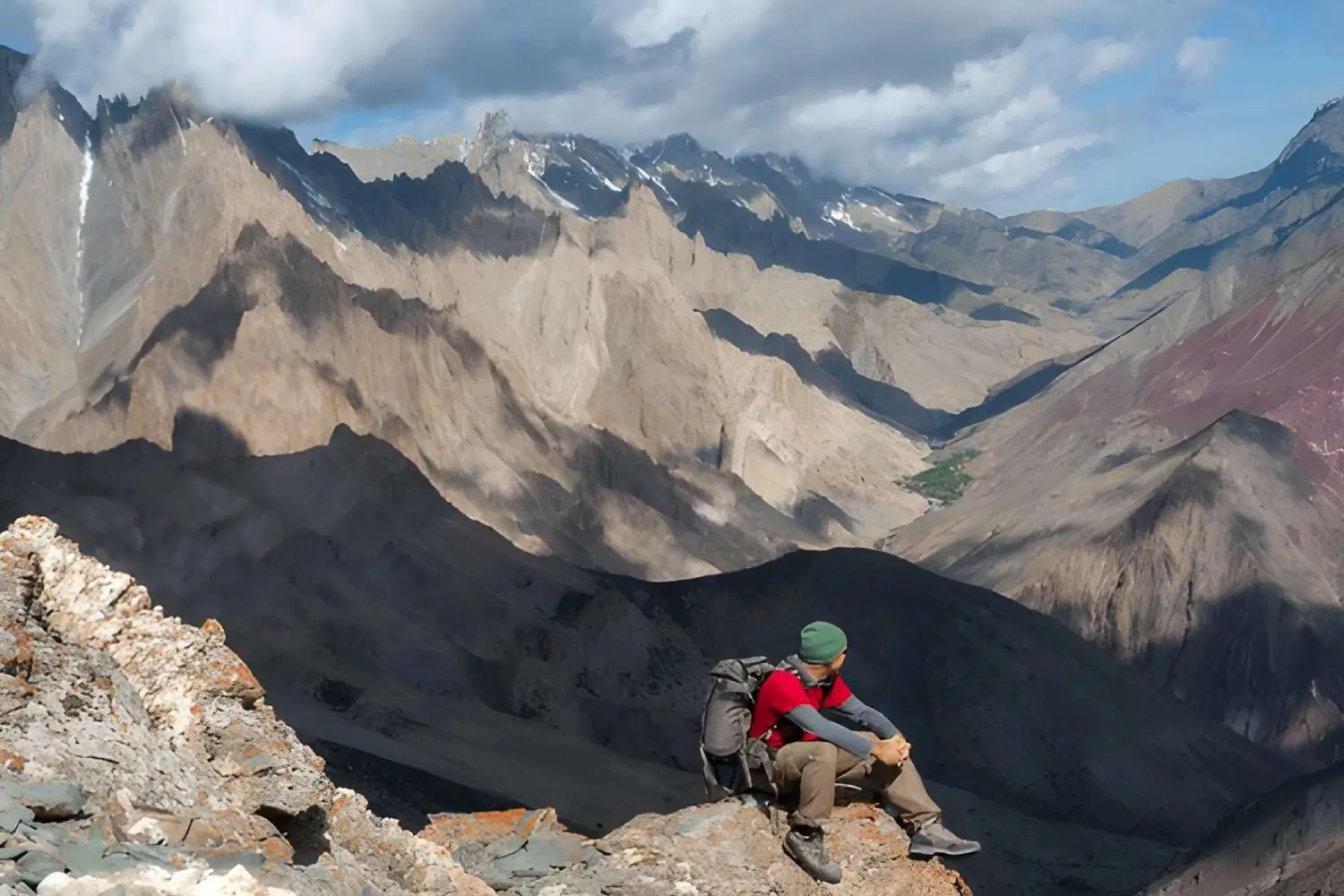
This trek in Ladakh leads seasoned trekkers into some of the region's most dramatic and secluded high valleys. Beginning in the quiet village of Chilling, the trail winds past centuries-old monasteries, crosses multiple high-altitude passes above 4,500 - 5,100 meters, and moves through remote settlements where barley fields, stone homes, and timeless traditions define daily life. Every step reveals Ladakh's raw wilderness and the deep cultural echo of its people.
This demanding trekking expedition in Ladakh blends adventure, high-altitude challenge, and historical richness. From exploring the vibrant monasteries of Shey, Thiksey, and Stakna to tackling major passes like Dungdungchen La, Konzke La, and Sniugutse La, and finally descending into Kanji, a beautiful Zanskar village, the journey promises unmatched Himalayan immersion for experienced trekkers seeking something truly extraordinary.
Arrive in Leh and move slowly, this first day exists to let your body begin the essential process of acclimatization. After landing, we'll transfer you to your hotel where low activity, plenty of fluids, and light meals are the order of the day. Expect thinner air, cooler temperatures once the sun drops, and noticeably lower exercise capacity, your breathing may be quicker than usual, and you may tire faster. We recommend sipping warm herbal tea, avoiding alcohol and heavy meals, and sleeping early.
Your guide will do a quick gear check, review emergency protocols, and explain pacing and hydration targets for the days ahead. This calm, careful start sets the foundation for a safe, successful high - altitude trek.
Use today's low-impact sightseeing as active acclimatization. We'll visit Stakna, Thiksey, and Shey. Move at a relaxed pace through prayer halls and courtyards, noticing murals, prayer wheels, butter lamps, and the cadence of monastic rituals. Expect 1 - 3 hours of walking spread through the day with ample rest, tea breaks, and time for photography. Evening: a simple briefing about hygiene, sanitation, and safe food choices while on the trail.
A carefully designed acclimatization walk prepares you physically and mentally for the high passes ahead. We'll take a gentle circuit on Leh's outskirts, rolling trails, small gompas, and local markets create varied terrain without dramatic elevation gains. Walk durations are short but purposeful: slow, steady movement interspersed with rest stops, breathing checks, and light stretching to maintain circulation.
This day is ideal to test gear (boots, poles, and daypack fit), confirm layered clothing strategies for cold mornings and sunny afternoons, and trial hydration routines (we recommend scheduled sips rather than large drinks at once). Expect clear, dry air, intense sunlight, and sharp shadows - sunglasses, sunscreen, and lip balm are essential. Your guide will also coach you on early signs of altitude trouble and how to self - monitor, giving you confidence and practical skills before leaving Leh.
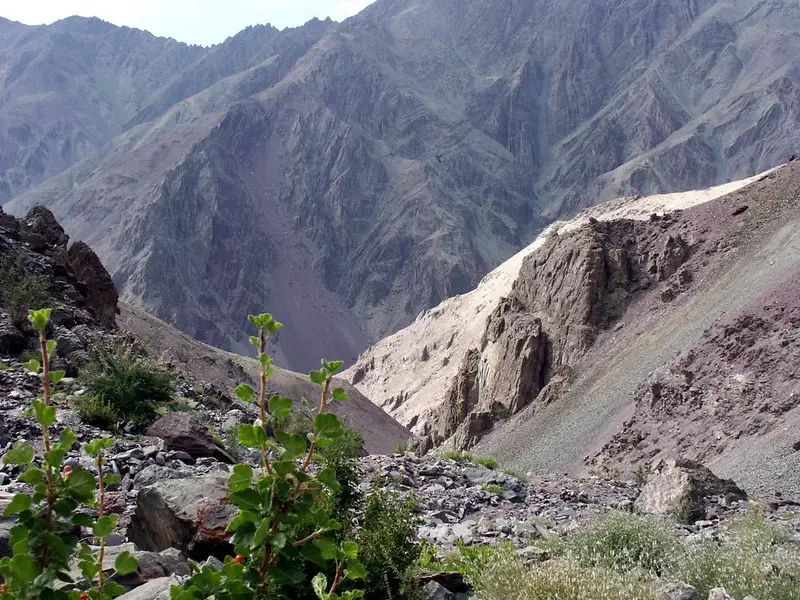
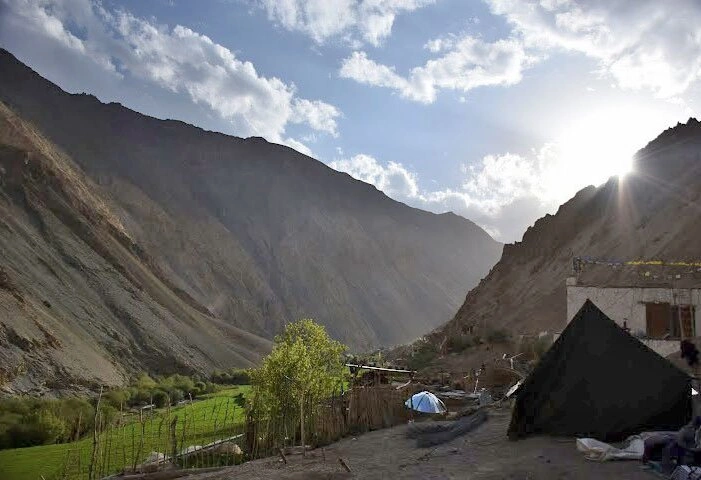
After a scenic drive down the Indus and Zanskar confluence to Chilling, known for its metal artisans, we begin trekking along the Zanskar River. The trail rises steadily from river terraces into drier, stony slopes, ideal for refamiliarizing legs to uneven ground. Expect a mix of flat river-path walking and short ascents; the ground is mostly compacted dirt with occasional scree. Watch for irrigation channels, stone walls, and small herder settlements. You'll notice a clear shift in vegetation: barley patches and willows near riverbanks give way to sparse shrubs on higher slopes.
This day is moderate in effort but important for rhythm - building: maintain a comfortable cadence, take frequent short breaks, and keep to our hydration schedule. Camp at Sanak where the stream's presence brings fresh air and the sound of running water; evenings here are crisp, with spectacular valley light as the sun lowers.
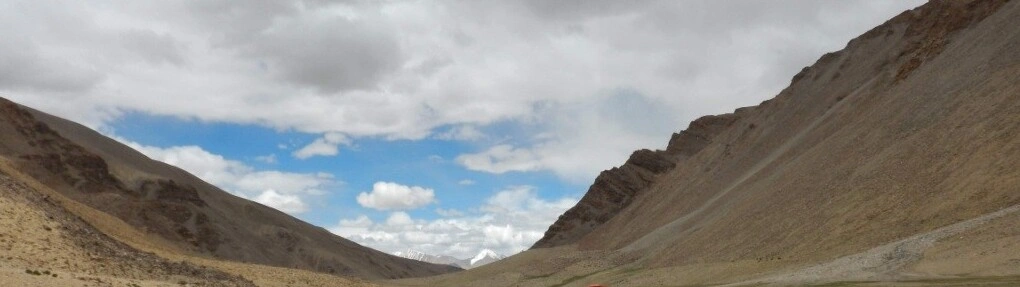
Today is a classic high-pass day: a strenuous ascent to Dungdungchen La, exposure to strong sunlight at altitude, and a long, confidence - building descent into Sumda Chenmo. The climb involves steep switchbacks over mixed scree and compact moraine; trekking poles and steady pacing matter more than speed. Expect a marked reduction in oxygen availability approaching the pass.
From the summit, rewardingly panoramic views open across adjacent ridgelines and distant snowfields. The descent to Sumda Chenmo drops you into a surprisingly verdant valley where barley terraces and village life feel welcoming after a long day. Tonight's campsite is sheltered, offering a chance to stretch legs, eat restorative food, and review tomorrow's route.
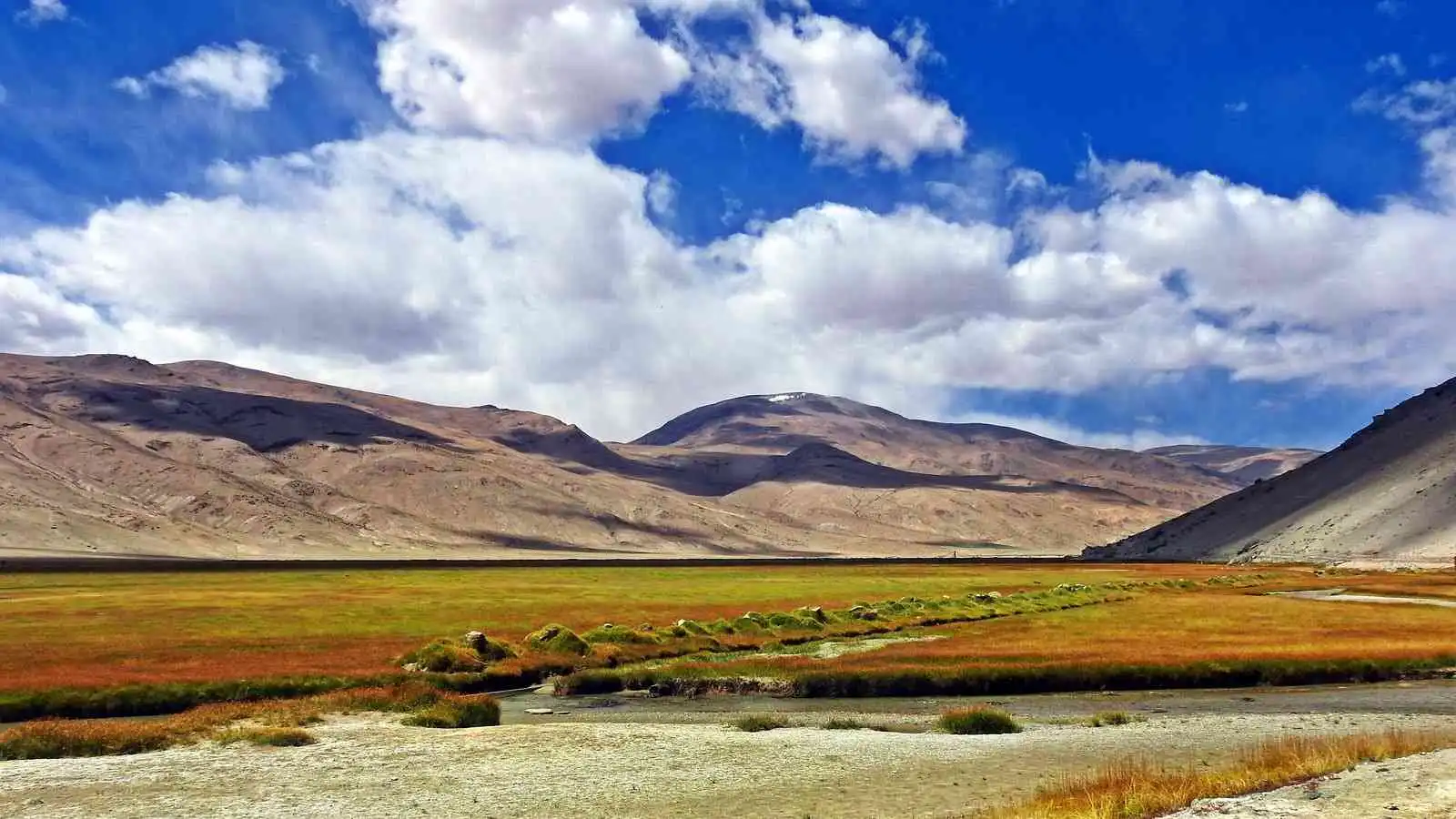
This day moves you higher again through alpine meadows and open plateaus. Expect softer walking in places, grassy terraces, boggy patches fed by melt streams, and short ascents across undulating terrain. The trail is scenic and less technical but still at high altitude, where pacing remains conservative. The stretch toward Changlung passes small water crossings and shepherd shelters, giving authentic insight into transhumant life.
Use this day to practice efficient camp routines, watch for alpine wildflowers, and monitor energy levels - caloric intake must remain steady to sustain performance at these elevations.
A longer, more exposed day featuring the steep climb to Konzke La followed by a long descent to the Hinju area. The approach to Konzke La alternates between rocky slabs and loose scree where careful foot placement is necessary; we recommend micro-steps and using poles to conserve energy. Summit rewards include expansive views across the Ladakh and Zanskar ranges, with visible glacial remnants on higher flanks. The descent is lengthy but easier on the lungs as altitude drops; expect stony moraine and sections of consolidated scree. Hinju's pastoral setting welcomes trekkers with open skies and scattered fields. Ground conditions at camp may be rocky; your guide will advise optimal tent placement. Evening briefings cover nutrition, weather pattern changes, and a practical check of batteries and spare clothing for colder passes ahead.
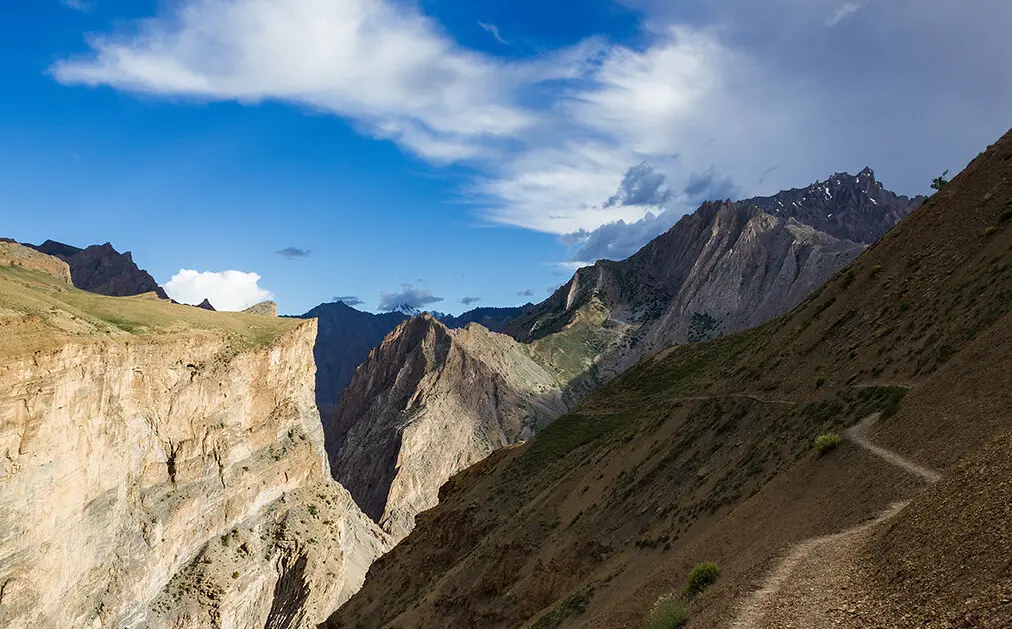
Today's profile features a mid-altitude pass crossing followed by a route into steeper, canyon - like sections. The initial pass is less technical but requires attention on corniced ridgelines and narrow trail edges in wind. After the pass, the trail leads into a more remote canyon area where cliffs rise abruptly and sunlight can be limited in early morning or late afternoon. Trails here are narrower and more single - track than earlier sections; balance and a deliberate cadence matter. The Sumdo Dok campsite sits at the valley floor near water sources and sheltering rocks, offering an evening of quiet reflection and opportunity to observe local rock formations and birdlife.
Descending and then contouring through old agricultural terraces, today's route introduces you to Hanupatta, one of the region's historically significant settlements. Expect a trail that alternates between packed dirt and stone - paved village paths as you move closer to human habitations. The village offers cultural moments: stacked grain stores, prayer flags, and weathered wooden doors. Walking here is slower in parts due to narrow lanes and occasional livestock.
Use this day to engage with locals respectfully; your guide will facilitate introductions and explain cultural dos and don'ts. From a practical standpoint, it's a good day to check footwear, perform small gear repairs, and replenish snacks. Camp nearby with views over terraced plots; evenings often bring a warmer valley microclimate relative to higher camps.
This day eases you back into longer high-altitude walking as the route approaches the base of Sniugutse La. The terrain opens into broad valleys with notable geological changes, layered sediments, glacial outwash plains, and scattered boulders. Trails can be long and exposed to sun and wind; expect broad horizons and potential thermal swings.
Approaching the pass's base, gradients increase, and footing can include loose stone and scree bands. A final camp below Sniugutse La gives valuable rest before summit attempts: use this afternoon to pre-fit crampons or gaiters if necessary, re-evaluate oxygen - conserving techniques, and practice steady, deep breaths.
One of the trek's most demanding and memorable days: an early start, significant altitude gain to Sniugutse La, and a long descent toward the base of another high pass. The climb features steep, rocky sections and possible patches of hard-packed snow depending on season; poles, firm boots, and deliberate steps are imperative. Summit time is often reflective - take photos, hydrate, and descend at a controlled pace to avoid overloading knees. Camp at the base of the unnamed pass in a sheltered spot with dramatic views of surrounding ridgelines and distant glaciers.
This day includes one of the highest altitude transitions on the route. The climb to the unnamed 5,165 m pass is long and requires excellent pacing, consistent hydration, and reserved energy. Trail conditions may vary from solid rock bands to loose moraine; anticipate short sections of route - finding and cautious booting over wind - scoured ridges.
Reaching the high point offers unmatched 360 - degree alpine panoramas, a rare and powerful reward. The day's end places us at Base Camp near 4,930 m, where the terrain flattens into high - altitude basins.
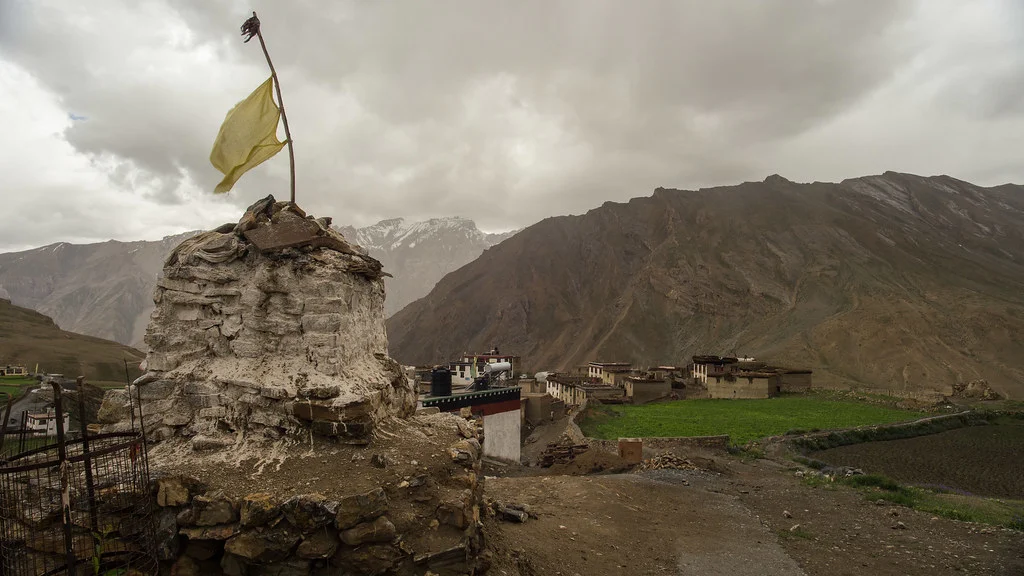
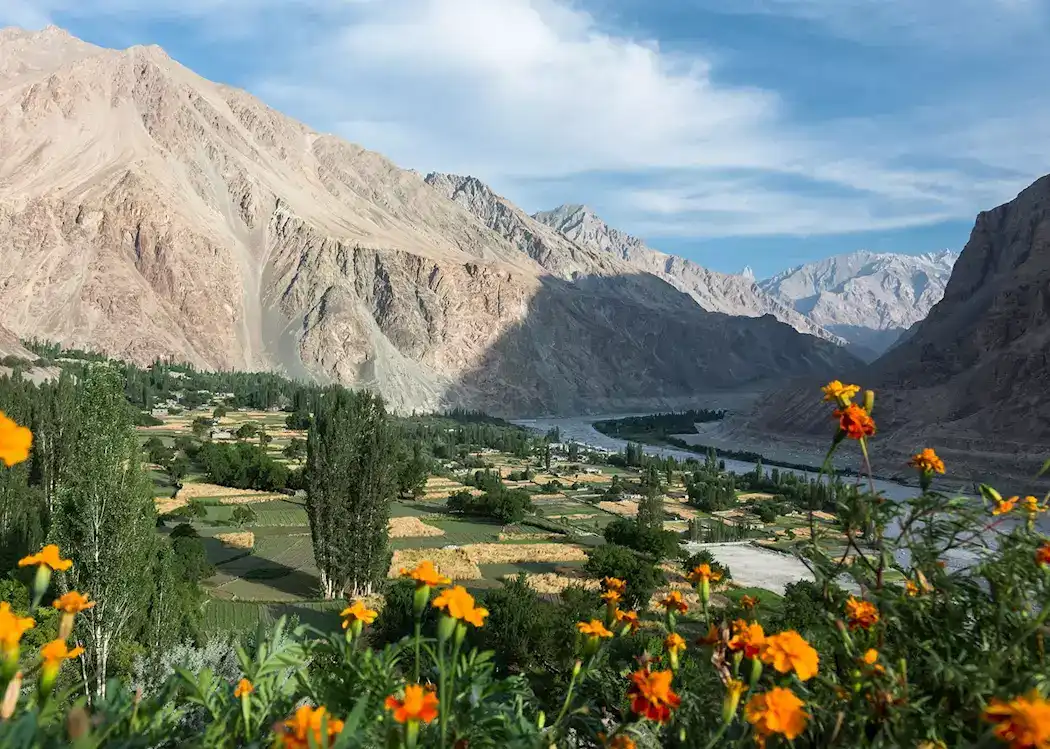
A long, restorative descent leads into Kanji, one of Zanskar's most picturesque agricultural valleys. As you drop in altitude, notice the return of richer air, greener terraces, and more visible human activity. The trail transitions from sparse alpine rock to cultivated fields framed by tall peaks. Kanji's village architecture, with stacked stone houses and small courtyards, is an excellent place to observe traditional Ladakhi farming and food storage techniques. Camp in a sheltered spot near village edges; consider an organized cultural exchange if the community permits. This evening is perfect for music, conversation, and reflecting on the high passes you've crossed.
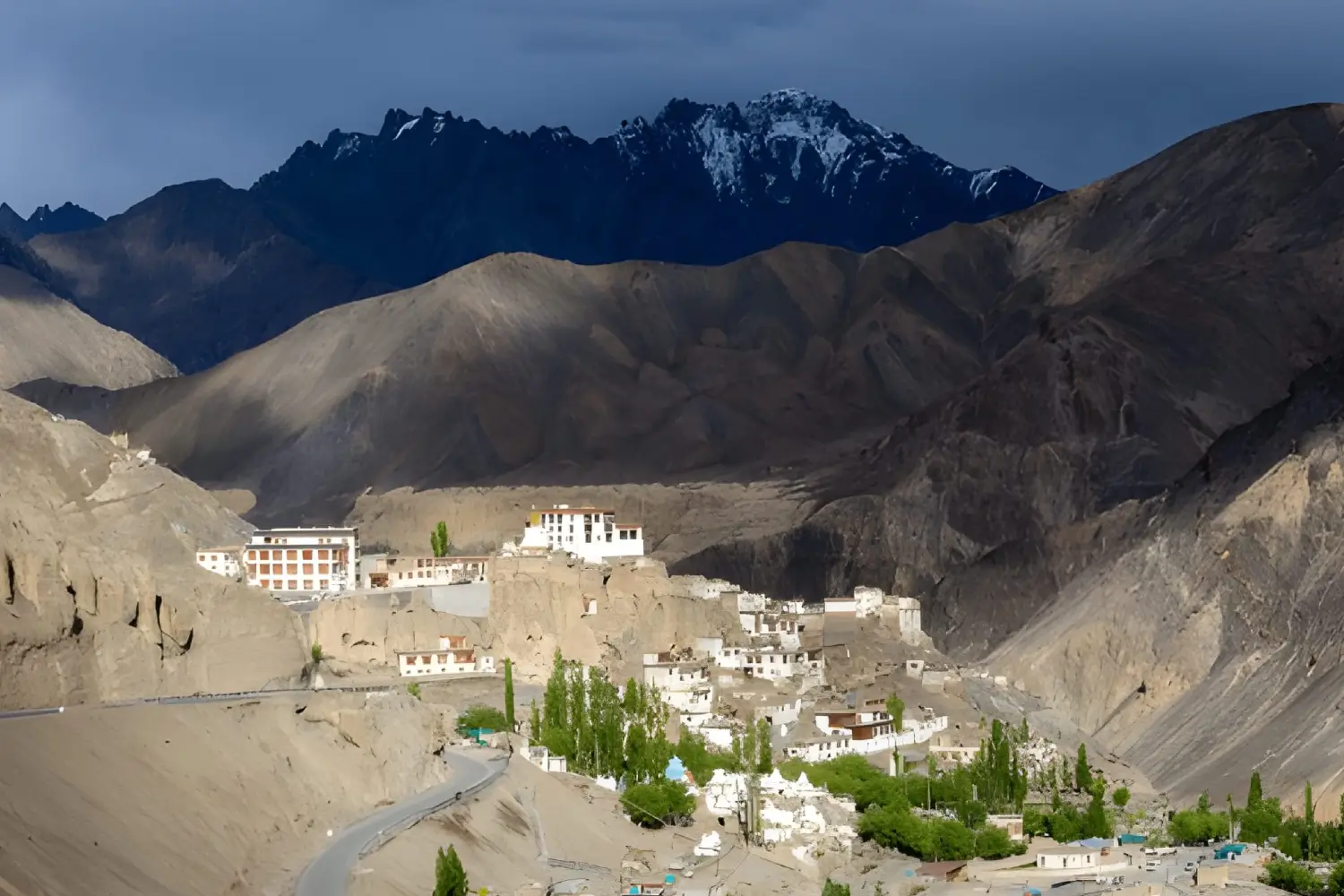
After packing and a morning transfer, the drive back to Leh takes you past Lamayuru and Alchi - two of Ladakh's most photographer - friendly monastery sites. Lamayuru sits on sculpted, moon-like cliffs, offering dramatic landscape photography, while Alchi presents delicate 11th - century Kashmiri - influenced murals and woodwork. The road journey is a mix of mountain passes, desert - like plateaus, and sudden riverine green pockets; it's a visual summary of Ladakh's geological diversity. Expect a day of moderate driving with short stops for exploration, photography, and lunch.
Arrive in Leh by late afternoon for a comfortable night at your guesthouse. Use the evening to stretch, launder key clothing, and enjoy a relaxed meal in one of Leh's cafés.
This flexible day is for rest, light exploration, and recovery. Wander local markets for handicrafts, visit additional gompas or viewpoints, or simply lounge with a warm drink while processing the trek's experience. In the evening we'll hold a short debrief: sharing trip memories, photos, and suggestions for returning travelers.
A short morning transfer to Leh airport brings the trek to a formal close. On arrival in Delhi, normal oxygen levels and busy city energy will feel immediately different - plan a restful first day in the city or a recovery day at home.
Join TrekkingInIndia.com for an unforgettable Himalayan journey through stunning mountains, peaceful valleys, and rich local culture.
 moderate
11 Days
|Ladakh
The Trek to Markha Valley in Ladakh is one of the most spectacular alpine adventures in the Indian Himalayas, combining dramatic landscapes, vibrant culture, and high-altitude thrills.
Starting from USD 885 / Per person
 moderate
13 Days
|Ladakh
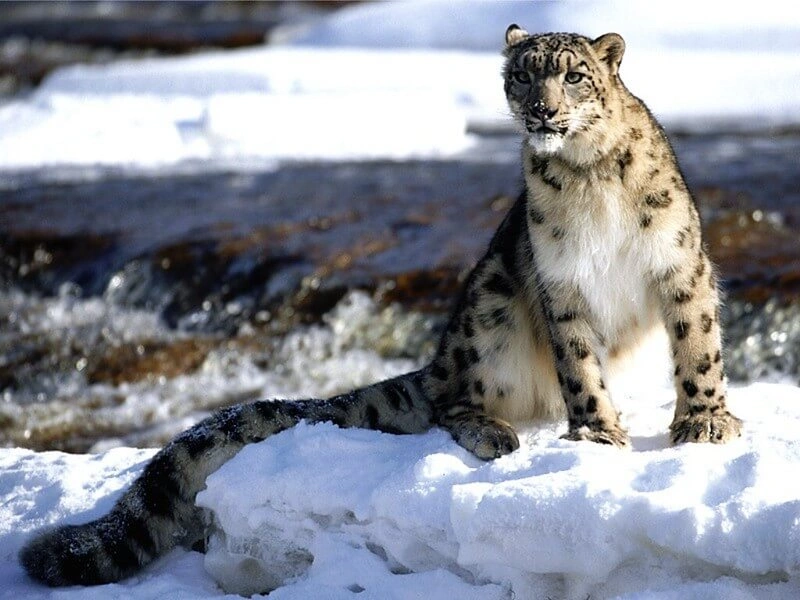
Explore one of India's most thrilling wildlife adventures with this Snow Leopard Trekking Tour through Hemis National Park.
Starting from USD 1885 / Per person
 easy
easy07 Days
|Ladakh
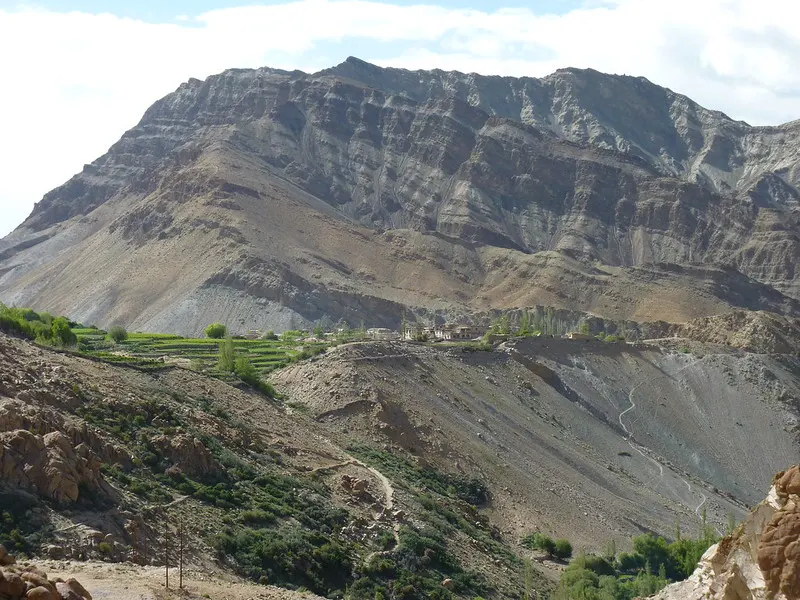
Possibly one of the easiest treks in the Ladakh region, the Sham Valley Trek captivates the heart and soul with its unique blend of natural beauty and rich culture.
Starting from USD 535 / Per person