10 Trekking Routes in Himachal Pradesh That Still Feel Earned
Himachal Pradesh rewards people who move through it slowly, on foot, with time. Roads stop early here. After that, the mountains decide the pace. Treks in this region do not announce themselves loudly; they unfold over days, through changing terrain, weather, and villages that exist because trade routes once demanded them.
What makes Himachal distinct from other Himalayan regions is variety within short distances. Forests turn to scree. Green valleys open into cold deserts. Shepherd trails overlap with pilgrim paths and colonial - era crossings. Many of these routes remain unchanged in purpose even today.
Together, these trails represent some of the most enduring and respected treks in Himachal Pradesh, shaped by geography, history, and long - distance movement through the western Himalayas.
Below are ten trekking routes that continue to define Himachal Pradesh for walkers from across the world.
Indrahar Pass Trek
- Location : District Kangra
- Duration : 05 - 06 Days
- Grade : Easy
- Best time to visit : Mid May - October
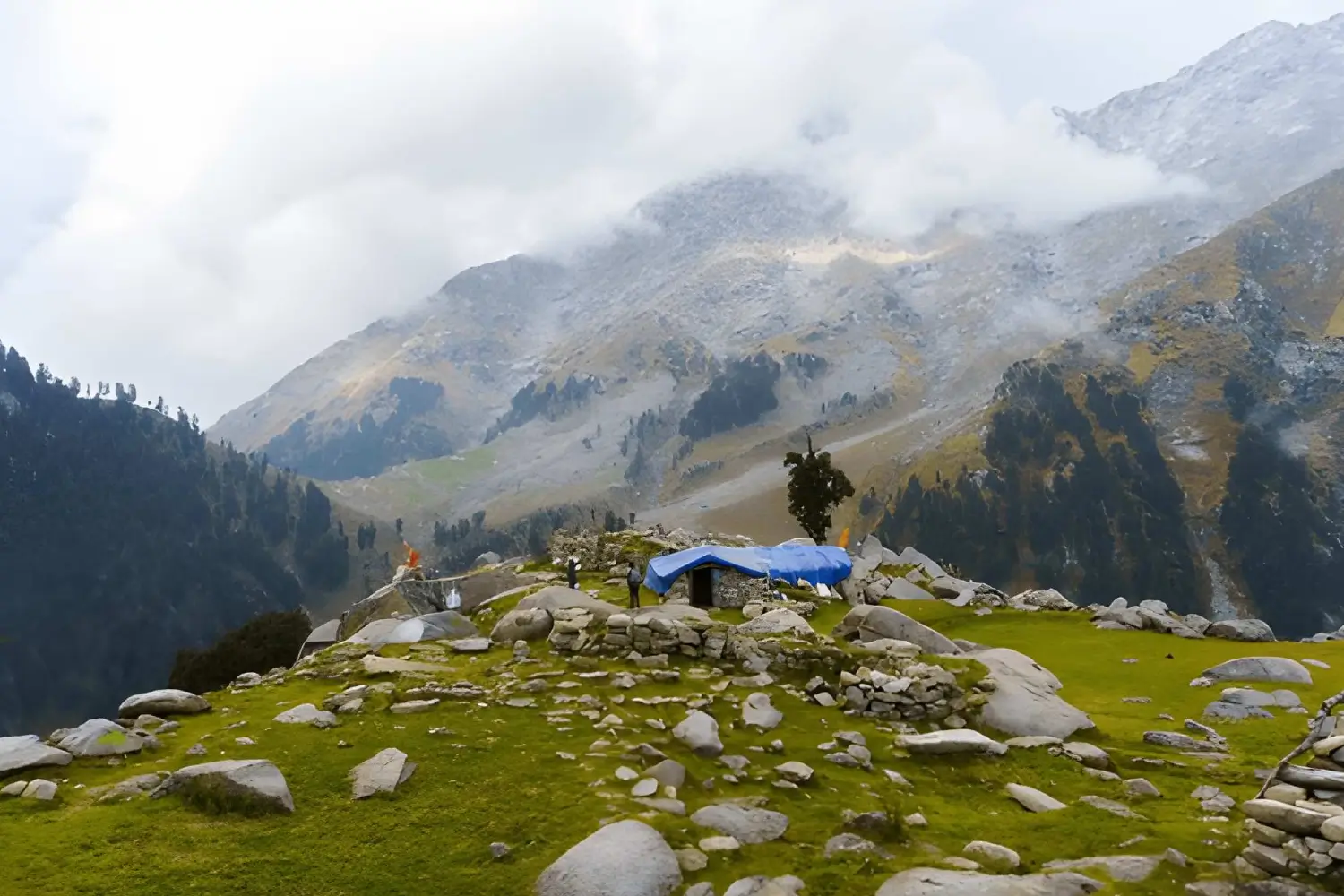
Indrahar Pass rises sharply above the Kangra Valley, forming a direct crossing into the higher reaches of the Dhauladhar range. The approach begins near McLeod Ganj and climbs steadily past Triund, a familiar stop for many, before thinning into exposed ridgelines and rocky ascents.
At the top, the land opens dramatically. On clear days, Manimahesh Kailash appears in the distance, revered and unmistakable. This route has long been used by Gaddi shepherds moving livestock toward summer grazing grounds, and their presence still shapes the trail. Stone shelters, worn paths, and grazing clearings tell that story better than any marker.
Indrahar works well for trekkers looking to understand Himalayan altitude without committing to long expeditions.
- June to September : Main trekking season
- July - August : Best weather, higher footfall
- September : Clear skies, fewer crowds
- October to May : Most routes closed due to snow and cold
Beas Kund Trek
- Location : Manali
- Duration : 07 - 09 Days
- Grade : Easy
- Best time to visit : April - November
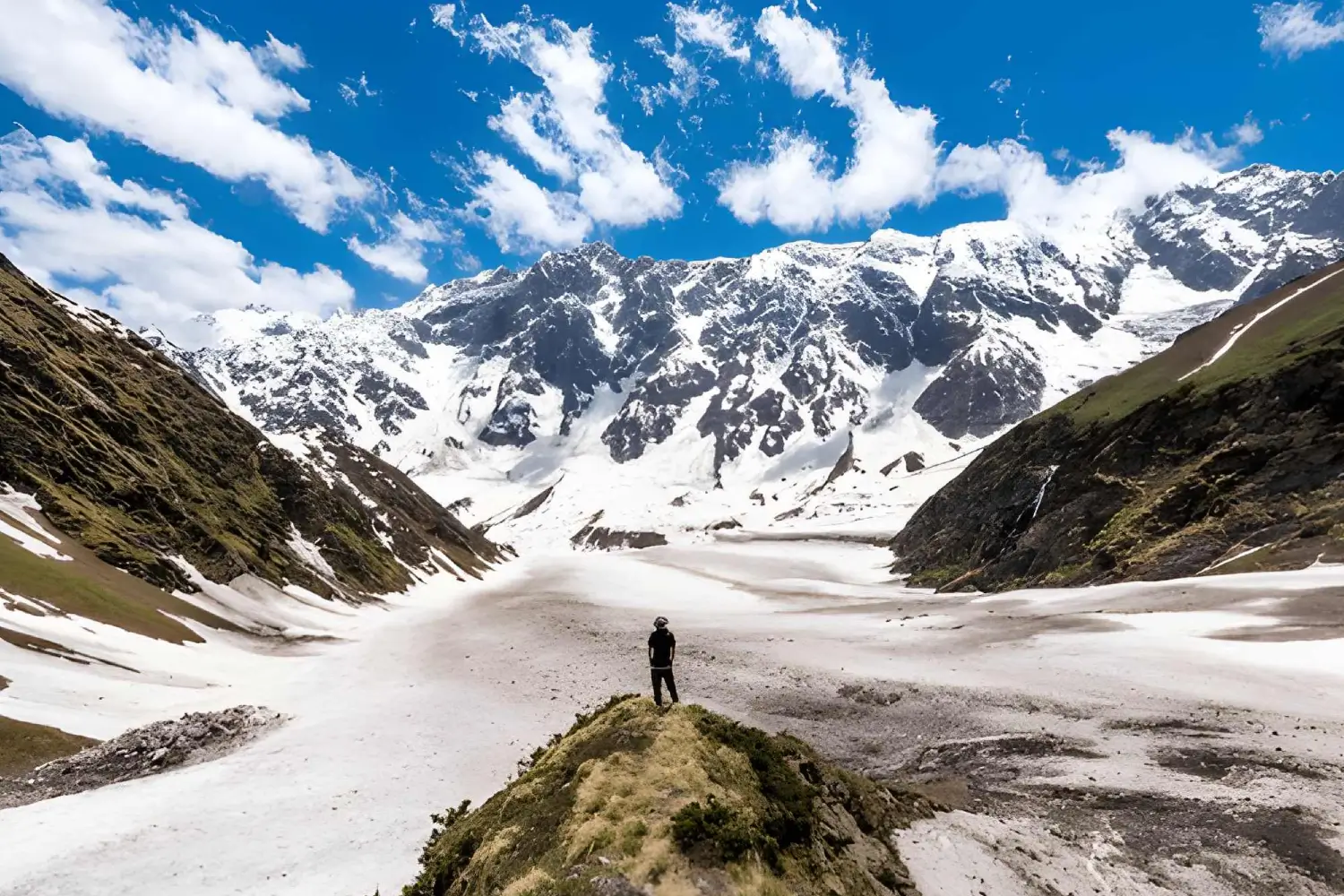
Beas Kund sits quietly at the head of a glacier above Manali, marking the origin of the Beas River. The trail follows the river's earliest movement, beginning in wide meadows near Solang and narrowing as it approaches snowfields and rock.
The walking here feels open and steady. Peaks like Hanuman Tibba dominate the skyline, grounding the journey in scale without overwhelming it. Beas Kund often becomes a first high - altitude trekking experience for international travellers, largely because the terrain teaches patience rather than testing limits.
The sense of arrival is subtle. There is no dramatic viewpoint, only the realization that this small glacial bowl feeds a river that sustains an entire valley below.
Chandratal to Baralacha Trek
- Location : Manali
- Duration : 11 Days
- Grade : Moderate
- Best time to visit : July to mid Oct
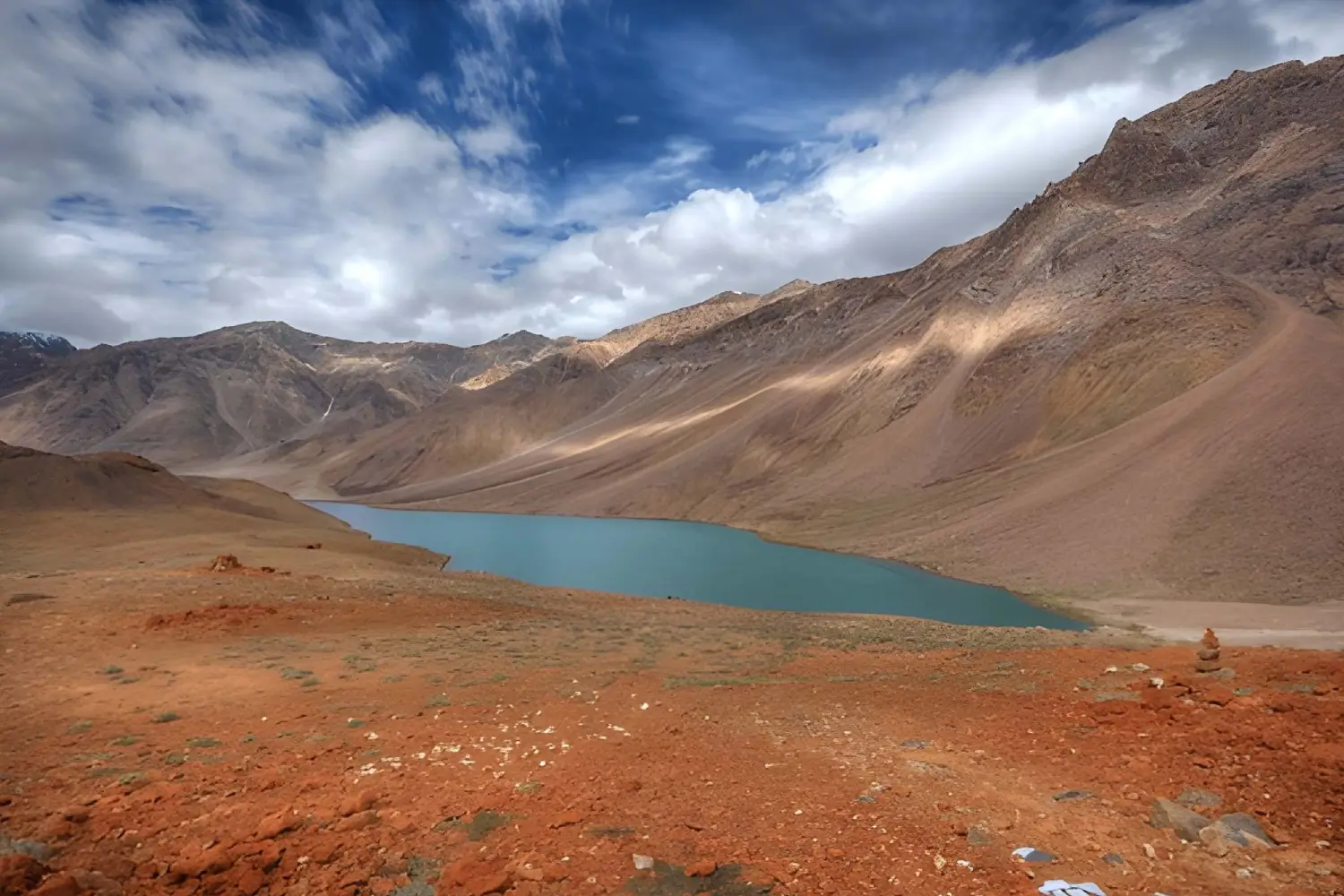
This trek in Himachal enters a different Himachal altogether. Past Rohtang, vegetation thins and the land becomes sharper and quieter. Chandratal sits in a basin shaped by wind and ice, reflecting light differently at every hour.
The walk from Chandratal toward Baralacha Pass crosses open plateaus, glacial streams, and long stretches where nothing interrupts the horizon. Peaks like Talagiri and Mulkila appear close yet remain unreachable, reinforcing the scale of the region.
Baralacha has long functioned as a junction between Lahaul, Ladakh, and Spiti. Walking here feels less like trekking and more like tracing geography itself.
Hampta Pass Trek
- Location : Manali
- Duration : 12 - 15 Days
- Grade : Moderate
- Best time to visit : May - October
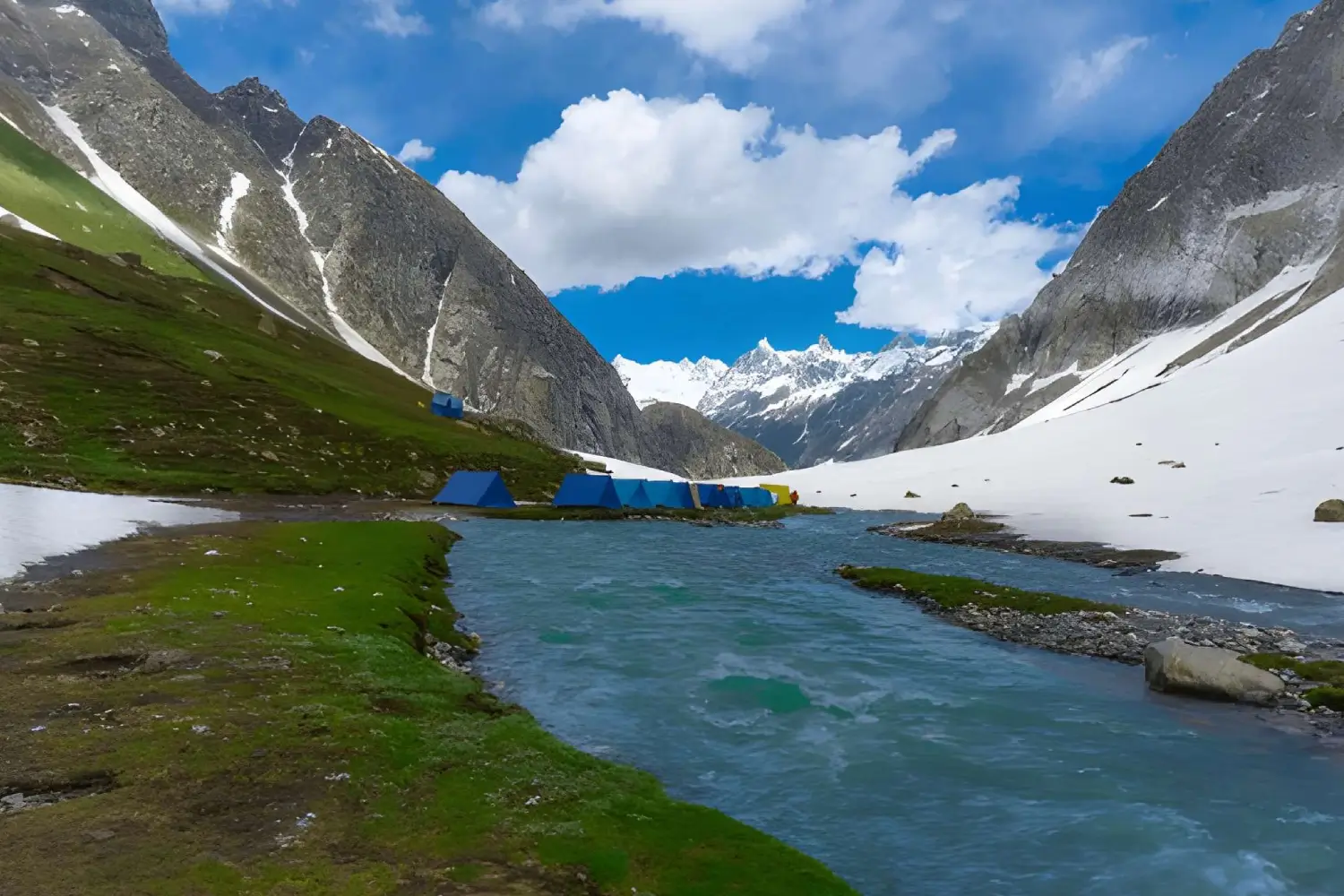
Hampta Pass compresses contrasts into a short distance. The trek begins among pine forests and small settlements near Manali, then climbs through grassy camps and river crossings before reaching a pass that drops suddenly into Lahaul's dry, expansive terrain.
The shift after the pass is immediate and disorienting in the best way. Green slopes give way to rock, wind, and wide skies. Hampta remains popular because it delivers this transition without excessive technical difficulty, making it one of the clearest introductions to Trans - Himalayan geography.
Pin Parvati Pass Trek
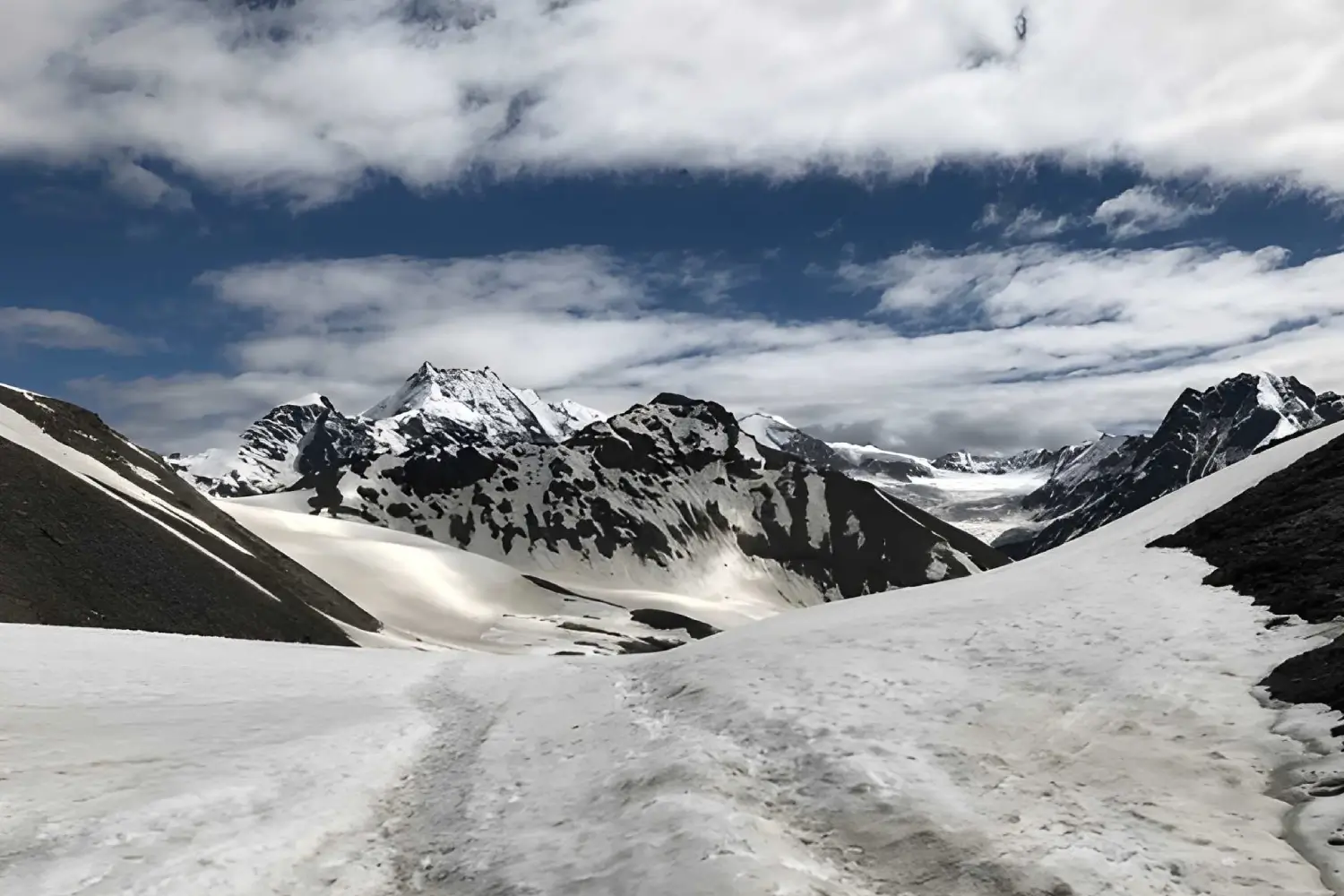
- Location : Kullu
- Duration : 15 - 17 Days
- Grade : Moderate
- Best time to visit : July - September
Pin Parvati is a commitment. The trek demands time, stamina, and preparation. Beginning in the Parvati Valley, the route moves through forests, hot spring zones near Kheerganga, and steadily into glacier - fed valleys.
Crossing the pass places the trekker into Spiti's cold desert environment, where villages feel sparse and distances stretch. Historically, this route linked trading communities long before roads reached either side. Weather can change abruptly here, reinforcing why this crossing was respected and feared. Those who complete it rarely speak about the difficulty first. They speak about the silence.
Deo Tibba Base Camp Trek
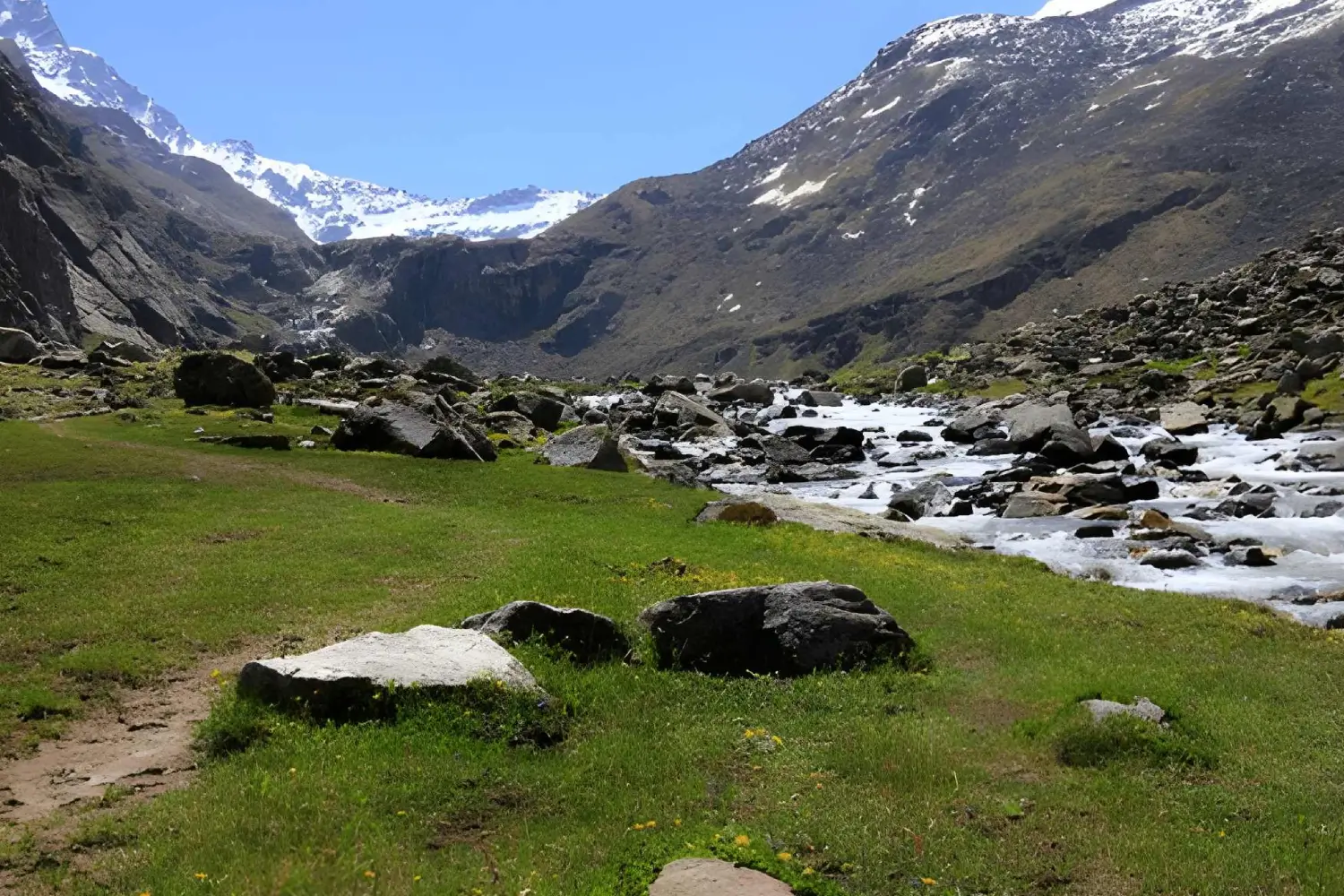
- Location : Kullu - Manali
- Duration : 13 Days
- Grade : Moderate
- Best time to visit : Mid - June to Early October
Deo Tibba rises above the Beas Valley as a constant presence throughout this trek. The trail moves through cultivated fields and high meadows before settling near the base of surrounding glaciers.
Unlike summit - focused routes, this trek in Himachal Pradesh emphasizes proximity rather than conquest. The mountain stays just beyond reach, its face changing color through the day. Views of Indrasan and surrounding peaks deepen the sense of being enclosed within a high alpine bowl. For trekkers interested in long camps and sustained mountain views, this route offers depth without extreme exposure.
Kareri Lake Trek
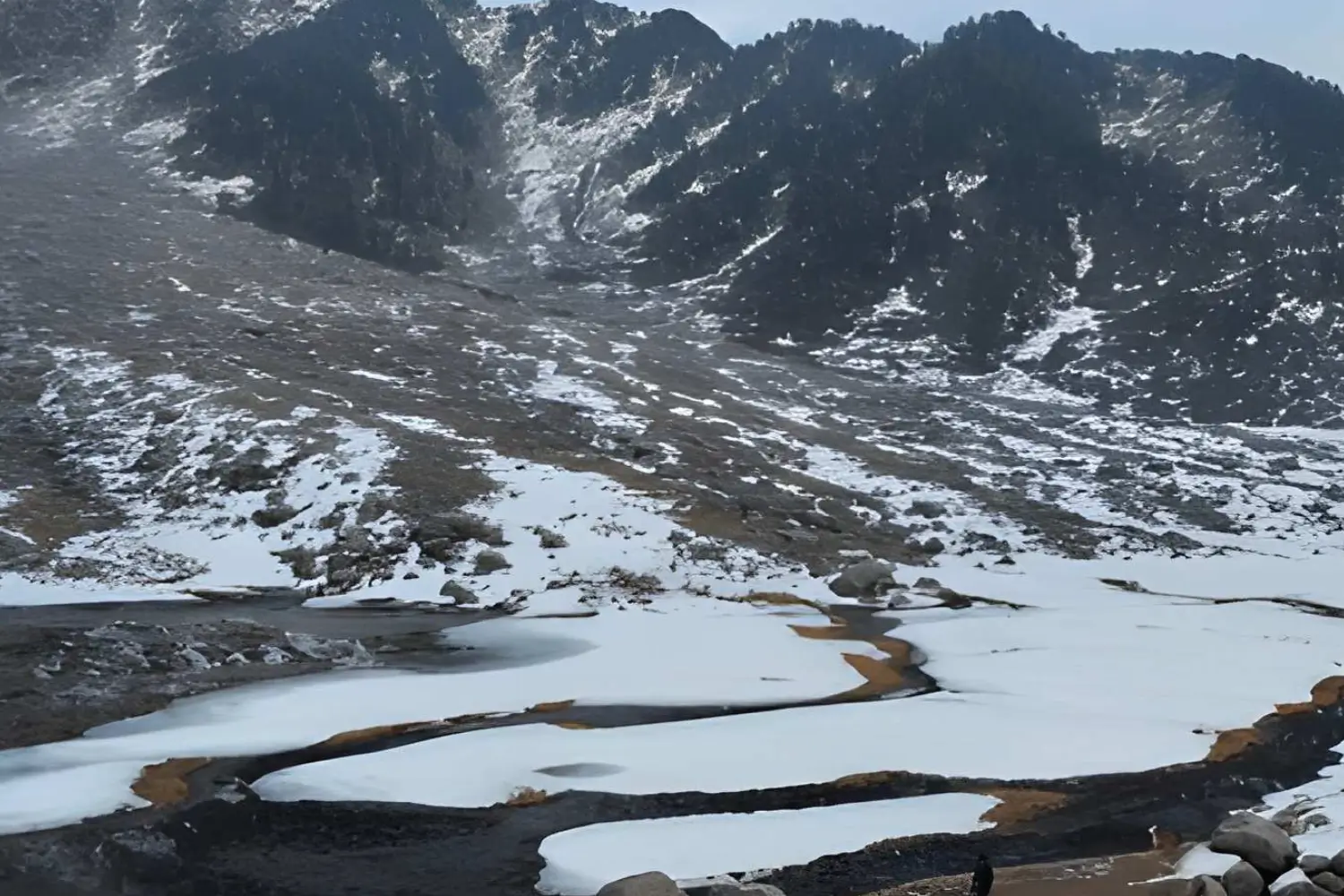
- Location : Dharamshala
- Duration : 12 Days
- Grade : Moderate
- Best time to visit : May - June & September-October
Starting near McLeod Ganj, the Kareri Lake trek follows forest paths and village trails shaped by daily use rather than tourism. Shepherd huts and grazing grounds appear frequently. The lake itself sits beneath the Dhauladhar wall, fed by snowmelt and guarded by a small temple. Mornings here feel intimate. Wind moves across the water, and clouds pass quickly over the ridges. This trek suits travelers who value rhythm and human presence as much as altitude.
Shepherd Trail (Gaddi Trek)
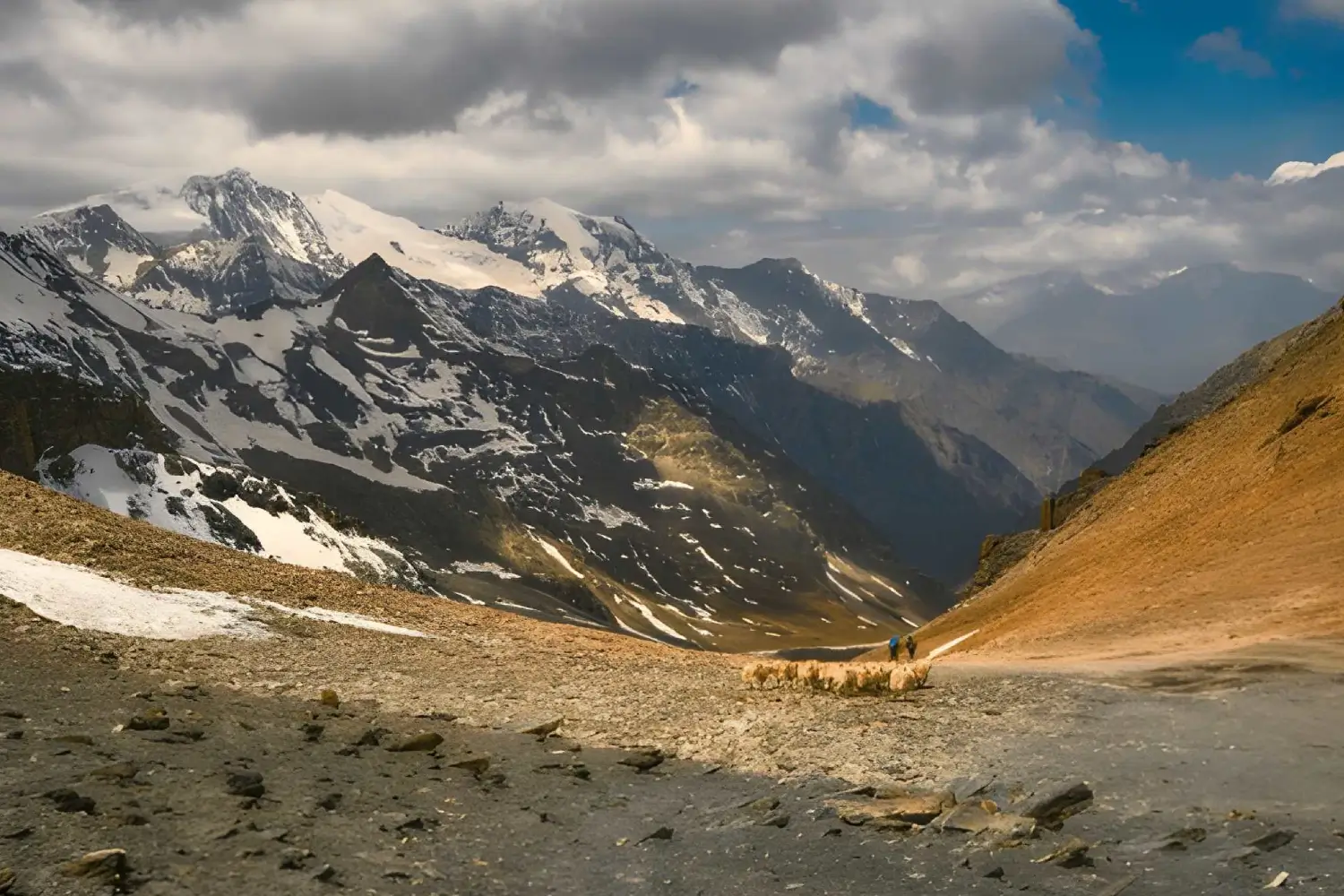
- Location : Kullu & Kangra
- Duration : 18 Days
- Grade : Challenging
- Best time to visit : August - October
The Gaddi Trail traces the seasonal movement of pastoral communities across Kangra and Kullu. It is long, isolated, and physically demanding. High passes like Thamsar form natural barriers that shape the journey.
Days here are repetitive by design. Walk, climb, descend, camp. Over time, patterns emerge: grazing cycles, weather rhythms, and animal movement. Few routes in Himachal offer such sustained immersion into living mountain culture. This lesser - known trek in Himachal favors experience over spectacle.
Bara Bhangal Trek
- Location : Bharmour
- Duration : 17 Days
- Grade : Challenging
- Best time to visit : May to September
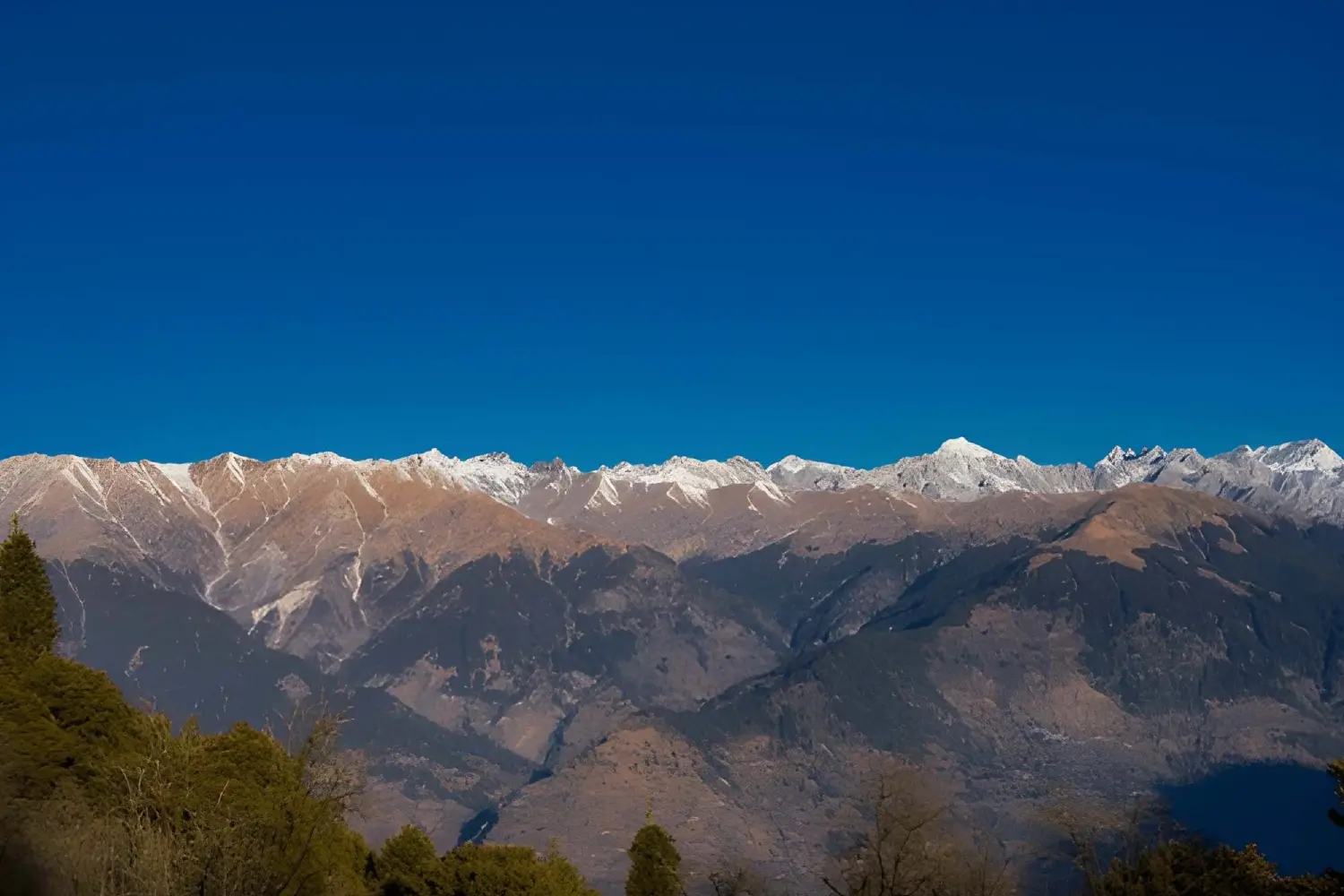
Bara Bhangal remains one of the most isolated villages in Himachal, reachable only by crossing high passes. The approach demands sustained effort through river valleys, forests, and exposed sections. The settlement itself feels preserved by geography. Peaks such as Deo Tibba and Indrasan dominate the skyline, reinforcing how enclosed the region is. Trekkers who reach Bara Bhangal often describe the journey as transformative rather than visually driven.
Bhabha Pass Trek
- Location : Kinnaur
- Duration : 20 Days
- Grade : Challenging
- Best time to visit : July to September
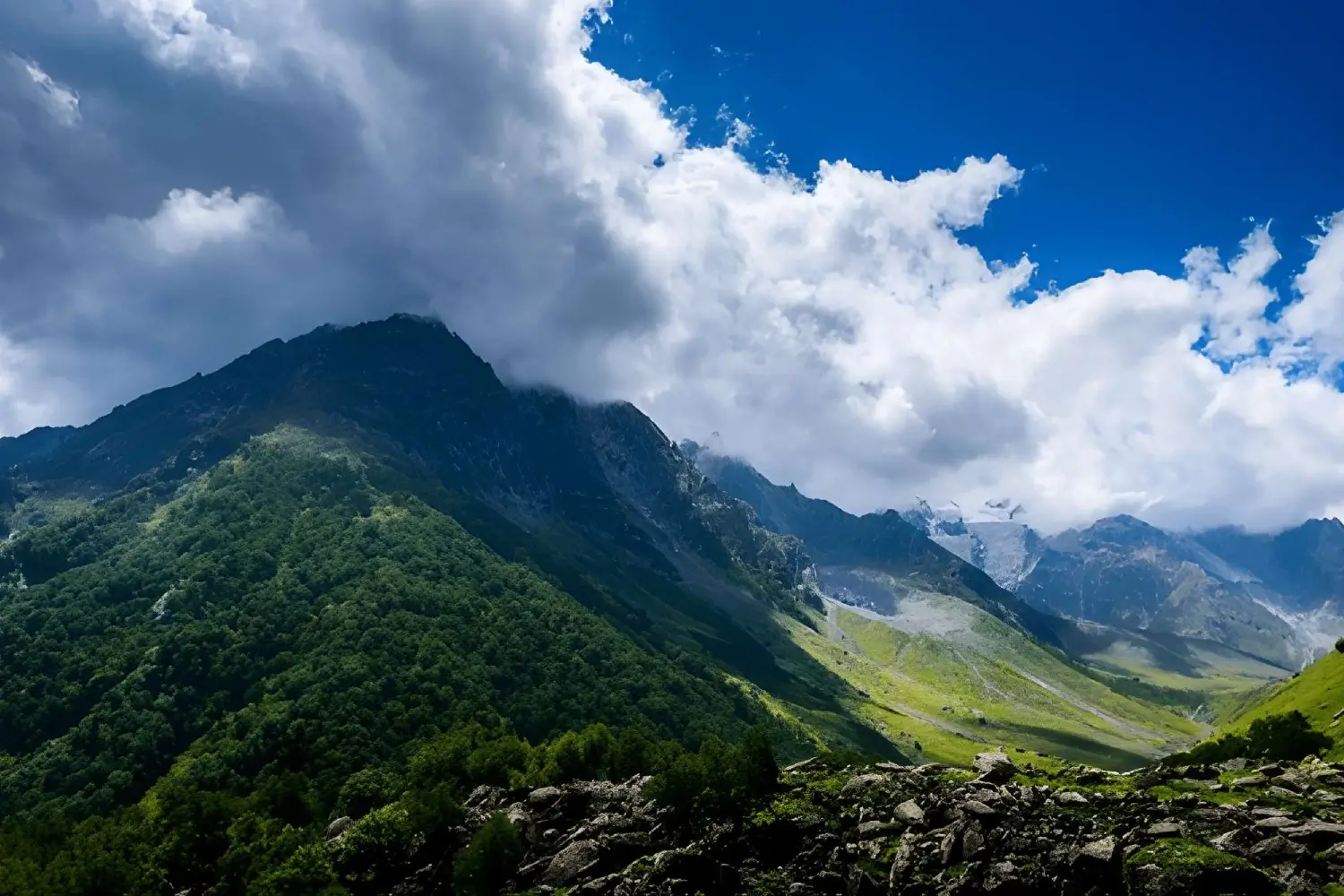
Bhabha Pass links Kinnaur's green lower valleys with the stark terrain of Spiti. The route moves past monasteries, cultivated fields, and glacial crossings before reaching the pass. Descending into Spiti introduces a slower pace of life shaped by altitude and scarcity. Architecture changes. Colors fade. Distances feel longer. This crossover trek in Himachal works as a cultural and geographic crossing more than a physical challenge alone.
Why These Treks Matter ?
Himachal's trekking routes remain relevant because they were never designed for recreation alone. Trade, migration, worship, and survival shaped these paths long before trekking became a pursuit. Walking them today offers perspective. Not just of mountains, but of how people learned to live among them.
These trekking routes in Himachal Pradesh continue to matter because they were shaped by necessity long before they became walking trails. For those willing to move at a mountain pace, Himachal offers trekking routes that still demand patience, respect, and attention.
About Arun Joshi
A thoroughbred adventurer, Arun Joshi was born in the picturesque and landlocked district of Chamoli, Uttarakhand. He is well known for his close association with the Indian Himalayas for the past 16 years, and knows the region inside out. His vast knowledge and first-hand experience of trekking to the many challenging regions of the Indian Himalayas have also helped him to establish himself as the go-to guide in the region.
Recent Posts
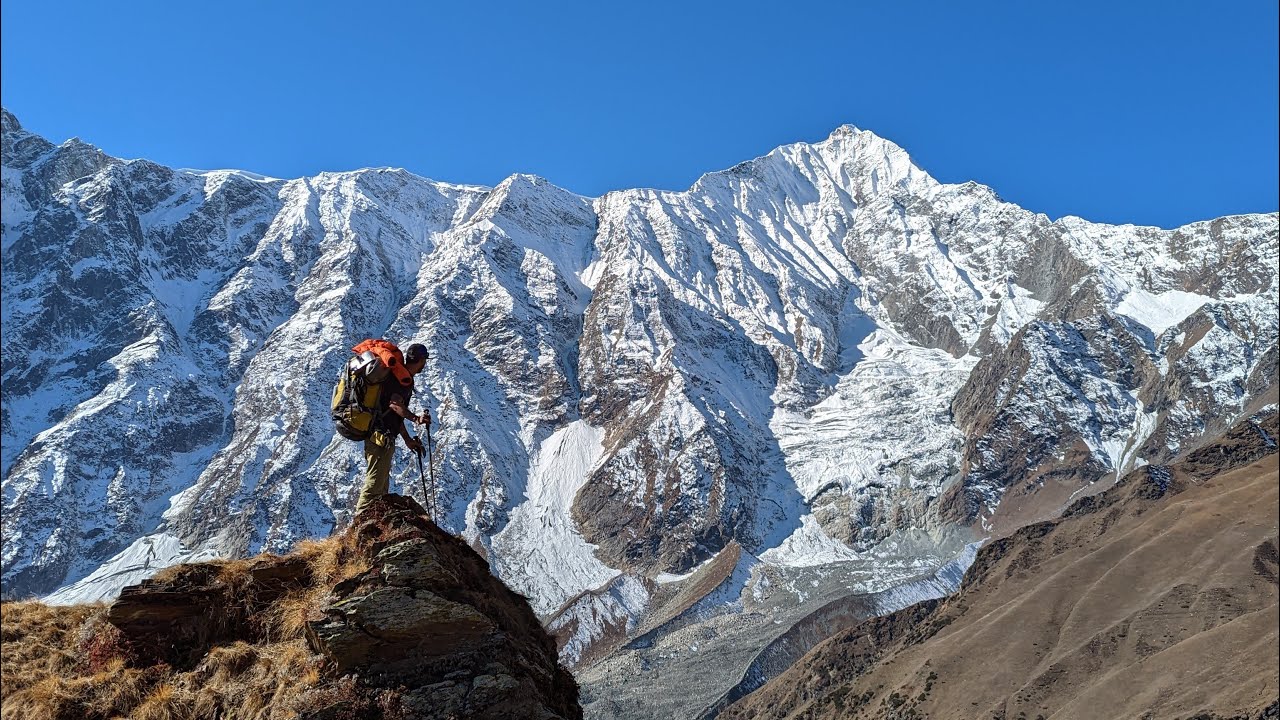
5 Guided Treks in Uttarakhand to Try This Winter from January to March 2026
Feb 22, 2026
Famous Treks for Photography in the Indian Himalayas : A Visual Journey
Feb 10, 2026
15 Best Treks in Indian Himalaya for June and July
Jan 30, 2026
Top Treks in Sikkim To Make Your Summer 2026 Adventuresome
Jan 28, 2026
8 Best Monsoon Treks in the Indian Himalayas that You Must Do in 2026
Jan 15, 2026
Most Popular
8 Best Monsoon Treks in the Indian Himalayas that You Must Do in 2026
Jan 15, 2026
0 views
Top Treks in Sikkim To Make Your Summer 2026 Adventuresome
Jan 28, 2026
0 views
Famous Treks for Photography in the Indian Himalayas : A Visual Journey
Feb 10, 2026
0 views
5 Guided Treks in Uttarakhand to Try This Winter from January to March 2026
Feb 22, 2026
0 views
15 Best Treks in Indian Himalaya for June and July
Jan 30, 2026
0 views
Ultimate Himalayan Trekking Adventures Await
Join TrekkingInIndia.com for an unforgettable Himalayan journey through stunning mountains, peaceful valleys, and rich local culture.